In the world of indoor gardening, optimizing plant growth is a top priority for many hobbyists and professionals alike. Proper lighting plays a crucial role in this process. According to the National Gardening Association, 80% of indoor plants thrive better with artificial light. This highlights the significance of understanding how to automate indoor garden lighting.
Automating your indoor garden lighting can greatly improve the health and yield of your plants. A study by the University of Vermont found that automated systems can enhance growth rates by up to 30%. This is a clear indication of the potential benefits. However, it’s essential to recognize that not all lighting solutions are equal. Improper setups can lead to overexposure or inadequate light, which are common pitfalls for indoor gardeners.
Through smart schedules and advanced technology, growers can tailor light exposure to each plant's specific needs. Nonetheless, many enthusiasts struggle to find the right balance. Factors like plant type, growth stage, and seasonal changes all impact lighting requirements. Therefore, understanding how to automate indoor garden lighting effectively is both a science and an art.
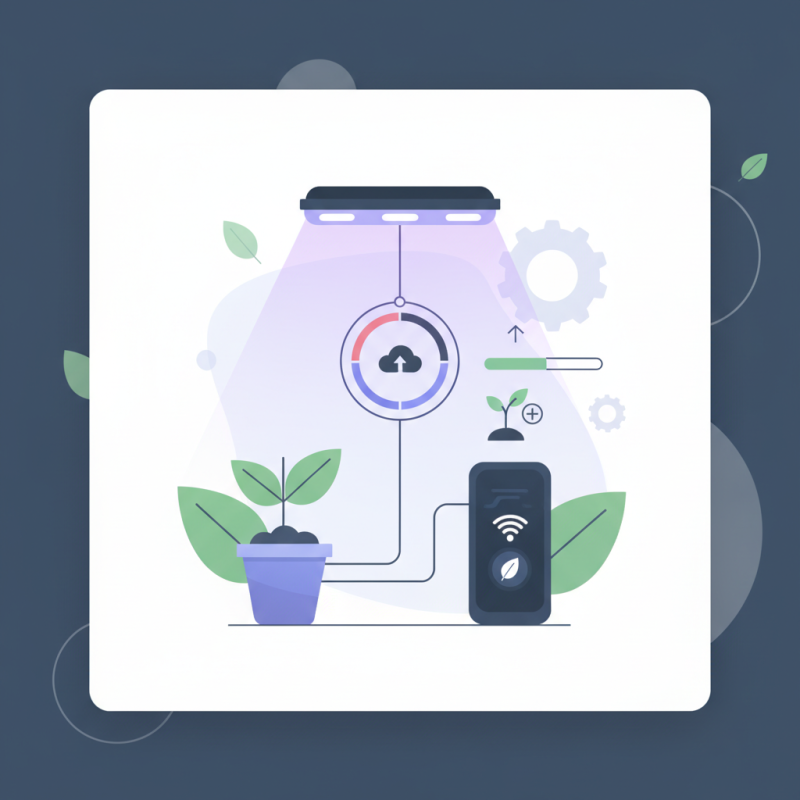
Indoor garden lighting plays a crucial role in plant growth. Plants require specific light wavelengths for photosynthesis. Without adequate light, growth can stagnate. Poor lighting can lead to weak stems and pale leaves. Understanding these needs is essential for indoor gardening success.
Different plants have varying light requirements. For example, herbs thrive in bright light, while ferns prefer low light. Not all indoor spaces offer sufficient natural light. Using artificial lighting can help bridge this gap. It’s important to position lights correctly. The distance from plants can affect their growth. Too close, and plants might burn; too far, and they might not receive enough light.
Experimentation is often needed. Adjusting the duration and intensity of light can impact growth. Some may find that certain setups yield better results than others. Keeping a garden journal can help track these changes. Reflecting on these observations will lead to better lighting strategies as you learn what works for your specific plants.
: Indoor garden lighting aids photosynthesis, crucial for healthy growth. Without enough light, plants may stagnate.
No, different plants have varying light needs. Herbs often require bright light, while ferns thrive in low light.
Proper positioning is key. Lights too close may burn plants; too far may not provide adequate light.
LED grow lights are energy-efficient and versatile. Fluorescent lights are cheaper but better for seedlings and greens.
Plants typically need 12 to 16 hours of light daily. This can vary based on plant type.
Yes, using a programmable timer helps maintain consistent light cycles, which benefits plant health.
Observe plants; if they stretch toward lights, they likely need more intensity.
Seasonal changes may reduce natural light, requiring supplemental lighting to meet growth needs in winter.
Relying solely on one spectrum can lead to growth imbalances. A mix is usually better.
Leggy plants often indicate insufficient light. Reassess your lighting strategy and make necessary adjustments.
In the article titled "How to Automate Indoor Garden Lighting for Optimal Growth," the significance of proper lighting for plant development is emphasized. Understanding the specific light requirements is crucial for nurturing healthy indoor gardens. By choosing the right type of grow lights, gardeners can enhance photosynthesis and contribute to optimal growth conditions.
The article further explores how to automate indoor garden lighting effectively by setting appropriate lighting schedules, considering both duration and intensity. Integrating smart technology allows for automated control of the lighting environment, making it easier to maintain ideal conditions. Additionally, monitoring and adjusting lighting parameters ensures continuous adaptation to the plants' needs, promoting robust plant health and growth. This comprehensive guide helps indoor gardeners create the perfect light setting for thriving plants.

 Enova Lighting