What Are the Benefits of China Best Full Spectrum Lighting?

Time:2026-10-24 Author:Amelia
0%

When evaluating China’s best full spectrum lighting, buyers need more than attractive product photos. They need measurable performance, consistent manufacturing, and clear technical documentation. In practice, a reliable fixture should provide balanced wavelengths across visible light, stable output, and suitable color rendering. The phrase “What are the benefits of full spectrum lighting” deserves a practical answer, not a marketing promise.

Full spectrum systems can create more natural-looking illumination for homes, offices, studios, and indoor growing spaces. High color rendering helps reveal accurate skin tones, fabric colors, plant details, and surface defects. For horticulture, an appropriate spectrum may support photosynthesis throughout different growth stages. However, spectrum alone does not guarantee healthy plants. Intensity, photoperiod, heat management, and distance also matter.

Quality Chinese lighting manufacturers often offer customized wattage, housing designs, control systems, and color temperatures. Experienced suppliers should provide test reports, electrical safety information, LED brand details, and warranty terms. Buyers should also examine CRI, flicker performance, thermal design, and power efficiency. These details often matter more than impressive brightness claims.

There is no universal best lamp.

A daylight-balanced fixture may suit a workspace, while a grow light needs carefully selected intensity and spectral distribution. Some products labeled “full spectrum” may deliver uneven output or vague specifications. Independent testing is preferable. My assessment would remain cautious without verified data, real installation results, and long-term reliability records. The strongest choice combines suitable spectrum, safe construction, documented testing, and support from a manufacturer with proven experience.
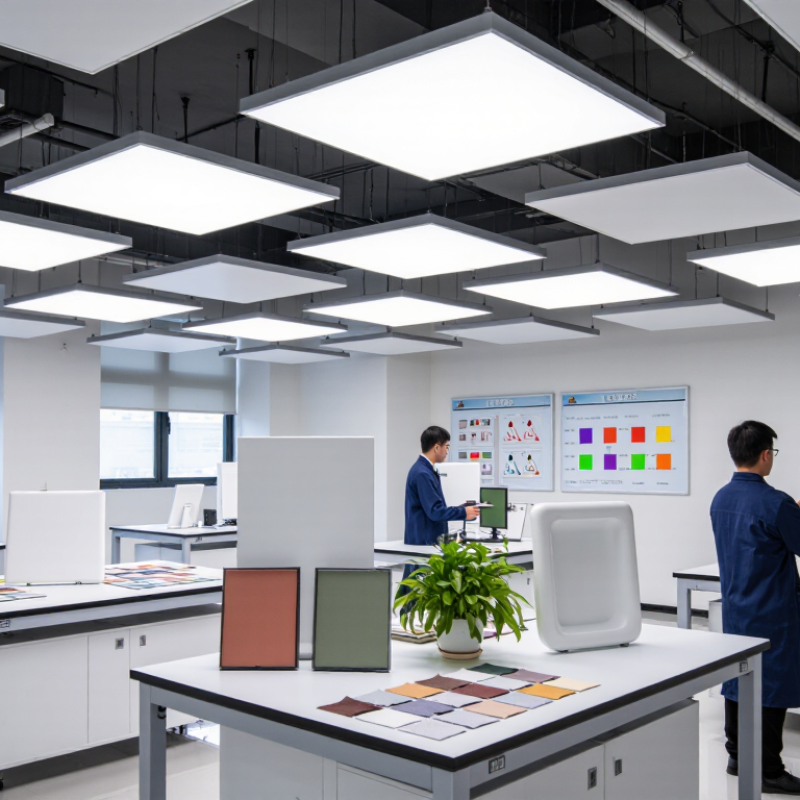
What Are the Benefits of China Best Full Spectrum Lighting?

What Is China Best Full Spectrum Lighting?

China best full spectrum lighting refers to LED fixtures manufactured in China that produce a broad, daylight-like spectrum across visible wavelengths. The term does not mean every wavelength has equal energy. Quality depends on spectral distribution, color rendering, flicker, thermal control, and measured lifetime. A high CRI, often 90 or above, can improve color recognition, but CRI alone is not enough. CIE 13.3 explains that general color rendering metrics have limitations. R9, TM-30 scores, and a complete spectral chart provide better evidence.

China has a large lighting manufacturing base and strong testing capacity. However, “best” should describe verified performance, not country of origin. The International Energy Agency reports that lighting uses about 15% of global electricity. Efficient LED design can reduce operating demand, especially in offices, studios, classrooms, and retail spaces.

The U.S. Department of Energy’s Solid-State Lighting research reports identify efficacy, color quality, controls, and reliability as major development priorities. These measures matter more than bright packaging claims.

Tips: Request an independent test report from a CNAS-accredited laboratory. Check CCT stability, flicker percentage, power factor, R9, and LM-80 or TM-21 evidence. Compare the stated lifetime with operating temperature. A fixture rated for 50,000 hours may perform differently in a hot ceiling cavity. I have found that “full spectrum” is sometimes used too loosely. It can sound scientific while hiding weak data. Select the spectrum for the task, not the slogan.

How Does Full Spectrum Lighting Replicate Natural Daylight?

Full spectrum lighting is designed to imitate the visible wavelengths found in natural daylight. Unlike a narrow white LED, it balances blue, green, and red energy across the spectrum. This balance can make white paper look cleaner and skin tones appear less gray. A high color rendering index helps, but CRI alone is not enough. R9, spectral continuity, and measured flicker also deserve attention.

Daylight changes from cool morning light to warmer late-afternoon tones. Better full spectrum fixtures reproduce this shift through adjustable color temperature, often from 2700K to 6500K. At a desk, cooler light can support alert visual work, while warmer light feels gentler before evening. Not magic. Brightness, glare, wall color, and window position can change the experience. In practical lighting checks, a lamp looked natural on white paper but slightly green against a wooden table.

When evaluating full spectrum lighting made in China, request test data rather than relying on promotional language. Look for a measured spectral power distribution, low flicker, stable output, and effective heat management. Diffusion matters too. Even a balanced spectrum becomes uncomfortable when tiny LEDs create harsh points. Full spectrum lighting cannot recreate sunlight’s direction, movement, or outdoor air. That limitation is easy to forget. Still, carefully engineered lighting can provide steadier color judgment in studios, classrooms, and offices.eriwa

What Are the Main Benefits for Health and Productivity?

Full-spectrum lighting can make indoor spaces feel closer to daylight. Its balanced spectrum may improve visual comfort, alertness, and task accuracy. These effects matter in offices, classrooms, clinics, and workshops.

Health benefits depend on timing, intensity, and individual sensitivity. A Journal of Clinical Sleep Medicine study found that office workers with windows received 173% more daytime light and slept 46 minutes longer nightly (Boubekri et al., 2014). The effect is not created by spectrum alone. Bright morning light can support circadian timing, while excessive evening exposure may delay sleep. The WELL Building Standard therefore emphasizes appropriate light levels and controls, rather than one universal lamp. Productivity evidence is promising, but not perfect. A 2023 review in Building and Environment linked better daylight access with improved comfort and work satisfaction, while noting inconsistent performance results. More research is still needed.

Tips: Choose adjustable fixtures with high color rendering, ideally CRI 90 or above. Use brighter, cooler light during morning tasks, then reduce intensity later. Place lights to illuminate faces and work surfaces without glare. Measure the room, not just the package. A full-spectrum label does not guarantee healthy lighting. Test settings for one week, record sleep quality, eye strain, and concentration, then adjust carefully. Small changes may work better than dramatic ones.

What Are the Benefits of China Best Full Spectrum Lighting?

Recommended Illuminance Levels for Health, Comfort, and Productivity

Appropriate illuminance helps people see clearly, reduces visual strain, and supports accurate work. Typical maintained illuminance targets range from 300 lux in classrooms and retail areas to 750 lux for detailed technical drawing. Full-spectrum lighting may provide a more daylight-like visual experience, but health and productivity outcomes also depend on glare control, light quality, exposure timing, and individual needs.

Data basis: typical maintained illuminance recommendations referenced by EN 12464-1:2021 for indoor workplaces and learning environments. Values are lighting targets, not guaranteed percentage improvements in health or productivity.

Where Is Full Spectrum Lighting Commonly Used?

Full spectrum lighting is commonly used where visual accuracy and a comfortable indoor atmosphere matter. High-quality products manufactured in China can support these needs when they offer stable output, low flicker, reliable heat control, and measured color performance. The label alone is not enough. Buyers should check color rendering data, color temperature, lifespan testing, and electrical safety documentation.

Indoor horticulture is one of the most familiar applications. Growers use balanced light in plant rooms, greenhouses, and research spaces, especially when daylight is weak. The right spectrum can help plants maintain healthy growth patterns, but lighting cannot replace water management, airflow, or suitable nutrients. Results vary between species. That detail is often overlooked.

Full spectrum fixtures also appear in offices, schools, libraries, retail displays, photography studios, and art workshops. In classrooms, even illumination can reduce harsh shadows on desks and printed pages. In stores and studios, accurate color helps fabrics, artwork, food, and skin tones appear more natural. Healthcare and inspection areas may use high-quality lighting for clearer visual assessment, although it should not be treated as medical equipment. Some users report better comfort under daylight-like lighting, while others find cooler settings tiring. Testing the fixture in the actual room is wiser than trusting a specification sheet alone.

How Should You Choose and Use Full Spectrum Lighting?

Full-spectrum lighting can make colors appear more natural and support comfortable daily visibility. Its value depends less on marketing claims and more on correct selection and use. A balanced spectrum may reduce the harsh blue or yellow cast found in ordinary lamps. It can also help workers inspect materials, read labels, or photograph products with greater color accuracy.

Choose the light for its purpose. For home or office use, look for a high color rendering index, preferably above 90. A color temperature between 4000K and 5000K usually feels clear without appearing too cold. For plant growth, examine the spectrum, light intensity, coverage, and operating distance instead. Check flicker performance, heat control, energy consumption, and electrical safety certifications. Measure the room. Do not guess.

Use the lamp at a sensible height and angle. Keep it away from wet areas unless it has suitable protection. Avoid staring directly at bright LEDs, especially in dark rooms. A diffuser can soften glare, while adjustable brightness improves comfort during long work sessions. I once used a powerful lamp above a small desk and noticed eye fatigue within an hour. The problem was not only brightness; the beam was poorly positioned. Rotate or dim the light when shadows become sharp. Replace damaged cables promptly. Full-spectrum lighting is useful, but it cannot correct every visual problem, and personal comfort still requires testing.

FAQS

How does full-spectrum lighting imitate daylight?

It balances blue, green, and red wavelengths across the visible spectrum. White paper may look cleaner, and skin tones may appear less gray. Not sunlight, though.

Is a high CRI enough for natural-looking light?

No. CRI helps, but R9, spectral continuity, and measured flicker also matter. A lamp can score well yet still render some colors poorly.

Can full-spectrum lighting change color temperature during the day?

Adjustable fixtures may shift from about 2700K to 6500K. Cooler light suits focused desk work, while warmer light feels gentler near evening.

Does full-spectrum lighting recreate real sunlight completely?

No. It cannot reproduce sunlight’s direction, movement, outdoor air, or changing window shadows. That limitation is easy to forget.

What color temperature works well for offices and homes?

A range from 4000K to 5000K often feels clear without seeming too cold. Personal comfort still matters.

What specifications should buyers check?

Look for CRI above 90, low flicker, stable output, and effective heat control. Check energy use, electrical safety certification, diffusion, and measured spectrum data.

How should a full-spectrum lamp be positioned?

Place it at a sensible height and angle, then adjust brightness for comfort. A diffuser can soften harsh points from tiny LEDs. Do not stare directly at bright LEDs.

What practical problems can appear during use?

A powerful lamp may cause eye fatigue after an hour on a small desk. Sharp shadows often signal poor positioning. Rotate or dim the lamp. Testing is still necessary.

Can full-spectrum lighting improve color inspection?

Yes, it can support color judgment in studios, classrooms, offices, and product photography. A white sheet may look natural, while a wooden table appears slightly green. The result is not always perfect.

Conclusion

China’s best full spectrum lighting is designed to provide a broad, balanced range of visible light that more closely resembles the qualities of natural daylight. By combining different wavelengths, it can create a comfortable, vibrant illumination with improved color accuracy, helping people see details and colors more naturally. What are the benefits of full spectrum lighting? It may support visual comfort, reduce the dull atmosphere often associated with insufficient indoor light, and promote a more alert and productive environment during daytime activities.

Full spectrum lighting is commonly used in homes, offices, classrooms, studios, retail spaces, and areas where accurate color judgment is important. When choosing a suitable option, consider brightness, color temperature, color rendering, energy efficiency, room size, and personal comfort. It should be positioned to provide even illumination without glare, while allowing access to natural daylight whenever possible. Used thoughtfully, full spectrum lighting can improve the overall quality and functionality of indoor spaces.

Amelia

Amelia

Amelia is a seasoned marketing professional with a wealth of expertise in our company’s core offerings. With an unwavering passion for driving growth and innovation, she plays a pivotal role in shaping our marketing strategies and enhancing brand visibility. A key aspect of her responsibilities......