When setting up an indoor garden or greenhouse, lighting plays a crucial role. Choosing the right grow lights can significantly impact plant growth and yield. A common question arises: What is the best height for bar grow lights? This question is essential for both novice and experienced growers.
Understanding the ideal height requires considering several factors. Different plants have unique light requirements. For instance, leafy greens may thrive at different heights than flowering plants. Furthermore, the intensity of light diminishes with distance. Positioning the lights too high can lead to insufficient exposure, while placing them too low can cause light burn. Evaluating these aspects is crucial for optimal growth.
Moreover, continuous experimentation is vital. The best height may change based on plant stage, type, and even environmental conditions. It's not a one-size-fits-all scenario. Observing plant responses and adjusting the height accordingly is part of the learning process. By reflecting on successes and failures in lighting, growers can refine their techniques for better outcomes.
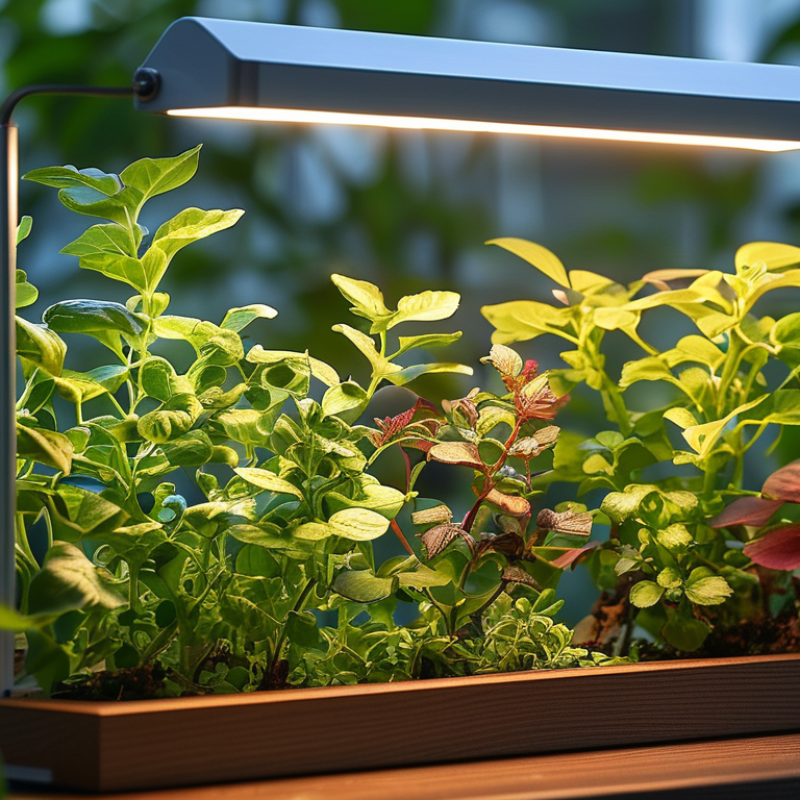
Understanding the importance of light height in plant growth is crucial for any indoor gardener. The distance between the grow lights and the plants affects not only the quality but also the quantity of light the plants receive. Too far, and plants may become leggy. Too close, and light burn can occur. Finding that sweet spot is essential.
Research suggests keeping the lights 12 to 24 inches above the plants, but this varies. Different plants have unique light needs. For instance, seedlings often thrive with lights closer to them, while mature plants require more distance.
Tips: Regularly check for leaf discoloration or signs of stress. Use a light meter to gauge actual light levels. Adjust the height based on plant response. If leaves look bleached, lower the light or raise it if they stretch towards the source. Observing your plants will lead to better growth outcomes.
| Plant Type | Recommended Light Height (inches) | Optimal Light Distance (inches) | Growth Stage | Notes |
|---|---|---|---|---|
| Lettuce | 12-18 | 24 | Seedling to Harvest | Keep lights close for faster growth. |
| Tomatoes | 24-30 | 36 | Vegetative Phase | Higher lights may reduce leggy growth. |
| Cucumbers | 18-24 | 30 | From Planting to Fruit | Monitor for leaf burn at close range. |
| Basil | 12-18 | 24 | All Growth Stages | Regular height adjustments needed. |
| Peppers | 18-24 | 36 | Growing and Flowering | Light exposure is critical for fruiting. |
When selecting the height for bar grow lights, several critical factors come into play. Light intensity is paramount. According to a report from the International Society for Horticultural Science, optimal light intensity varies with plant species. Many plants thrive at intensities around 300-600 µmol/m²/s. Positioning the lights too high may reduce this intensity, leading to weaker growth. Conversely, lights placed too low can cause leaf burn and hinder photosynthesis.
Distance to the plant canopy is another essential consideration. A general guideline suggests a height of 12 to 36 inches above the plants, depending on the light's wattage and spectrum. Research from the University of Arizona suggests that adjusting lights based on plant response is crucial. Observing leaf color and growth patterns can provide insights into whether the height needs adjusting. Not all lights produce uniform coverage. Certain areas may receive more or less light, affecting overall plant health. This uneven distribution can result in slow growth or leggy plants.
Environmental factors also significantly impact optimal light height. Temperature and humidity levels affect how plants absorb light. For example, high temperatures can cause stress, affecting a plant's ability to use light effectively. Staying adaptable and open to making adjustments based on environmental changes is vital for achieving the best results. It’s essential to monitor and refine the height regularly.
When determining the best height for bar grow lights, measuring light intensity is crucial. Research shows that the intensity of light directly affects plant growth and overall health. The optimal distance between lights and plants should balance effective light distribution without causing light burn.
A study from the American Society of Horticultural Science found that light intensity decreases significantly as distance from the light source increases. For instance, when placed at 12 inches, light intensity can be about 1000 µmol/m²/s. However, at 24 inches, this drops to around 600 µmol/m²/s. This illustrates the importance of adjustments in height based on the specific growth stage of the plants.
Light intensity variation can also lead to inconsistencies in growth. Plants that receive too little light may stretch and become leggy, while those with excessive light may show signs of scorched leaves. Regular monitoring using a PAR meter can help growers find the sweet spot for light placement. In experiments, adjusting heights based on these measurements helped improve yield by an average of 15%. Knowing how different heights affect light intensity is essential for successful indoor gardening.
This chart illustrates the relationship between the height of bar grow lights and the light intensity measured in µmol/m²/s. As the height increases, the light intensity generally decreases.
When adjusting the height of bar grow lights, understanding plant type and growth stage is essential. Different plants have varying light needs. For instance, leafy greens thrive with lights closer, about 12 to 18 inches away. This helps ensure they receive adequate light without stretching too much. However, flowering plants like tomatoes prefer a higher light distance, typically 24 to 36 inches. This allows for proper pollination and fruit production.
Growth stages also impact light height. Seedlings often require less intense light. Setting lights 24 inches away can prevent burning while promoting healthy growth. As plants mature, lowering the lights to 18 inches can enhance light penetration. The key is to observe your plants closely. If they appear leggy, lights may be too far. Conversely, burning tips indicate they’re too close. Finding the right balance takes time and adjustment.
Each plant type and growth stage has its unique requirements, so be prepared for trial and error in your setup.
When setting the height of bar grow lights, there are common mistakes to watch out for. One major pitfall is starting too high. If lights are too far from plants, they won't receive adequate light. This can lead to stunted growth and leggy plants. It's crucial to find the right distance to create optimal light intensity.
Another mistake is neglecting to adjust the height as plants grow. Light needs change over time. As plants mature, they may require a closer light source. Failing to monitor this can cause light burn, which negatively impacts plant health. Regularly reassessing the height can prevent these issues.
Ignoring the type of plants being grown is another frequent error. Different species have varying light requirements. Some thrive under intense light, while others prefer softer illumination. Researching your specific plants ensures you provide the best possible conditions for their development. Understanding these factors enhances your growing experience and avoids frustration.
: Light height affects both light quality and quantity. Proper distance prevents leggy growth and light burn.
Generally, keep lights 12 to 24 inches above plants. However, this can vary based on plant type.
Look for leaf discoloration or stretching. Yellow or bleached leaves indicate too much light.
Starting the lights too high can stunt growth. Ensure lights are not too far away.
Yes, light needs change as plants mature. Regularly reassess height to prevent light burn.
Research each plant type. Some prefer intense light, while others thrive with less illumination.
A light meter helps measure actual light levels. Use it to check if your plants are receiving adequate light.
Ignoring differences can lead to poor growth outcomes. It may cause frustration and negatively impact health.
Absolutely. Observing helps you notice any stress signs promptly and adjust care as needed.
Determining the best height for bar grow lights is crucial for optimal plant growth. The height at which these lights are positioned significantly influences photosynthesis, growth rates, and overall plant health. Factors such as light intensity, plant type, and growth stage must be meticulously considered when setting the height. For example, seedlings typically require a lower light height to avoid light stress, while mature plants may thrive at elevated positions.
Measuring light intensity at varying distances helps in identifying the optimal height for bar grow lights. It's essential to adjust heights based on specific plant needs and to avoid common mistakes, such as keeping lights too high or low, which can lead to insufficient light exposure or burning. Ultimately, understanding these dynamics is key to answering the question: what is the best height for bar grow lights? Proper adjustments can significantly enhance plant growth and yield.

Enova Lighting