Choosing the right light spectrum is essential for indoor plants. Many growers ask, "What is the best light spectrum for indoor plants?" According to a recent study by the American Society for Horticultural Science, light quality significantly affects plant growth, yield, and flowering. Renowned horticulturist Dr. Emily Wang states, “Plants thrive under specific light wavelengths, where each color plays a unique role in their development.”
Red and blue lights are crucial for photosynthesis. Red light promotes blooming and fruiting, while blue light enhances vegetative growth. However, many gardeners overlook the importance of other wavelengths. For example, green light helps with leaf expansion, despite being less acknowledged. This highlights the complexity of light needs for various plant species.
As scientists explore light spectra, new findings challenge traditional methods. Indoor growers must regularly adjust their strategies based on emerging research. The search for the optimal light spectrum continues, and a one-size-fits-all approach may not suffice. Remaining informed about advancements in horticultural lighting can lead to better plant health and yield.
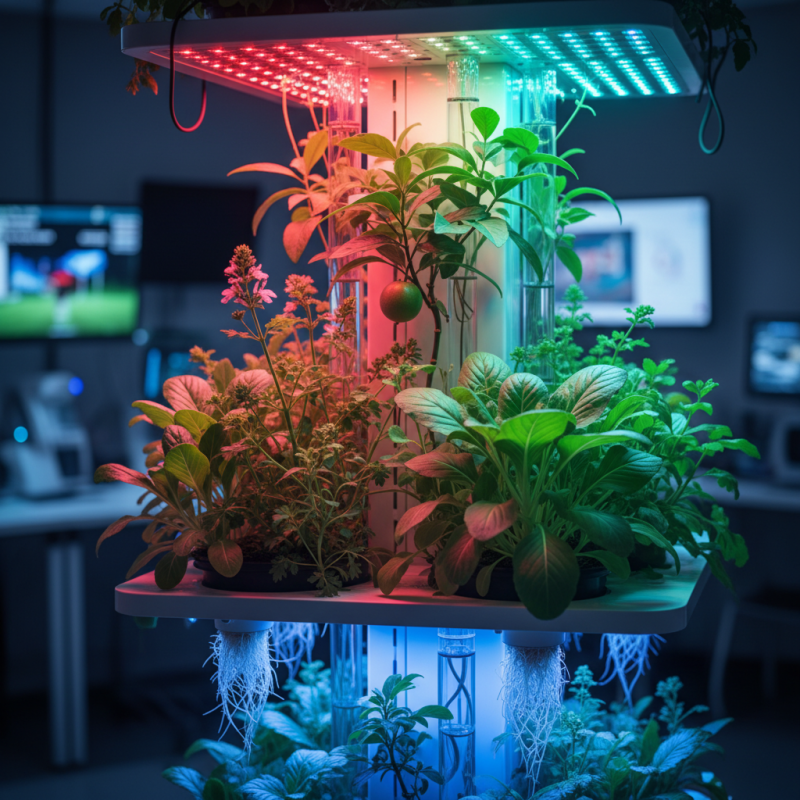
Understanding Light Spectrums and Their Importance for Plants
Understanding light spectrums is crucial for indoor plants. Plants rely on specific wavelengths for photosynthesis. The most effective light spectrum for plant growth typically includes red and blue wavelengths. Red light promotes flowering, while blue light fosters healthy leaf and stem development.
Many indoor gardeners overlook the importance of light intensity and duration. It's not just about the type of light; plants also need the right amount. Too much light can lead to leaf burn. Too little can cause stunted growth. Balancing these factors can be challenging but is essential for plant health.
Choosing the best light spectrum involves understanding plant needs. Each species may react differently to various light conditions. Experimentation is often necessary. Pay close attention to how your plants respond. Adjustments may be needed based on growth patterns. Learning is part of the journey in successful indoor gardening.
The Role of Photosynthesis in Indoor Plant Growth
Photosynthesis is a vital process for indoor plants. It allows them to convert light into energy. This energy fuels their growth and overall health. For indoor gardeners, understanding this process is essential. The right light spectrum can significantly impact plant development.
Chlorophyll is the pigment responsible for photosynthesis. It absorbs blue and red light most effectively. Blue light promotes vegetative growth. Red light influences flowering and fruiting. Without the proper light spectrum, plants may become leggy or fail to bloom. It’s important to adjust lighting conditions based on plant needs.
Indoor plants also require a balance of light intensity and duration. Too little light can stunt growth, while excessive light can cause leaf burn. Observing your plants closely is crucial. Yellowing leaves or slow growth could indicate inadequate light. Adjustments may be necessary. Experimenting with different light sources can lead to better results.
Key Light Spectrum Ranges and Their Effects on Plant Development
Choosing the right light spectrum for indoor plants is crucial for their growth. Key ranges in the light spectrum include blue and red light.
Blue light, typically around 400-500 nm, promotes healthy leaf growth and strong stems. Meanwhile, red light, from 600-700 nm, enhances flowering and fruiting.
Understanding these wavelengths can transform your indoor gardening experience. Plants rely on these light ranges for photosynthesis. Each color plays a role in a plant's development cycle. For example, too much blue light may hinder flowering. Red light alone can lead to leggy plants.
Tips: Adjusting the distance of your light source can improve your plants' exposure to the right spectrum. Monitor how your plants respond to changes in light. It may take time to find the ideal setup. Don't hesitate to experiment, as every plant species is unique.
Types of Grow Lights and Their Spectrum Output for Indoor Use
Selecting the right grow light is crucial for indoor plants. Different types of grow lights emit varying light spectra suitable for growth. Fluorescent lights are popular for seedlings and houseplants. They provide a balanced spectrum that supports photosynthesis effectively.
LED grow lights have gained traction due to their energy efficiency. They can be tailored to specific wavelengths, which makes them versatile for various plant types.
HIDs, or high-intensity discharge lights, offer vibrant light output. They generate a wide spectrum, beneficial during the flowering stage. However, they need to be used carefully due to heat production. Incandescent bulbs, while common, aren’t ideal for plants. They produce more heat than light, which can stress your plants. This is often overlooked by casual gardeners.
Understanding the spectrum output of these lights is vital. A plant’s light absorption is not uniform; specific wavelengths are more effective. Blue light promotes vegetative growth, while red light encourages flowering. Balancing these aspects can be challenging, especially for beginners.
Effective setups may require adjustments and experimentation. Keep a close eye on how your plants respond to different lights. Consider their growth patterns and colors. This feedback can guide you toward the optimal lighting for your indoor garden.
Choosing the Right Light Spectrum for Different Plant Species
When selecting the right light spectrum for indoor plants, it’s crucial to consider the specific needs of each plant species. Different plants thrive under different light conditions. For instance, leafy greens like lettuce benefit from blue light, which promotes healthy leaf growth. In contrast, flowering plants such as tomatoes prefer a spectrum rich in red light, encouraging blooming and fruiting.
The intensity of light is also a factor. Some plants, like succulents, can tolerate high light levels, while others, like ferns, thrive in lower light environments. It's essential to observe how your plants react to the light spectrum provided. If they appear leggy or discolored, adjustments may be necessary.
While many resources suggest specific spectrums for various species, results can vary. Factors such as the plant’s age, pot size, and even ambient conditions affect growth. Reflection on these variables is essential. Monitoring your plants and adapting their light conditions can lead to better growth outcomes. Fine-tuning the light spectrum based on your observations will contribute to a thriving indoor garden.
2026 Best Light Spectrum for Indoor Plants Explained
| Plant Species |
Optimal Light Spectrum (nm) |
Light Intensity (PPFD μmol/m²/s) |
Growth Stage |
| Tomato |
400-500 (Blue), 600-700 (Red) |
200-400 |
Vegetative & Fruiting |
| Lettuce |
450-460 (Blue) |
150-300 |
Seedling & Leaf Development |
| Pepper |
450-500 (Blue), 600-700 (Red) |
250-450 |
Vegetative & Fruiting |
| Herbs (Basil, Mint) |
430-450 (Blue), 600-640 (Red) |
150-300 |
Growth & Flavor Development |
| Succulents |
600-650 (Red), 700-740 (Far Red) |
100-200 |
Dormant & Growth Stage |
FAQS
: Plants need specific wavelengths for photosynthesis. The right spectrum supports healthy growth and development.
Red and blue wavelengths are the best. Red light encourages flowering, blue light aids in leaf growth.
Light intensity matters a lot. Too much can burn leaves, while too little may stunt growth.
No, different plants have varying needs. Leafy greens thrive in blue light, while flowering plants prefer red light.
Look for signs like leggy growth or discoloration. These indicate that adjustments in light conditions are necessary.
Factors include plant age, pot size, and ambient conditions. They all affect how well plants grow.
Yes, experimentation is important. Each plant may react differently, so it helps to observe and adjust accordingly.
Regular observation is key. Adjustments should be made as needed based on the plants' responses to the light provided.
Sunlight can be sufficient, but it depends on the plant type. Balance is crucial to avoid too much or too little light.
Conclusion
The article "2026 Best Light Spectrum for Indoor Plants Explained" delves into the essential aspects of light spectrums that influence plant health and growth. Understanding light spectrums is crucial for maximizing photosynthesis, which directly impacts indoor plant development. The article highlights key light spectrum ranges and their effects on various stages of plant growth, emphasizing the importance of using appropriate light sources.
To ensure optimal growth, it’s essential to choose the right type of grow lights based on the specific needs of different plant species. This leads to the critical question: What is the best light spectrum for indoor plants? The article provides insights into how different wavelengths, such as blue light for vegetative growth and red light for flowering, play a significant role in cultivating healthy indoor gardens. Overall, selecting the correct light spectrum is fundamental to achieving thriving plants indoors.

 Enova Lighting