Best Light Spectrum for Indoor Plants What Do You Need to Know?

Time:2026-07-28 Author:Isabella
0%

Indoor gardening is becoming increasingly popular. Many plant enthusiasts ask, "What is the best light spectrum for indoor plants?" According to Dr. Emily Verdant, a well-known horticultural scientist, "Plants thrive best under specific light wavelengths that mimic natural sunlight." Her research emphasizes the importance of understanding light spectra for optimal plant growth.

The ideal light spectrum varies for different plant species. Blue light encourages foliage growth, while red light promotes flowering. A balance of these wavelengths leads to healthier plants. However, many indoor gardeners are unaware of how light affects their plants. Choosing the right spectrum can be challenging.

Some growers rely on artificial lighting without enough research. This can result in stunted growth or leggy plants. Understanding light quality is crucial. It's not just about the quantity of light but its quality that matters. As Dr. Verdant highlights, considering your plants' specific needs is paramount in optimizing their growth conditions.
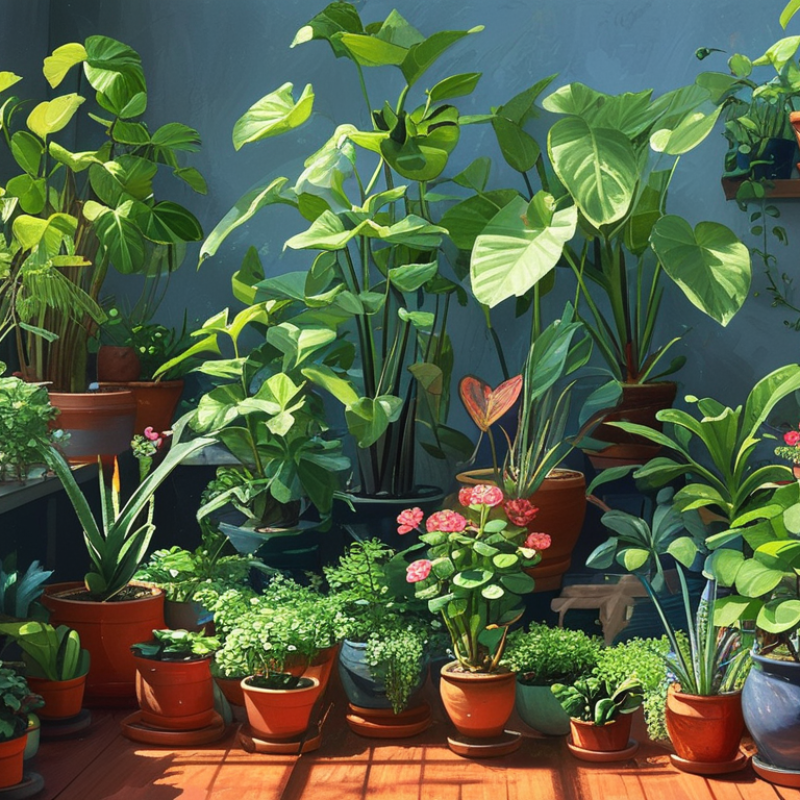
Best Light Spectrum for Indoor Plants What Do You Need to Know?

Understanding Light Spectrum and Plant Growth

Understanding the light spectrum is crucial for healthy indoor plant growth. Plants rely on light for photosynthesis, the process that converts light energy into chemical energy. Different wavelengths of light have varying effects on plant development. For example, blue light, typically between 400-500 nm, promotes vegetative growth and strong foliage. In contrast, red light, around 600-700 nm, encourages flowering and fruiting. Both wavelengths are essential; neglecting one can hinder growth.

Many indoor gardeners face challenges when choosing the right light sources. A balanced spectrum helps mimic natural light conditions. However, not all light setups provide a full spectrum. Some artificial lights may lack adequate blue or red wavelengths. This can lead to leggy plants or poor flowering. It's easy to assume that brighter lights equal better growth, but intensity must match the specific needs of the plants. Experimentation with different light setups often yields insightful results. Observing plant reactions can guide adjustments to light schedules and intensities.

Plant growth is not solely about providing light; it also involves proper placement and care. Factors such as distance from the light source can greatly affect growth. Too close might cause burn, while too far can stunt development. Regularly assessing plant health and adjusting your approach is vital. Remember that what works for one plant might not suit another. Keep a journal to track growth patterns and lighting conditions. This reflection will help you refine your indoor gardening techniques over time.

Best Light Spectrum for Indoor Plants

Light Spectrum Wavelength (nm) Effect on Plants Best for Growth Stage
Blue Light 400-500 nm Promotes vegetative growth and leaf development Seedling stage and vegetative growth
Red Light 600-700 nm Enhances flowering and fruiting Flowering and fruiting stage
Green Light 500-600 nm Less effective for photosynthesis but penetrates deeper into the canopy All stages, important for overall plant health
Far Red Light 700-800 nm Stimulates flowering and seed germination Late flowering stage
Full Spectrum 400-700 nm Mimics natural sunlight, promoting overall growth All growth stages

Key Light Spectrum Components Beneficial for Indoor Plants

Understanding the key light spectrum components is crucial for nurturing indoor plants. Plants rely on light for photosynthesis. The spectrum of light affects their growth patterns significantly.

Red light promotes flowering and fruiting. It plays a vital role in the plant's life cycle. Blue light, on the other hand, is essential for vegetative growth. It helps in producing robust leaves and stems. Many indoor gardeners often overlook the balance between these two light spectrums. Too much red light can cause leggy growth, while insufficient blue light may hinder overall development.

Ultraviolet (UV) light can also be beneficial. It can enhance colors and increase the production of protective compounds in plants. However, excessive UV exposure can harm plants. It's essential to find the right balance.

Visible light encompasses a range of wavelengths, and variations can lead to unique growth outcomes. Testing different combinations of light spectrums might reveal what works best for your plants. Each plant species has its needs, so observation and adjustment are necessary for optimal results.

Choosing the Right Grow Light Types for Various Indoor Plants

When selecting grow lights for indoor plants, it’s essential to understand the light spectrum. Different plants have varying light needs. Some thrive in soft, warm light, while others prefer bright, cool light. Understanding these requirements can make a significant difference in growth.

Fluorescent lights work well for herbs and leafy greens. They provide a balanced spectrum and are energy-efficient. On the other hand, LED lights are popular for their versatility. They can be adjusted for different plants throughout their growth stages. However, not all LEDs are created equal; some may not offer the full spectrum needed for blooming plants.

Regular observation is key. Not every light works perfectly for all plants. Some might struggle under certain lights, showing signs of distress or slow growth. Adjusting the light distance or type can improve conditions. Don’t hesitate to experiment and adapt to your plants’ responses. Finding the right spectrum is a process of trial and error.

Optimizing Light Duration and Intensity for Indoor Plant Health

When caring for indoor plants, light duration and intensity are crucial for their health. Plants generally thrive with 12 to 16 hours of light each day. However, this varies. Some plants prefer less. It's essential to balance light exposure carefully.

Intensity matters too. Bright sunlight can be overwhelming for delicate species. On the other hand, low-light plants may struggle under harsh, direct light. Placing plants in the right spot is key. For example, south-facing windows often provide strong light. Yet, east-facing windows offer gentler morning sun, which some plants adore.

Monitoring plant response is vital. Drooping leaves might indicate too much light, while stretching towards the light can signal insufficient intensity. Adjustments may be needed. Regularly observing your plants can lead to improvements. Finding the right balance will enhance their growth and vitality, creating a thriving indoor garden.

Common Mistakes in Lighting Indoor Plants and How to Avoid Them

Lighting indoor plants can be tricky. One common mistake is using inadequate light. Many assume that regular bulbs will suffice. However, these bulbs often lack the necessary spectrum for plant growth. Instead, focus on full-spectrum lights. They provide a balanced range of wavelengths. This spectrum promotes photosynthesis and healthy growth.

Another mistake is positioning lights too far from plants. This often results in leggy growth as plants stretch toward the light. Ideally, maintain a distance of 12-24 inches between the light and your plants. Monitor their response. If they seem stunted, adjust the light closer. Not all plants have the same requirements, so consider individual needs.

Lastly, overexposing plants to light is a common error. This can lead to leaf burn or discoloration. Understand your plants' limits. Some thrive in lower light, while others enjoy bright conditions. Learn to read the signs your plants give you. This will help you avoid mistakes and promote healthier growth.

FAQS

: Why is understanding the light spectrum important for indoor plants?

: It influences photosynthesis, which is vital for plant growth.

How do blue and red light affect plants differently?

Blue light promotes foliage growth, while red light encourages flowering and fruiting.

What common problems arise when choosing light sources for plants?

Some lights lack essential wavelengths, leading to poor growth and leggy plants.

Is brighter light always better for plant growth?

Not necessarily. Intensity should match the specific light needs of the plants.

How does the distance from the light source affect plant health?

Too close can cause burns, while being too far can stunt growth.

What should I do if my plants show signs of distress under certain lights?

Regularly monitor their condition and adjust the light distance or type as needed.

How can I track my plants' responses to light changes?

Keep a journal to note growth patterns and lighting conditions.

Can all plants thrive under the same type of light?

No, different plants have unique light requirements that must be understood.

What role do grow lights play for specific plant types?

Certain plants need tailored light options, like fluorescent for greens and LEDs for versatility.

How do I know if I need to experiment with light settings?

If plants show slow growth or distress, it’s time to evaluate and adapt your setup.

Conclusion

Understanding what is the best light spectrum for indoor plants is essential for promoting healthy growth. Plants require specific wavelengths of light for photosynthesis, with key components including blue light for vegetative growth and red light for flowering. Choosing the right grow light type based on your indoor plants’ needs can significantly enhance their health and vitality.

Moreover, optimizing light duration and intensity is crucial—most indoor plants thrive with 12-16 hours of light per day, depending on their species. Common mistakes in lighting include overexposure or insufficient light, which can hinder growth and lead to issues like leggy stems or poor flowering. By being aware of these factors, indoor gardeners can create an ideal growing environment for their plants.

Isabella

Isabella

Isabella is a dedicated marketing professional with a sharp focus on driving brand growth and engagement through strategic content creation. With an extensive background in digital marketing, she combines her passion for storytelling with her keen understanding of industry trends to deliver......