Setting up a grow tent kit for beginners can be an exciting yet challenging experience. According to expert horticulturist Dr. Emily Hayes, "A well-structured grow tent offers the perfect environment for plants to thrive." Understanding how to set up a grow tent kit for beginners is crucial for success.
Beginner growers often feel overwhelmed by equipment choices and setup processes. However, with focused efforts and guidance, anyone can create a productive space. It’s essential to review all components carefully. You’ll need appropriate lighting, ventilation, and temperature controls. Each aspect influences plant growth significantly.
Mistakes can happen, but they offer valuable learning opportunities. For instance, improper light height can lead to stunted growth or burning. Trying out different configurations will help you find what works best. Ultimately, practice and patience are key in this journey. With dedication, your grow tent can become a thriving ecosystem for your plants.
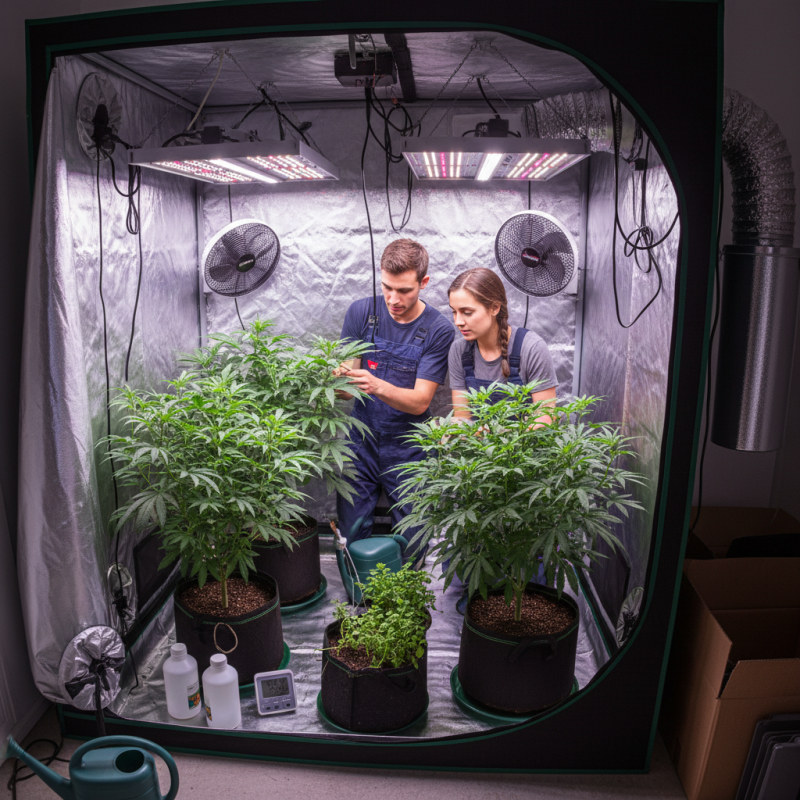
When setting up a grow tent, choosing the right location is crucial. Look for a space that has minimal foot traffic. A quiet environment can help maintain consistent temperature and humidity levels. Ideally, the area should also be close to a power source for your grow lights and ventilation system. If possible, try to avoid direct exposure to sunlight. Too much light can make temperature control challenging.
Consider access to water for your plants as well. A nearby sink or hose can make watering simple and efficient. Make sure there is ample space around the tent for maintenance and adjustments. Clutter can impede airflow and create challenges during plant care.
Ventilation is another key aspect. Ensure your location allows for proper air circulation. Stale air can lead to mold and pests. If your space is tight, think creatively. Use fans or ducting to enhance airflow. Reflect on your setup regularly. Are your plants thriving? Adjustments might be needed for optimal growth.
When choosing a grow tent, size and type matter significantly. A tent too small restricts plant growth and light penetration. Conversely, an oversized tent may lead to wasted energy and inefficient use of resources. Research shows that a 4x4 foot tent is a popular choice for beginners, providing enough space for six large plants. This size optimally balances usability and efficiency.
Different types of grow tents exist. Reflective materials enhance light efficiency, essential for plant growth. Additionally, consider ventilation options. Poor air circulation can lead to mold or stagnant air. A 2022 industry report indicated that over 35% of new growers faced issues related to inadequate ventilation.
Pay attention to the tent's height, too. Most plants require at least six feet for optimal growth. A lack of height can restrict plant development, leading to lower yields. New growers often overlook these details, resulting in frustration later on. Choosing the right tent is foundational for successful indoor gardening.
Setting up a grow tent kit requires careful attention to essential equipment. One of the first items to consider is the tent itself. A good tent should have sturdy material and proper ventilation. Look for a tent with reflective walls. This helps maximize light efficiency. Also, ensure it has a secure structure. A weak tent can collapse with heavy equipment.
Next, lighting is crucial. LED grow lights are popular among beginners. They are energy-efficient and produce less heat. This makes them safer for your plants. Consider the light spectrum as well. Different growth stages require specific light types. A light timer can help automate the process.
Furthermore, air circulation is vital. Invest in a quality fan for proper airflow. This prevents mold and encourages strong plant growth. Don’t overlook environmental controls. A hygrometer and thermometer will help monitor conditions. You might find yourself adjusting these frequently. Each plant type has its requirements. Experimenting can lead to mistakes, but that’s part of the learning process. You will refine your setup over time.
| Tip Number | Tip Description | Essential Equipment |
|---|---|---|
| 1 | Choose the Right Size Tent | Grow tent |
| 2 | Ensure Proper Ventilation | Exhaust fan, ducting |
| 3 | Select Suitable Lighting | LED grow lights, hangers |
| 4 | Temperature and Humidity Control | Thermometer, hygrometer |
| 5 | Choose Appropriate Pots | Grow pots, trays |
| 6 | Opt for Quality Soil | Potting soil, nutrients |
| 7 | Plan Your Grow Layout | Grow trays, plant layout |
| 8 | Set Up a Watering System | Watering can, drip system |
| 9 | Monitor Plants Regularly | Notebook for notes, camera |
| 10 | Manage Pests and Diseases | Pesticides, insect traps |
Creating an efficient ventilation and airflow system is crucial for any grow tent setup. A well-ventilated tent promotes healthy plant growth, preventing issues like mold or pests. Research indicates that optimal airflow can enhance growth rates by up to 25%. For beginners, understanding airflow dynamics is key.
Ensure your grow tent has at least one intake and one exhaust fan. The intake fan should bring in fresh air. It’s essential to prevent hotspots. Aim for a temperature range of 70 to 80°F for optimal growth. Install oscillating fans to circulate air within the tent. This helps in evenly distributing heat and moisture.
Consider carbon filters to eliminate odors. Regular maintenance of these systems is vital. Check for blockages frequently. Monitor humidity levels with a hygrometer. An ideal range is between 40% and 60%. Adjusting accordingly keeps plants healthy. Remember, temperatures or humidity that are too high or low can harm your plants. Take the time to analyze how airflow affects your specific environment.
When setting up a grow tent, lighting plays a vital role in plant health. The right light can boost photosynthesis and contribute to faster growth rates. In fact, plants receive around 80% of their energy from light. Understanding the various lighting options is essential for beginners.
LED grow lights are a popular choice for their efficiency. They consume less energy and produce less heat compared to traditional lighting. According to industry reports, using LEDs can reduce energy consumption by up to 40%. Additionally, they have a longer lifespan, often lasting more than 50,000 hours. However, beginners sometimes overlook the specific light spectrum plants need. Blue light is crucial for vegetative growth, while red light supports flowering. Without this knowledge, you may end up with stunted growth or poor yields.
Other lighting options include fluorescent and HID lights. Fluorescent lights are inexpensive and suitable for seedlings. Yet, they may lack intensity for flowering stages. On the other hand, HID lights offer powerful output but can generate considerable heat. Many new growers find themselves managing heat issues, which could lead to stress in plants. Selecting the right light demands careful consideration and ongoing adjustments.
: A 4x4 foot tent is popular. It fits about six large plants.
Poor ventilation can cause mold. Over 35% of new growers report air circulation issues.
Look for sturdy materials with reflective walls. This maximizes light efficiency.
Tent height matters significantly. Most plants need at least six feet to grow well.
LED grow lights are ideal. They’re energy-efficient and produce less heat.
Yes, consider using a light timer. It helps manage different growth stages easily.
Invest in a quality fan. Good airflow prevents mold and aids plant growth.
Absolutely, use a hygrometer and thermometer. Conditions may need frequent adjustments.
Definitely, experimenting is part of the process. You’ll learn and improve over time.
A small tent can restrict growth. An oversized tent may waste energy. Reflect on your choices.
Setting up a grow tent kit for beginners can be an exciting venture into indoor gardening, and following the right steps is crucial for success. Start by choosing the right location for your grow tent, ensuring it has adequate access to electricity and is free from external disturbances. The size and type of the tent are also significant, as they should accommodate the plants you intend to grow while fitting within your available space.
Equipping your grow tent with the essential tools is the next step, which includes lights, pots, soil, and nutrients. Proper ventilation and airflow systems are also vital to maintain healthy conditions within the tent, promoting optimal plant growth. Lastly, understanding the various lighting options available will help you provide the best environment for your plants. By following these guidelines on how to set up a grow tent kit for beginners, you can create a thriving indoor garden that flourishes.

Enova Lighting