Starting seeds indoors can be a rewarding experience for gardeners. Understanding **how to start seeds indoors with artificial light** is key to a successful planting season. Artificial light provides the necessary spectrum for germination and growth. It can help overcome the limitations of natural light, especially in early spring.
Choosing the right light is crucial. LED lights are popular due to their efficiency. Fluorescent tubes can also work well but might require more frequent replacement. Pay attention to the distance between the light and seedlings. If it’s too far, the plants may become leggy. Too close, and they could burn.
Finding the right balance can be challenging. Some gardeners may not get it right on their first try. Keep notes on light durations and distances to improve your process. Consistency is vital for strong seedlings. Reflecting on your methods will enhance your indoor gardening skills over time. Each attempt teaches you something new. Patience is an essential part of this journey.
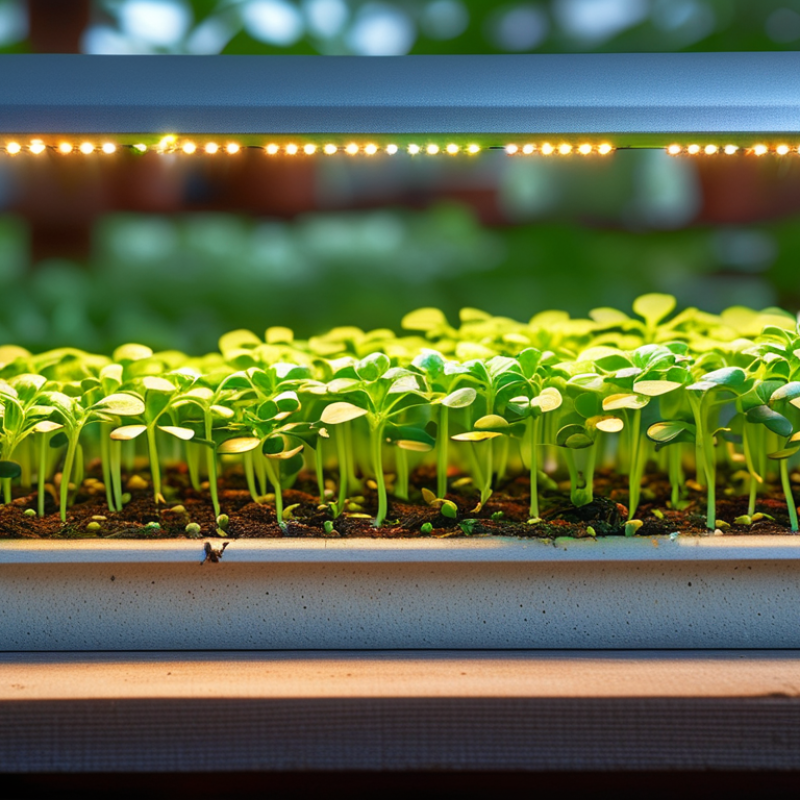
When selecting seeds for indoor planting, it’s essential to understand their specific needs. Reports indicate that certain seeds thrive under artificial light, which mimics natural sunlight. For instance, leafy greens, herbs, and small fruits like cherry tomatoes show excellent growth indoors. These plants can grow well in a structured indoor environment, given the right conditions.
Tips for success include considering germination times and plant spacing. For greens, ensure they are spaced adequately to avoid overcrowding. A study showed that plants require about 12-16 hours of light daily to reach optimal growth. Remember, not all seeds perform equally under artificial light. Experimentation may be necessary to find what works best in your setting.
Additionally, it's crucial to monitor the temperature and humidity levels. Some seeds may require higher humidity to germinate, while others prefer cooler conditions. Adjusting the height of your lights can also impact plant growth. Try positioning lights closer to seedlings to promote strong, healthy stems, but watch for signs of burning. Balancing these factors will lead to a more fruitful indoor gardening experience.
Starting seeds indoors with artificial light can be a rewarding experience. Essential equipment plays a vital role in ensuring success. Grow lights are the most important tools. LED grow lights are popular due to their energy efficiency and spectrum options. Using a timer for the lights helps maintain a consistent light cycle. Most seeds benefit from 12-16 hours of light each day.
In addition to lights, a growing medium is crucial. Seed-starting mix offers good drainage and aeration. Avoid using regular garden soil, as it may harbor disease. Containers or seed trays should have drainage holes to prevent water accumulation. A humidity dome can help retain moisture, promoting germination.
Temperature is another critical factor. Keeping seeds in a warm environment enhances germination rates. A heat mat can provide warmth, especially for heat-loving plants. Monitor moisture levels carefully. Too much water can lead to mold growth. It's essential to strike a balance for healthy seedlings. Observing your plants’ response can lead to valuable lessons. Adjusting light distance or watering frequency can make a significant difference. Each growing season is an opportunity to learn and improve techniques.
Creating optimal light conditions is essential for seed germination. Seeds need the right duration and intensity of light to thrive. Generally, 12 to 16 hours of light per day works well for most plants. It's crucial to provide consistent light to avoid stretching or weak seedlings.
When using artificial lights, consider the type of bulb. LED and fluorescent lights are popular choices. They emit a spectrum that is beneficial for plant growth. However, monitor the distance between the light source and the seedlings. Too close can cause heat stress, while too far can lead to inadequate light exposure.
Tips for success include rotating your seedlings for even light distribution. Flipping trays can help ensure all sides of the plants receive plenty of light. Also, be mindful of light intensity. If seedlings appear leggy, they may not be getting enough light. Adjusting the height of your lights can quickly rectify this issue and promote stronger growth. Remember, trial and error is part of gardening; observe your plants and adapt as needed.
Starting seeds indoors requires careful attention to watering and soil conditions. Proper watering can significantly influence seedling health. A study by the American Society for Horticultural Science found that overwatering is a common mistake among novice gardeners. Seedlings thriving in too much moisture often develop root rot, which can lead to failure.
Soil choice plays a critical role as well. A sterile seed-starting mix encourages better drainage and reduces the risk of disease. According to the University of Vermont Extension, a mix containing peat moss, vermiculite, and perlite is ideal for starting seeds indoors. Maintaining a consistent moisture level is essential. A dampening spray bottle can help in keeping the soil lightly moist without over-saturating it.
However, water quality shouldn't be overlooked. Tap water often contains chlorine and other chemicals that can hinder seed germination. Using filtered or distilled water might improve your results. Additionally, monitoring the humidity level in your indoor garden environment can also impact seedling success. Aim for a relative humidity of 50-70% for optimal growth. These small adjustments make a significant difference.
Transplanting seedlings from indoors to outdoors can be a delicate process. Timing is crucial. Choose a mild day without strong winds or frost. This minimizes stress on the plants. To prepare, harden off your seedlings gradually. Start by placing them outside for a few hours a day. Increase their time outdoors over a week or two. This allows them to acclimate.
When transplanting, dig a hole slightly larger than the seedling's root ball. Keep the soil close to the roots to prevent damage. If possible, transplant during the early morning or late afternoon. This reduces shock to the plant. Water the seedlings before moving them. A hydrated plant adapts better.
Pay attention to spacing. Crowded plants compete for nutrients and light. Some seedlings may not thrive due to poor placement. Reflect on your choices and be adaptable. If a plant doesn't flourish, consider replanting it in a different spot. Gardening is a learning experience, and not every attempt will succeed. Embrace these challenges as part of your growth journey.
: Leafy greens, herbs, and small fruits like cherry tomatoes thrive well indoors under artificial light.
Most seeds benefit from 12 to 16 hours of light each day for optimal growth.
Ensure proper spacing between plants, especially leafy greens, to allow for adequate growth without overcrowding.
Some seeds need higher humidity to germinate, while others do better in cooler, drier conditions.
Position lights closer to seedlings for strong growth, but watch out for signs of heat stress or burning.
Yes, a seed-starting mix with good drainage is crucial. Avoid using regular garden soil to prevent disease.
Essential equipment includes grow lights, containers with drainage holes, timers, and possibly a heat mat.
If seedlings look leggy, they may need more light. Adjusting the height of your lights can help.
Absolutely. Observing plant responses can lead to valuable lessons and improvements for future growing seasons.
Keep an eye on moisture levels, temperature, and light exposure to promote healthy growth.
Starting seeds indoors with artificial light can be a rewarding experience, but it requires careful planning and execution. First, it's essential to select the right seeds suited for indoor planting. This helps ensure that the plants thrive under controlled conditions. The next step involves gathering the necessary equipment, including grow lights that provide the right intensity and duration of light for optimal seed germination.
In addition to light, proper watering and soil selection are crucial for successful indoor seed starting. Maintaining the right moisture levels and using quality soil can significantly impact seedling health. Once the seedlings have matured, learning how to transplant them outdoors is vital. This involves acclimating the plants to outside conditions gradually to ensure a smooth transition. Overall, understanding how to start seeds indoors with artificial light can lead to a fruitful gardening experience.

Enova Lighting