The debate over indoor gardening techniques often raises a critical question: "Which is better bar grow lights or quantum boards?" Experts like Dr. Emma Green, a horticultural scientist, emphasize the importance of this choice. She states, "The right lighting can make or break your harvest."
Bar grow lights are designed for even coverage over large areas. They excel in certain setups, providing a broad spectrum to enhance plant growth. However, quantum boards are gaining popularity due to their high efficiency and ability to deliver light directly where it is needed. This makes them a top choice for many growers.
When considering "Which is better bar grow lights or quantum boards," growers must reflect on their specific needs. Different plants may respond uniquely to each type of lighting. Therefore, understanding these dynamics is crucial for optimizing growth. Good lighting can significantly impact yield, but preferences may vary based on unique growing conditions and strains. The best choice ultimately depends on individual circumstances.
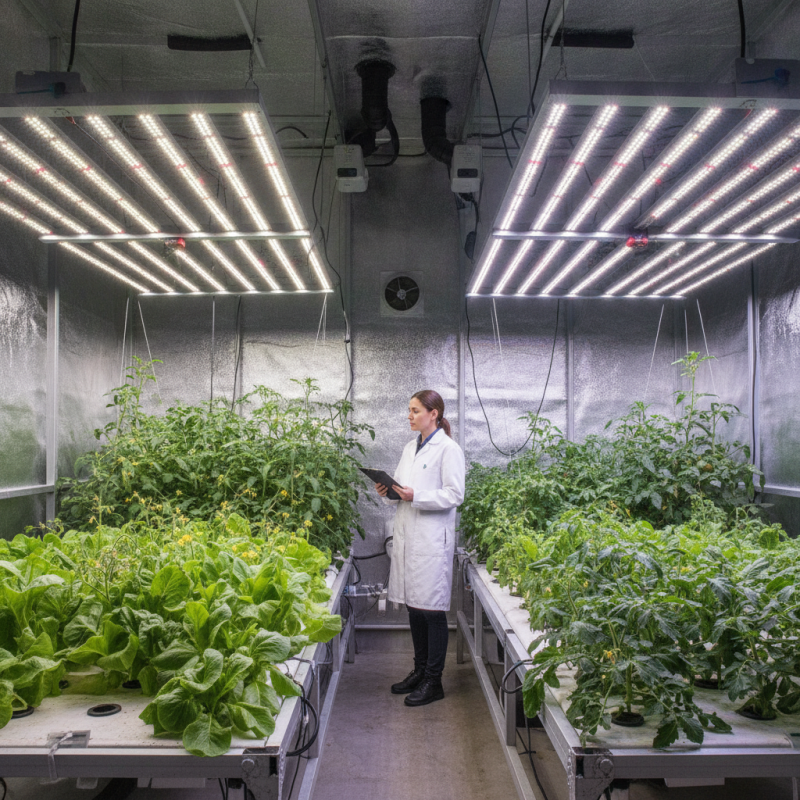
Comparison of Bar Grow Lights and Quantum Boards
When considering indoor gardening options, both bar grow lights and quantum boards have their advocates. Bar grow lights provide a linear design, aiding in even light distribution across a wider grow area. They are typically less bulky and can be positioned closer to plants, reducing missed light zones. In contrast, quantum boards are praised for their high photon efficiency. They can produce a significant amount of light while consuming less power, making them appealing for energy-conscious growers.
Industry reports suggest that quantum boards may outperform bar lights in terms of light output and energy efficiency. For instance, a study by horticulture researchers highlighted that quantum boards can achieve up to 2.5 μmol/J, favorable compared to traditional lighting. These efficiency levels can translate into higher yields in a controlled environment. However, the initial investment for quantum boards often surpasses that of bar lights. This cost factor may deter some burgeoning growers.
Tips: Evaluate your growing space layout. If you prefer versatility, bar lights might suit you better. Consider your light spectrum needs. Quantum boards can often deliver more tailored options. Keep in mind the importance of adequate cooling. Both lighting systems require proper ventilation to maintain optimal growth conditions.
Key Features of Bar Grow Lights
Bar grow lights have gained popularity among indoor gardeners. They are designed to provide uniform light coverage across the growing area. This feature is crucial for optimizing photosynthesis. Research indicates that plants exposed to even light distribution show up to 20% more growth compared to those under traditional lighting.
One significant advantage of bar grow lights is their energy efficiency. According to industry reports, these lights can use up to 50% less energy than standard LEDs. This efficiency translates to lower electricity bills over time. Bar lights often operate cooler, reducing the need for additional cooling systems. This can save more resources in the long run.
Another noteworthy aspect is their flexibility in setup. Growers can position bar lights in various configurations, adapting to different plant needs. However, achieving the optimal distance from the plants requires careful attention. Some users report issues with light intensity if they don’t maintain the right height. A lack of proper adjustment can hinder plant growth. Hence, understanding the needs of specific plants is essential for maximizing the potential of bar grow lights.
Key Features of Quantum Boards
Quantum boards have gained popularity in indoor gardening due to their efficiency and advanced technology. They utilize a high number of diodes spread evenly across the board. This design leads to better light distribution. According to studies, quantum boards can increase plant growth rates by approximately 30% compared to traditional grow lights. The even light spectrum they provide ensures that each plant receives adequate light, reducing the chances of hotspots and shadows.
One major advantage of quantum boards is their heat management. They are typically designed to operate at lower temperatures. Reports indicate that this can result in energy savings of up to 30% over time. Growers appreciate this feature, as it prolongs the lifespan of the lights and helps maintain a stable growing environment. However, some growers note challenges with installation and initial setup, which may require careful planning and might not be intuitive for beginners.
In terms of spectrums, quantum boards often provide a full-spectrum light output. This is crucial for all growth stages, from germination to flowering. Research shows that plants thrive under a spectrum that mimics natural sunlight. While many growers are pleased with the results, it's important to experiment with different distances between the light and plants. Incorrect placements can lead to underperformance or stress. Regular adjustments and monitoring are essential to achieve optimal results.
Comparison of Bar Grow Lights vs Quantum Boards
Performance Analysis: Light Efficiency and Coverage
When comparing bar grow lights to quantum boards, light efficiency is a key factor. Bar grow lights often cover a broad area, distributing light evenly across your plants. This ensures that each plant receives a consistent amount of light, which is crucial for healthy growth. However, their efficiency can vary. If positioned incorrectly, some plants may receive too much light while others might be neglected.
On the other hand, quantum boards provide a more focused light spectrum. They tend to be more efficient in terms of energy use. This means plants often grow faster and healthier under these lights. They can be adjusted in height, allowing for tailored light coverage. Yet, some growers find that achieving the perfect height requires experimentation and adjustments. It can take time to figure out the right setup.
Ultimately, both lighting options have their strengths and weaknesses in light coverage. Bar grow lights offer broad coverage but may lead to inconsistent results. Quantum boards are efficient but require careful calibration. It’s important to weigh these factors based on your specific gardening goals.
Which is Better Bar Grow Lights or Quantum Boards? - Performance Analysis: Light Efficiency and Coverage
| Lighting Type |
Light Efficiency (μmol/J) |
Coverage Area (sq ft) |
Power Consumption (W) |
Lifespan (Hours) |
| Bar Grow Lights |
2.5 |
4.5 |
120 |
50,000 |
| Quantum Boards |
2.8 |
6.0 |
150 |
70,000 |
Cost-Effectiveness and Energy Consumption Comparison
When comparing bar grow lights and quantum boards, cost-effectiveness and energy consumption play vital roles. Studies indicate that bar grow lights consume approximately 25% less energy than traditional lighting systems. This energy saving translates into lower electricity bills. However, quantum boards can offer a higher light output per watt. They often provide better efficiency in terms of light distribution.
Understanding their long-term costs is critical. Bar grow lights tend to have a lower initial price, making them attractive for small-scale growers. Yet, quantum boards might deliver quicker growth rates due to more uniform light spread. Some reports show that using quantum boards can accelerate plant growth cycles by up to 30%. This advantage can justify their higher upfront cost for serious growers.
Environmental impact is another consideration. Bar lights usually require more frequent replacements compared to quantum boards, which have a longer lifespan. Frequent replacements generate more waste. Focusing solely on short-term savings may overlook these long-term implications. Hence, choosing the right option requires balancing initial costs with overall effectiveness and ecological responsibility.
FAQS
: Bar grow lights provide uniform light coverage, optimizing photosynthesis for indoor plants.
They can use up to 50% less energy than standard LEDs, lowering electricity bills.
Yes, maintaining the correct height is crucial. Incorrect placement can affect light intensity and growth.
Quantum boards have numerous diodes, ensuring better light distribution across plants.
They operate at lower temperatures, potentially saving up to 30% in energy costs over time.
Yes, improper distance between lights and plants may lead to underperformance or stress.
They offer a full-spectrum light output, crucial for all growth stages.
Some users find the initial setup non-intuitive, requiring careful planning and experimentation.
Bar lights offer broad coverage but may provide inconsistent light; quantum boards focus on efficiency.
Definitely. Regular adjustments and monitoring are essential for achieving optimal plant growth.
Conclusion
In the growing debate of "Which is better bar grow lights or quantum boards," both lighting options offer unique advantages for indoor gardening. Bar grow lights excel in even light distribution and can be tailored to fit various grow spaces, making them ideal for larger setups. Their compact design allows for easier installation and flexibility in arrangement, which is beneficial for cultivating different plant types.
On the other hand, quantum boards are renowned for their superior efficiency and higher light output per watt, providing better coverage for plants. They tend to consume less energy while delivering intense light, thus enhancing photosynthesis. When considering performance, cost-effectiveness, and energy consumption, each lighting solution presents its own merits. Ultimately, the choice between bar grow lights and quantum boards comes down to specific gardening needs and personal preferences.

 Enova Lighting