How to Choose the Best Carbon Filter for Your Grow Tent?

Time:2026-07-18 Author:Aria
0%

When setting up a grow tent, effective odor control is crucial. Choosing the right carbon filter can make a significant difference. Industry expert Dr. James Green, a horticultural scientist, once stated, "Selecting the right carbon filter is critical for maintaining air quality in your grow space."

Understanding how to choose a carbon filter for a grow tent involves several factors. First, consider the size of your tent. Filters come in various sizes, and matching one to your grow tent is essential. A filter that is too small won't effectively neutralize odors. Conversely, an oversized filter may be inefficient and wasteful.

Furthermore, look at the type of carbon used in the filter. High-quality activated carbon has a greater ability to trap odors. Don’t overlook the importance of the filter's airflow rating. If the airflow is too high, it can reduce the filter's contact time with odors. Finding balance is vital for optimal performance. Making mistakes is common in this process. The right knowledge can lead to better decisions for your grow tent.
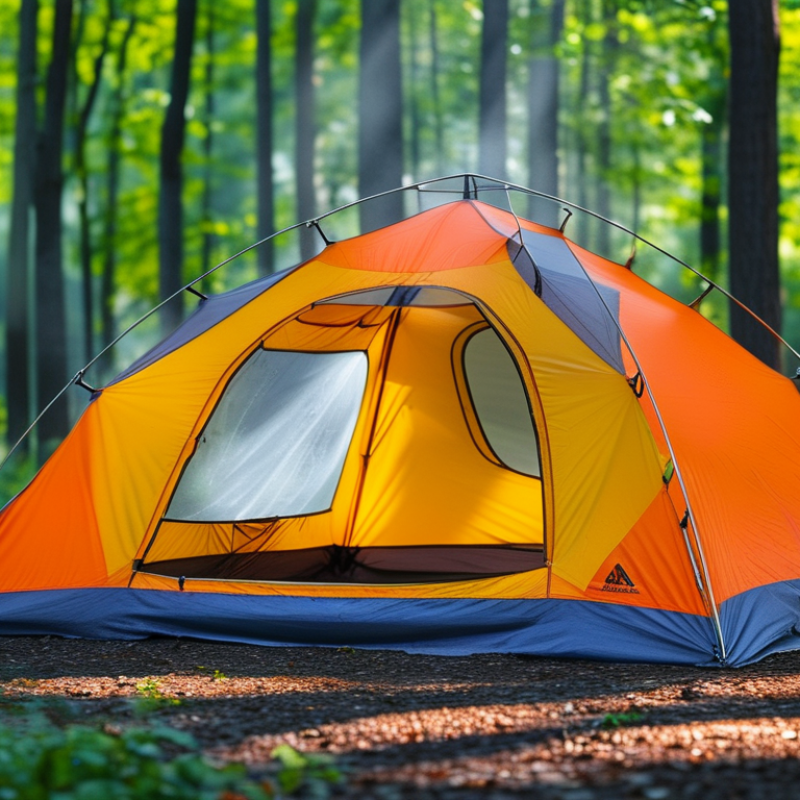
How to Choose the Best Carbon Filter for Your Grow Tent?

Factors to Consider When Selecting a Carbon Filter for Grow Tents

When selecting a carbon filter for your grow tent, several key factors come into play. The filter size should match the volume of your tent. A filter that is too small may not effectively reduce odors and particles. Meanwhile, an oversized filter can lead to unnecessary expenses. Knowing the cubic feet of your grow space is essential before making a choice.

The activated carbon quality is also critical. Higher-quality carbon absorbs odors more effectively and lasts longer. Filters with lower-grade carbon can disappoint. Check for density; denser carbon provides better filtration. Additionally, consider the filter's airflow rate. A filter should not restrict airflow too much, as this can stress your plants.

Lastly, think about the ease of replacement. Some filters require special tools for changes, making maintenance cumbersome. Think about your skill level and willingness to troubleshoot. A less user-friendly design may lead to frustration. Every grower has unique requirements, so reflect on your needs carefully.

How to Choose the Best Carbon Filter for Your Grow Tent? - Factors to Consider When Selecting a Carbon Filter for Grow Tents

Filter Size Airflow (CFM) Carbon Weight (lbs) Particle Size (mm) Lifespan (months) Price Range ($)
4" 150 2 1.5 12 30-50
6" 400 4 2.0 24 80-120
8" 800 6 2.5 18 150-200
10" 1000 8 3.0 24 200-300

Types of Carbon Filters Available for Indoor Gardening

When choosing a carbon filter for your grow tent, understanding the types available is crucial. The two main categories are inline filters and duct filters. Inline filters connect directly to your fan, providing efficient odor and particulate control. Duct filters, on the other hand, attach to the exhaust duct, filtering air as it exits the tent.

One critical aspect is the filter’s activation level. High-activated carbon ensures superior odor removal. However, not all filters are created equal. Some may have lower efficacy, leading to disappointing results. Always check the specifications when selecting a filter.

Tips: Regular maintenance improves filter efficiency. Check for clogs or damage frequently. Also, consider the size of your grow tent; a mismatched filter can lead to airflow issues. Size matters. A filter too small can overwhelm, while one too large might not fit efficiently. Lastly, remember that your filter's lifespan depends on usage. High-traffic areas may reduce its effectiveness over time, forcing you to replace it sooner than expected.

Sizing Your Carbon Filter: Understanding Airflow and Capacity

When selecting a carbon filter for your grow tent, understanding airflow and capacity is essential. The size of the filter should match your tent’s volume. Inadequately sized filters can lead to undesirable odors and poor air quality. For instance, a small filter may struggle to purify the air in a large tent. Conversely, a filter that is too large could create excessive airflow, disrupting the environment needed for plant growth.

Airflow is often measured in cubic feet per minute (CFM). Assessing your tent's size helps determine the right CFM rating. Aim for a filter that can handle the air volume efficiently. An underperforming filter can cause stale air pockets, leading to mold growth and unhealthy plants. It’s a balancing act: you need enough airflow without overwhelming your plants.

Adjustments may be necessary as your plants grow. You might find that what worked initially is no longer effective. Regularly monitor air quality, and be open to changing your setup. Reflecting on your filter's performance can lead to better decisions in the future. A well-chosen carbon filter enhances plant health and can make a significant difference in your indoor garden.

Installation Tips for Optimal Performance in Grow Tents

When installing a carbon filter in your grow tent, placement is key. Ensure the filter is positioned at the exhaust end of your ventilation system. This setup will allow your filter to capture odors effectively as air exits the tent. It’s also crucial to have a properly sized fan to create the right airflow. Mismatches in size can lead to inefficiency.

Pay attention to sealing. Gaps can undermine the filter's performance by allowing unfiltered air to escape. Using duct tape can help seal connections between the fan, filter, and ducting. Regular maintenance plays an important role too. Check for clogs or buildup that can hinder airflow over time. Remember, clean filters work better.

Sometimes, you may find your filter isn’t absorbing odors as expected. Evaluate your humidity levels; high humidity can affect performance. Consider running dehumidifiers if needed. Each grow tent has unique challenges. Don't hesitate to experiment. Your setup may need adjustments for optimal results.

Maintaining and Replacing Your Carbon Filter: Best Practices

When maintaining your grow tent, keeping the carbon filter in top condition is essential. Regular checks are necessary to ensure it effectively removes odors. Every 3 to 6 months, inspect the filter for any signs of saturation or reduced airflow. If you notice musty smells or a lack of airflow, it may be time to replace the filter. Be aware that environmental factors, like humidity and temperature, can affect the filter's lifespan.


Replacing your carbon filter involves a few steps. Begin by turning off all equipment in the tent. Carefully detach the old filter from the extraction system. When installing the new filter, ensure it fits snugly to avoid leaks. Proper installation is key for maintaining airflow and effectiveness. Document your replacement dates. This practice keeps you informed about when your next replacement is due.


While you can often DIY this process, there are challenges. Improper installation can lead to inefficient odor control. Take your time and double-check your work. It’s advisable to consult with experienced growers for tips. They can provide insights based on their own experiences, which can be invaluable. By following these best practices, you can maintain an optimal growing environment.

FAQS

: How do I choose the right size carbon filter for my grow tent?

: Match the filter size to your tent's volume. A small filter won’t control odors well. An oversized filter can waste money.

What quality of activated carbon should I look for?

Higher-quality carbon absorbs odors better and lasts longer. Check for density; denser carbon offers superior filtration.

Why is airflow rate important for a carbon filter?

A filter should allow adequate airflow. Too much restriction can stress your plants. Balance is essential for a healthy environment.

How can I determine the right CFM rating for my filter?

Measure your tent's size to calculate the necessary CFM. An underperforming filter leads to stale air pockets.

How often should I check my carbon filter?

Inspect your filter every 3 to 6 months. Look for signs of saturation or reduced airflow for optimal performance.

What steps do I follow to replace my carbon filter?

Turn off equipment, detach the old filter, install the new one securely, and check for leaks. Document the replacement date.

Are there challenges during the filter replacement process?

Yes, improper installation can cause odor control issues. Take your time and seek help from experienced growers for best results.

Conclusion

When considering how to choose a carbon filter for a grow tent, it's essential to evaluate various factors that impact its effectiveness, such as the size of your tent, airflow requirements, and the specific types of carbon filters available. Different filter types vary in performance, so understanding their features is crucial for optimal results.

Sizing your carbon filter correctly is paramount; it involves comprehending the airflow and capacity needed to efficiently eliminate odors. Proper installation will ensure that your filter operates at peak performance, while regular maintenance and timely replacement are key practices to prolong its lifespan and efficacy. By following these guidelines, you can select an appropriate carbon filter that meets the unique needs of your indoor gardening setup.

Aria

Aria

Aria is a dedicated marketing professional with a deep passion for innovative strategies and a keen understanding of our company's product offerings. With a wealth of experience in the industry, Aria excels at crafting engaging content that highlights the unique features and benefits of our......