When it comes to growing healthy plants indoors, lighting is crucial. Renowned horticulturist Dr. Emily Chen emphasizes, "Choosing the right wattage for grow lights is key to plant success." As you navigate the world of grow lights, understanding how to choose the right wattage for grow lights can be overwhelming. With so many options available, making the best choice impacts your plants' growth directly.
Different plants have varying light requirements. For instance, leafy greens might thrive on lower wattages, while fruiting plants need more intense light. The challenge lies in determining the specific wattage to maximize growth without wasting energy or money. It's essential to weigh factors like space size, plant type, and growth stage.
Many growers overlook wattage altogether. They might stick to fixed recommendations, which can lead to poor results. The goal is to give your plants the best conditions to flourish. Experimenting and adjusting based on your unique environment may yield surprising outcomes. Understanding how to choose the right wattage for grow lights could transform the way you cultivate your indoor garden.
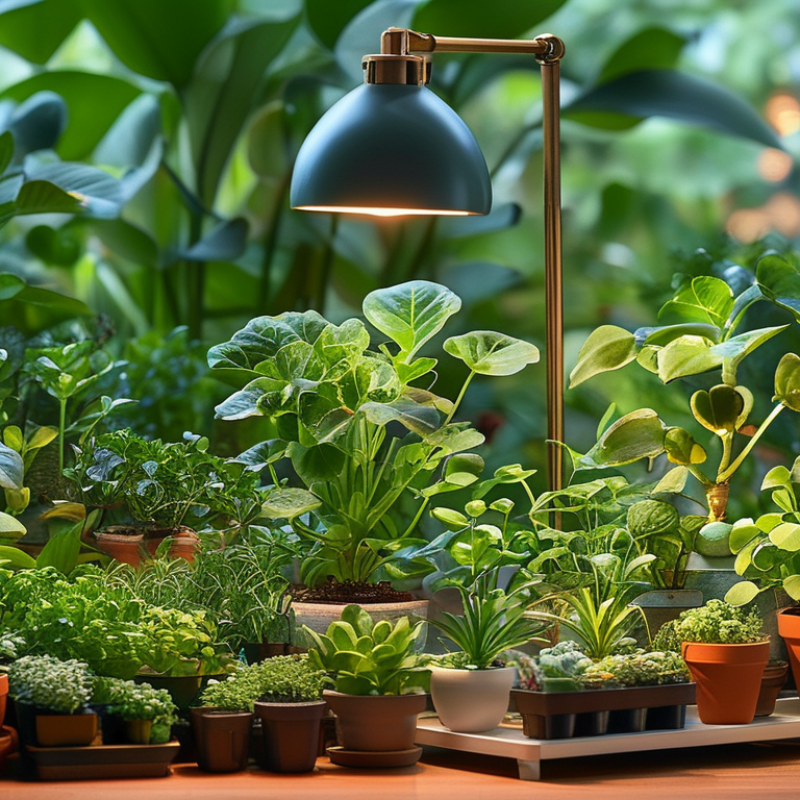
When choosing grow lights, understanding wattage is crucial. Wattage indicates the amount of energy a light consumes. Higher wattage typically means more intense light, which can boost plant growth. However, more wattage isn't always better. Overusing wattage can lead to heat stress in plants. It's essential to strike a balance.
Different plants have varying needs. For example, seedlings often thrive under lower wattage. They require gentle light. In contrast, flowering plants benefit from higher wattage, as they need more intense lighting. Not all spaces allow for high wattage lights due to heat buildup. If stay aware of space constraints, adjust wattage accordingly. Using reflectors can enhance light distribution, ensuring even coverage.
Selecting the right wattage may require trial and error. It's not a one-size-fits-all situation. Start with moderate wattage and observe plant responses. If they show signs of stunted growth, increase the wattage gradually. Keep an eye on temperature. This approach helps prevent potential issues. Adjusting wattage based on growth stages promotes healthier plants and better yields.
When selecting the right wattage for grow lights, it's crucial to consider the specific needs of the plants you intend to grow. Different species react variably to light intensity. For example, leafy greens thrive under 20-30 watts per square foot, while fruiting plants may require 40-50 watts per square foot. Understanding light spectrum and plant growth stages is essential. Research shows that young plants benefit from lower wattage, while mature plants need more.
Light duration is another factor. A shorter exposure may require higher wattage. Conversely, longer exposure can be maintained at lower wattage without harming plant growth. Evaluate your plant's requirements based on its natural habitat. Higher light-demanding plants, like tomatoes, need consistent, bright light. Experienced growers often recommend using adjustable wattage options for flexibility.
Tip 1: Examine your plant's growth habits. Research their light needs thoroughly. Tip 2: Use a light meter for accurate readings. It can help ensure you provide the right wattage. Reflecting on these aspects will assist in making informed decisions. Effective light management can significantly affect yield and plant health. Balancing wattage with other environmental factors leads to better growing outcomes.
Choosing the right wattage for grow lights is crucial for optimal plant growth. Calculating the ideal wattage largely depends on the size of your grow area. A common guideline suggests using around 20 to 30 watts per square foot of grow space. This means for a typical 4x4 grow area, you would need between 320 to 480 watts of light.
Factors like plant type and growth stage also influence wattage needs. For example, seedlings require lower light intensity, while flowering plants thrive under higher wattage. It's important to adjust your light source as plants grow. Not all areas are the same, and reflective surfaces can impact light distribution.
Tip: Always measure the area accurately to avoid under or over-lighting. Insufficient light can hinder growth, while too much light may cause stress. Consider supplementing with additional smaller lights in corners if your primary light source is not sufficient. Reviewing data from agricultural studies can provide insights into optimal wattage ranges specific to your plants. Remember, experimenting within these guidelines will help you find what works best.
| Grow Area Size (sq ft) | Recommended Wattage (W) | Light Type | Coverage Area |
|---|---|---|---|
| 2x2 (4 sq ft) | 100-200 W | LED | 2x2 ft |
| 2x4 (8 sq ft) | 200-400 W | HID | 2x4 ft |
| 4x4 (16 sq ft) | 400-800 W | CMH | 4x4 ft |
| 5x5 (25 sq ft) | 800-1000 W | LED | 5x5 ft |
| 10x10 (100 sq ft) | 1000-2000 W | HID/LED | 10x10 ft |
When selecting grow lights, understanding wattage is crucial. Different types of grow lights offer varying wattage options. For instance, LED grow lights typically range from 10 to 1000 watts. They are energy-efficient and provide the necessary light spectrum for plants. A 300-watt LED light is suitable for a small indoor garden, while larger setups may require 600 watts or more.
Fluorescent lights are another popular choice, generally ranging from 15 to 40 watts for standard T5 bulbs. These lights emit less heat and can be placed closer to plants. Studies indicate that using 40 watts per square meter can yield impressive results. Conversely, high-intensity discharge (HID) lights, particularly metal halide and high-pressure sodium types, often start at 250 watts. Reports suggest that these lights are powerful, but they also generate significant heat.
Balancing wattage and light type can be challenging. It is essential to assess your growing space and plant needs. Sometimes, growers may underestimate their wattage requirements, leading to poor plant growth. Always consider the square footage of your grow area. A thorough understanding of wattage per area will promote healthier plants.
Choosing the right wattage for grow lights is crucial for plant health. Different growth stages require different light intensities. For instance, seedlings thrive under lower wattage, around 20-40 watts per square foot. This lower intensity prevents seedlings from becoming leggy.
As plants enter the vegetative stage, lighting needs to increase. Many experts recommend between 30-50 watts per square foot during this phase. This ensures robust growth and optimal photosynthesis. Reports indicate that increasing the wattage effectively leads to a 20% boost in growth rates. Adjustments also vary by plant type. Leafy greens often need less wattage than fruit-bearing plants.
Flowering plants demand the highest wattage, around 50-70 watts per square foot. This increase supports bloom development and fruit production. However, simply increasing wattage isn't enough. Placement and light spectrum play significant roles. It's crucial to monitor plants closely. Adjustments may be needed based on their response to light. Overexposure can cause light stress, leading to burnt leaves. Understanding these nuances is key to effective growth management.
Understanding the appropriate wattage for grow lights is essential for optimizing plant health during various growth stages. The graph above illustrates the recommended wattage for seedlings, vegetative growth, flowering, and harvest stages, helping you make informed decisions for effective growth management.
: Wattage shows the energy a light consumes. Higher wattage generally means stronger light for plant growth.
Not necessarily. Too much wattage can cause heat stress, which harms plants. Balance is key.
Different plants have unique needs. Seedlings prefer lower wattage; flowering plants need higher wattage for better growth.
Consider heat buildup. Some areas may not support high wattage lights, affecting your plant health.
Start with moderate wattage. Observe your plants, and gradually adjust based on their growth responses.
Factors include plant type, growth stage, and light duration. Different plants have different light intensity requirements.
Knowing your plant's specific light needs helps prevent under- or overexposure. It promotes better growth and yields.
Use a light meter for accurate readings. Proper light management significantly boosts plant health.
Options include LED, fluorescent, and HID lights. Each type varies in wattage and heat production.
Underestimating wattage can lead to poor growth. It's essential to match wattage with your grow area accurately.
When considering how to choose the right wattage for grow lights, it’s essential to understand the basics of wattage as it relates to plant growth. Different plants have varying light requirements, influenced by their specific growth stages and environmental needs. Calculating the ideal wattage involves assessing the size of your grow area, ensuring that the light intensity is suitable for the types of plants being cultivated.
Additionally, it is crucial to compare the wattage options available across different types of grow lights, as this will allow for an informed decision based on effectiveness and efficiency. As plants grow, their lighting needs may change, so adjusting the wattage accordingly is necessary to promote optimal growth and health. By considering these factors, you can effectively select the wattage that best supports your indoor gardening endeavors.

Enova Lighting