Choosing the right wattage for grow lights is crucial for successful indoor gardening. With the rapid advancements in indoor horticulture technology, understanding light intensity becomes more important. In 2026, various factors influence our choices. Grow lights vary widely in wattage, and each plant has unique light needs.
Understanding how to choose the right wattage for grow lights involves knowing the specific requirements of your plants. For instance, leafy greens often require low wattage, while fruiting plants need more intensity. This knowledge can help optimize growth and yield.
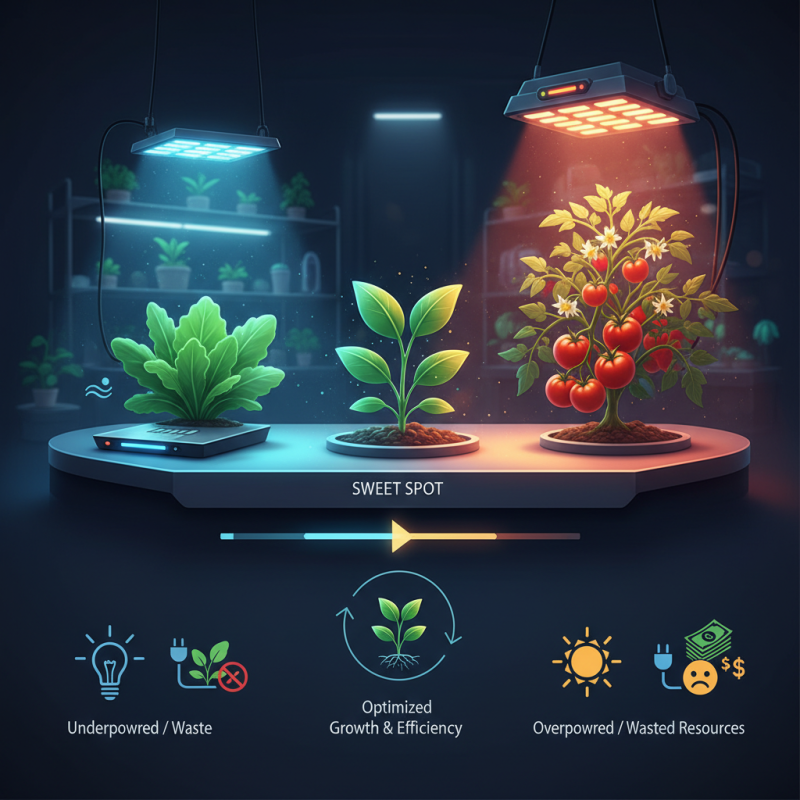
However, many gardeners overlook this critical aspect. They either overestimate their lighting needs or underutilize available technology. Experimenting with different wattages can lead to insights but can also result in wasted energy and resources. Finding that sweet spot between light output and energy efficiency demands careful thought.
Understanding the Importance of Wattage in Grow Light Selection
Wattage plays a crucial role in selecting grow lights for plants. It indicates how much energy the light consumes. Higher wattage can lead to brighter lights, but it isn’t always better. Different plants have varying light needs. This means that wattage requirements can differ significantly. For example, leafy greens often thrive under lower wattage. In contrast, fruiting plants may require higher output.
Understanding the specific needs of your plants is essential. Some growers overestimate the wattage needed. They purchase lights that are too powerful. This can lead to burnt leaves and stunted growth. It's important to research the ideal wattage for particular crops. Remember, not all plants react well to intense light. A balance between wattage and plant type must be found.
Reflecting on your unique setup is necessary. Consider the space available, the number of plants, and environmental factors. Wattage can often be misleading. Not all high wattage lights are equally effective. Measuring actual output is vital. Adapting your choices over time will improve your growing experience. Always be willing to adjust and learn from your setup.
How to Choose the Right Wattage for Grow Lights in 2026?
| Plant Type |
Recommended Wattage (per square foot) |
Ideal Light Spectrum |
Typical Uses |
| Leafy Greens |
20-30 watts |
Full spectrum |
Salads, herbs |
| Fruit-Bearing Plants |
30-50 watts |
Blue/Red spectrum |
Tomatoes, peppers |
| Flowering Plants |
40-60 watts |
Red spectrum |
Orchids, roses |
| Seedlings |
15-25 watts |
Blue spectrum |
Starting growth |
| Succulents |
10-20 watts |
Full spectrum |
Low maintenance |
Different Types of Grow Lights and Their Wattage Recommendations
Selecting the right wattage for grow lights is crucial for plant health. Different types of grow lights come with varying wattage recommendations. For instance, LED grow lights are energy-efficient, usually ranging from 100 to 600 watts. They emit specific wavelengths that plants need, which reduces energy waste.
Fluorescent lights, particularly T5 bulbs, are popular among indoor gardeners. Typically, they range from 24 to 54 watts per bulb. These lights work well for seedlings and leafy greens. However, they may struggle to provide enough intensity for fruiting plants. A common mistake is using low-wattage lights for high-demand crops like tomatoes.
HID lights are powerful options that typically run from 250 to 1000 watts. They can generate significant heat, so placement is vital. Many gardeners underestimate the distance needed to prevent overheating. A few reports suggest that increasing the wattage can lead to better yields, but higher consumption must be assessed against electricity costs.
Ideal wattage does not just push you to the maximum; it meets specific plant needs. Every gardener should evaluate their space and plant type to make informed decisions.
How to Calculate Ideal Wattage Based on Grow Space Size
Choosing the right wattage for grow lights is essential for optimal plant growth. The wattage required largely depends on grow space size. A common guideline suggests 32 watts per square foot for high-light plants. However, this can vary based on plant types and growth stages.
For example, if your grow space measures 4 feet by 4 feet, the total area is 16 square feet. Multiplying this by 32 watts gives you a total requirement of 512 watts. But remember, oversizing can lead to energy waste and heat issues. Some experts recommend starting with lower wattage and adjusting as you observe plant responses.
Additionally, light intensity and spectrum play crucial roles. Some plants thrive under lower wattage when given the right light spectrum. On the other hand, too much light can cause stress. It's crucial to observe plant behavior. If they exhibit signs of light stress, consider reducing wattage. Listening to your plants can often yield better results than sticking strictly to wattage charts.
The Effect of Plant Types on Required Grow Light Wattage
When choosing grow lights, plant types play a crucial role. Different plants have varying light requirements. Some thrive in low light, while others need intense lighting to flourish. For instance, leafy greens like lettuce require less wattage compared to flowering plants. A small area with herbs may only need 100 watts. On the other hand, a dedicated setup for tomatoes could require over 400 watts for optimal growth.
Understand the growth stage of your plants as well. Seedlings need gentle light, usually around 100 watts. As they mature, their needs increase. It's easy to overlook the balance of light intensity and duration. Too much light can stress plants, leading to poor growth. Alternatively, insufficient light can stunt development. Each plant type guides the way to adjust wattage effectively.
Reflecting on this explains why research is essential. Beginners might underestimate the specific light needs of their chosen plants. It’s not always clear how each type reacts. Conducting a bit of trial and error with wattage adjustments is often necessary. Observe your plants closely. Their health is the best indicator of whether you've found the right balance.
Future Trends in Grow Light Technology and Wattage Efficiency
In 2026, the landscape of grow light technology continues to evolve. As growers look for efficiency, wattage considerations are critical. The trend is shifting towards precision lighting systems. These systems adjust output based on plant growth stages. This means less waste and more targeted energy use.
Consumers should be aware that not all wattages yield the same results. Some lights may promise high output but fail to deliver on efficiency. This can lead to disappointment and higher energy bills. Understanding the spectrum of light is just as vital. Different plants require different wavelengths for optimal growth.
Innovations like smart grow lights are gaining traction. They use sensors to monitor plant health and adjust light intensity. While these technologies appear promising, they may not be affordable for every grower. It’s essential to weigh the benefits against the cost. Reflecting on personal experience can guide better choices in the future.
FAQS
: LED grow lights typically range from 100 to 600 watts. They are energy-efficient and target specific plant needs.
Fluorescent lights like T5 bulbs work well for seedlings and leafy greens, but struggle with fruiting plants.
Many gardeners use low-wattage lights for high-demand crops like tomatoes. This can lead to poor growth results.
HID lights usually range from 250 to 1000 watts. They generate heat, making proper placement essential for safety.
Higher wattage may boost yields, but energy costs must also be considered. It's not always the best choose.
Precision lighting systems adjust output based on plant growth stages. This approach reduces waste and optimizes energy use.
Different plants need various wavelengths for optimal growth. Not all lights provide the necessary spectrum.
Smart grow lights monitor health and adjust output. However, their cost may not be feasible for every grower.
Gardeners should evaluate their space, plant type, and wattage needs. Reflecting on past experiences can guide better choices.
Conclusion
Choosing the right wattage for grow lights is crucial for optimizing plant growth and energy efficiency. Understanding the importance of wattage in grow light selection involves recognizing how different types of grow lights, such as LED, fluorescent, and HID, have varying wattage recommendations based on their unique features and applications. To determine the ideal wattage for your setup, one must consider the size of the grow space and the specific light requirements of the plants being cultivated.
Additionally, it is essential to account for the types of plants, as different species have varying light intensity needs. As we look towards the future, trends in grow light technology point towards more efficient wattage usage, enhancing the effectiveness of indoor gardening. Therefore, comprehending how to choose the right wattage for grow lights not only facilitates healthy plant development but also contributes to sustainable gardening practices.

 Enova Lighting