Proper care of your LED grow panels is essential for optimal plant growth. When considering how to clean and maintain LED grow panels effectively, one must understand both the significance of maintenance and the practical steps involved. Dust and grime can accumulate quickly, reducing the light output and effectiveness of your panels. A simple, regular cleaning routine can extend their lifespan and maintain efficiency.
Cleaning your panels requires attention to detail. It's not just about wiping the surface. It's crucial to avoid damaging the components. Using the right materials is vital—soft cloths and gentle cleaners are best. Many growers overlook this simple task, leading to poor performance and frustrated results.
Beyond cleaning, regular checks for any signs of wear or malfunction are equally important. A proactive approach can prevent significant issues down the line. The question remains, how prepared are you to take these essential steps? Understanding how to clean and maintain LED grow panels will lead to thriving plants and a productive growing environment.
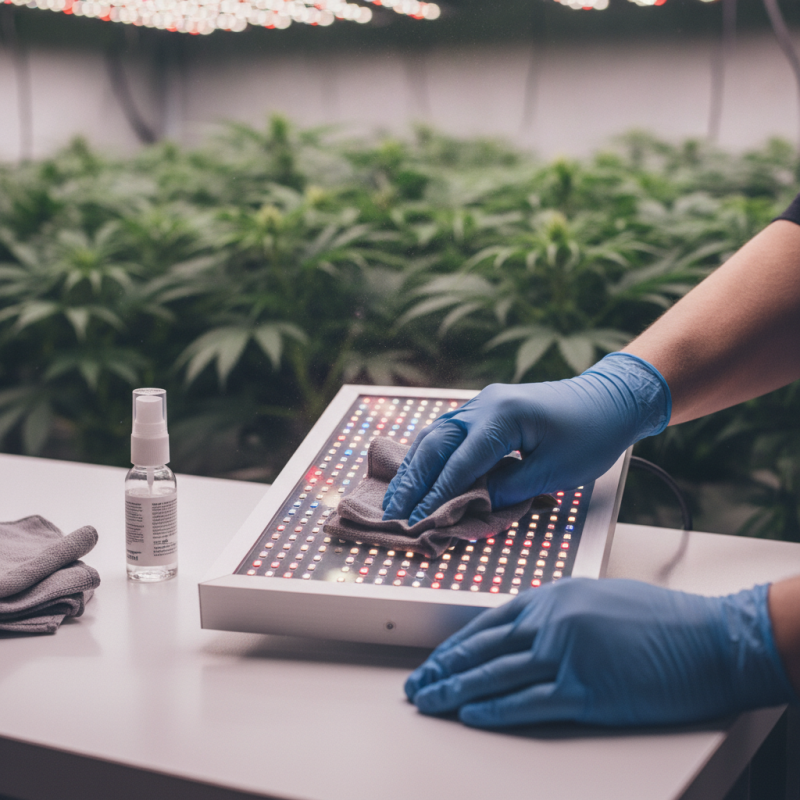
Before cleaning your LED grow panels, safety must come first. Disconnecting the panels correctly is crucial to avoid electrical hazards. Begin by turning off the power supply. Locate the switch or circuit breaker that controls the grow lights and make sure they are completely off. This prevents any accidental activation during cleaning.
Next, unplug the panels from the power source. Grip the plug firmly and pull it out without yanking on the cord. This ensures that you do not damage the cord or create a short circuit that could result in a fire hazard. If your panels are hardwired, consider hiring a professional to disconnect them safely. Never attempt to handle electricity if you’re unsure of the process.
Once disconnected, inspect the panels for any visible signs of damage. Look for frayed cords or burnt-out bulbs. If something appears off, it’s better to consult a professional technician before proceeding. Remember, the goal is to maintain a safe environment while enhancing the lifespan of your grow panels. Cleaning is essential, but safety comes first.
Maintaining LED grow panels requires specific tools and materials to ensure longevity and efficiency. Start with a microfiber cloth. This cloth is gentle and highly effective for wiping off dust and residues. Use distilled water mixed with a mild soap for cleaning. This solution safely removes dirt without harming sensitive electronics.
A soft-bristle brush is beneficial for hard-to-reach areas. This brush removes accumulated debris from fans and vents. Avoid aggressive scrubbers, as they can scratch surfaces. Isopropyl alcohol is excellent for disinfecting panels. It evaporates quickly and leaves no residue behind. Always wear gloves to protect your skin when handling cleaning solutions.
Reviewing your cleaning routine is essential. Some growers may neglect certain sections of the panel. Regularly inspect the fixtures for any signs of wear or damage. Replace any faulty components promptly to ensure optimal performance. Reflect on your cleaning frequency; too little can lead to reduced light output. Finding the right balance is crucial for maintaining plant health.
Cleaning LED grow panels is essential for optimal plant growth. Dust, dirt, and residue can hinder light output. According to the National Renewable Energy Laboratory, reducing light blockage can increase energy efficiency by 10-20%. Regular cleaning keeps your panels operating at their best.
Start with the right materials. A microfiber cloth is gentle yet effective. Avoid harsh chemicals that may damage the panel surface. Use a mixture of water and isopropyl alcohol for the best results. Lightly dampen the cloth, then wipe the surface in a circular motion. Never apply liquid directly to the panel. This prevents moisture seepage into electrical components.
Consider cleaning frequency. Grow environments can vary. Some may require weekly cleaning, while others may need bi-weekly attention. Monitor panel performance closely. If growth appears stunted, it may be time to inspect and clean. Taking proactive steps ensures that your plants receive the light they need for healthy growth. It’s a small effort that can lead to significant results.
Cleaning LED grow panels is crucial for maintaining their efficiency. Dust and grime can accumulate on the panels, blocking light and reducing plant growth. According to industry research, maintaining clean panels can boost light penetration by up to 20%, significantly enhancing photosynthesis. This data emphasizes the importance of regular cleaning to ensure optimal performance.
Recommended cleaning solutions include a mix of distilled water and mild soap. Avoid harsh chemicals that may damage sensitive components. Use a soft cloth to gently wipe the surface. Always unplug the panels before cleaning to ensure safety. Another tip is to clean the panels monthly, especially during high dust seasons or in enclosed growing spaces.
Regular maintenance contributes to the longevity of your LED grow panels. Overlooking this task may lead to reduced light output and poor plant health. It's essential to use the right tools and techniques. If you notice any persistent stains, consider using isopropyl alcohol for a more thorough clean. However, always test a small area first. Equipping yourself with these best practices ensures your plants receive the optimal light they need for growth.
Proper maintenance of LED grow panels is essential for their longevity and performance. Regular checks can help identify issues early. Aim to inspect your panels every few weeks. Clear any dust or debris that may accumulate on the surface. A soft, dry cloth is efficient for cleaning. Avoid using harsh chemicals, as they can damage the panel's finish.
It's important to consider the environment where the panels operate. Humidity and temperature fluctuations can affect their lifespan. Make adjustments accordingly. Also, check the electrical connections regularly. Loose wires could lead to malfunctions.
In a busy growing schedule, maintenance can slip through the cracks. It's common to overlook small tasks. However, consistency is critical. Reflect on your routine. Are you giving your LED panels the attention they deserve? Your plants depend on light quality, which starts with well-maintained equipment.
| Maintenance Task | Frequency | Duration | Notes |
|---|---|---|---|
| Dusting and Cleaning | Every 1-2 weeks | 10-15 minutes | Use a soft cloth or microfiber cloth to avoid scratches. |
| Check Wiring and Connections | Monthly | 10 minutes | Ensure all connections are tight and inspect for wear. |
| Inspect for Damage | Quarterly | 15-20 minutes | Look for cracks or signs of overheating. |
| Replace Vibration Pads | Annually | 30 minutes | Helps to reduce noise and protect the equipment. |
| Software Updates (if applicable) | As needed | Varies | Always ensure the panel firmware is up-to-date. |
: Start by turning off the power supply. This helps prevent electrical hazards.
Grip the plug firmly and pull it out gently. Avoid yanking the cord to prevent damage.
It’s best to hire a professional for safe disconnection. Don’t risk handling electricity yourself.
Inspect for frayed cords or burnt-out bulbs. If you see any issues, consult a technician.
Cleaning boosts light penetration and enhances photosynthesis by up to 20%. This supports healthy plant growth.
A mix of distilled water and mild soap works best. Avoid harsh chemicals that can cause damage.
Monthly cleaning is recommended, especially in dusty conditions or enclosed spaces.
You can use isopropyl alcohol for tough stains. Test a small area first to avoid damage.
Neglect can reduce light output and harm plant health. Regular maintenance is essential for optimal performance.
Always unplug the panels before cleaning. This safeguards against accidents during the process.
In the article "How to Clean and Maintain Your LED Grow Panels Effectively?", readers are guided through essential steps to ensure the longevity and efficiency of their grow panels. The first crucial step involves safely disconnecting the panels before cleaning, which prevents any electrical hazards. The article emphasizes the importance of gathering essential tools and materials to facilitate a thorough maintenance process.
A detailed step-by-step guide is provided for cleaning the surface of LED grow panels, ensuring optimal performance and removing any buildup that may affect their efficiency. Additionally, it suggests recommended cleaning solutions that are safe and effective for this purpose. Lastly, the article outlines best practices for determining the frequency of maintenance, helping users understand how to clean and maintain LED grow panels effectively for long-lasting use.

Enova Lighting