In the world of indoor gardening, understanding "how far should grow lights be from seedlings" is crucial for optimal plant development. Research indicates that the spacing can significantly impact seedlings' health and growth rates. The University of Massachusetts Extension suggests maintaining a distance of 6 to 12 inches between the light source and the plant tops to prevent light burn and ensure sufficient light intensity.
Different plants require varied light levels, complicating this distance further. For example, light-needy species like tomatoes may thrive closer to lights, while others like lettuce prefer a bit more space. According to a study by the American Society for Horticultural Science, light intensity exceeding 1,000 µmol/m²/s can stress seedlings if they are too close to the source.
Again, growers must strike a balance; too far can lead to elongated, weak plants. Monitoring plant responses is essential. Actions may vary with different growth stages, and plant types can influence results. Therefore, experimentation and close observation are key to achieving the perfect setup for successful germination and growth.
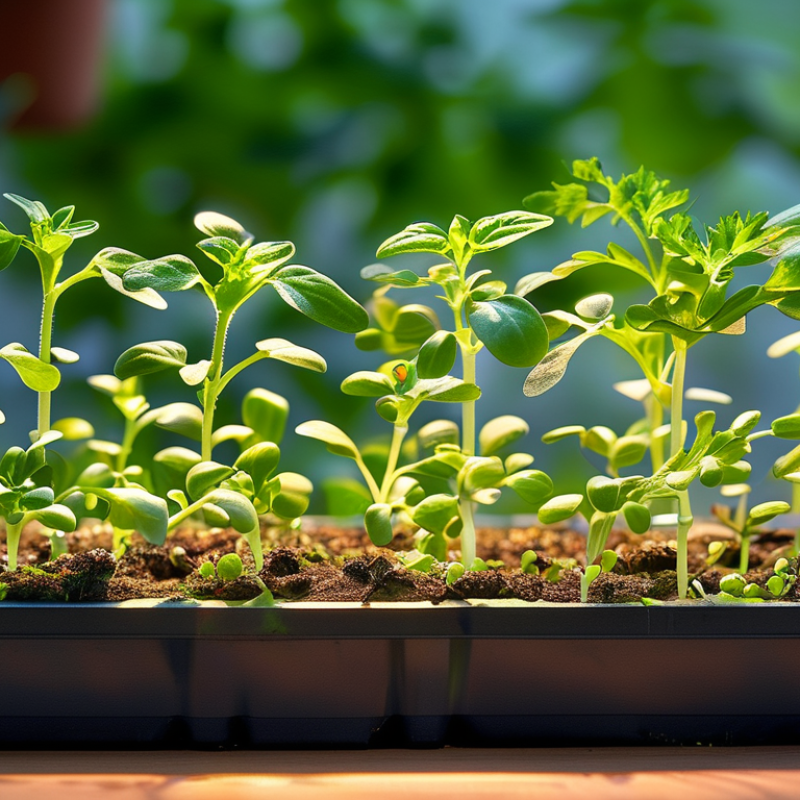
Understanding the Importance of Light Distance for Seedlings
Light distance plays a crucial role in seedling growth. When seedlings are too far from grow lights, they may become leggy and weak. Conversely, if the lights are too close, seedlings can get burned. Finding the right balance is key to healthy development.
When placing grow lights, start with a distance of around 12 to 24 inches above the seedlings. This distance allows for ample light without overwhelming the young plants. Monitor them closely, checking for signs of stress. If the leaves turn yellow or curl, adjust the height of the lights. Be ready to tweak the setup; every plant is different.
Remember, seedlings need consistent light. It promotes strong stems and vibrant leaves. However, observation is essential. Take notes on how your seedlings respond to the light distance. Adjustments may be necessary as they grow. Experimentation can yield surprising results, so stay engaged with your plants.
Factors Influencing Optimal Grow Light Distance
The optimal distance between grow lights and seedlings varies based on several factors. Light intensity, type of plant, and stage of growth are crucial. For instance, seedling-friendly lights should generally be positioned 12 to 24 inches above the plants. A study by the American Society for Horticultural Science highlights that light too close can cause leaf burn, while light too far can result in leggy growth due to insufficient light exposure.
Temperature is another critical aspect. Grow lights generate heat, which can stress young plants. Keeping ambient temperatures around 70-75°F is ideal. A report from the University of Florida emphasizes that temperature fluctuations can hinder seedling development. Additionally, humidity levels should be monitored, as low humidity can dry out delicate seedlings quickly.
Experimentation is often necessary. Each plant species has its own preferences. Some growers suggest starting with lights further away, gradually lowering them as seedlings grow. This method allows you to find the best position based on the specific plant’s response. Observing how plants react can guide you, as not all plants will thrive under the same conditions. Adapting based on your unique environment is key for optimal growth.
Recommended Distances for Different Types of Grow Lights
When using grow lights, distance to seedlings matters greatly. Different types of lights emit varying intensities and wavelengths. Therefore, adjusting the height is crucial for optimizing growth. For fluorescent lights, a distance of 2 to 4 inches is ideal. This positioning ensures that seedlings receive sufficient light without overheating.
LED grow lights, on the other hand, should be placed about 12 to 24 inches away. Their strength can be intense, so adequate space helps prevent stress on young plants.
Consider these tips. Observe your seedlings regularly. If leaves begin to yellow or curl, the lights may be too close. Adjust accordingly to maintain healthy growth. Remember to rotate your seedlings if they lean toward the light. This promotes even growth and prevents them from becoming leggy.
It's worth noting that environmental factors also play a role. Humidity can affect light absorption, while temperature influences overall health. Always check your setup. Fine-tuning the distances and conditions can lead to better results. Regular adjustments and observations can lead to a successful growing experience.
Signs of Light Stress in Seedlings and Adjusting Distance
Light stress in seedlings can significantly hinder their growth. It is essential to monitor light distance to avoid such stress. The ideal distance between grow lights and seedlings often ranges from 12 to 24 inches, depending on the light intensity. For instance, LED lights generally require a greater distance than fluorescent lamps due to their higher intensity. Neglecting these guidelines can lead to light stress, which manifests in several ways.
Signs of light stress include leaf curling, bleaching, and stunted growth. Seedlings may also exhibit dark green leaves or elongated stems, known as etiolation, indicating they are stretching toward the light source. According to industry reports, overexposure to light may lead to reduced photosynthesis efficiency, diminishing overall plant health and productivity. Therefore, adjusting the distance based on signs of stress is crucial for optimal growth.
Monitoring environmental factors such as temperature and humidity is equally important. A sudden change in light distance can shock seedlings, causing further stress. Observing your seedlings closely provides valuable feedback. Use a ruler to measure light distance accurately. Small adjustments can make a notable difference in their development, increasing your chances of a successful harvest. Paying attention to these factors helps in cultivating healthy seedlings.
Optimal Distance of Grow Lights from Seedlings
This chart illustrates the optimal distance for grow lights from seedlings to achieve the best growth rates. The data indicates that the ideal distance for maximum growth is approximately 6 inches, with growth tapering off at distances further away.
Best Practices for Monitoring Seedling Growth Under Lights
When using grow lights for seedlings, proper distance is critical for optimal growth. Seedlings need enough light to thrive, yet too much can cause stress. Observing your plants closely will help you find the right balance.
Monitor your seedlings daily. Look for signs of stretching, which indicates they need more light. Yellowing leaves may suggest too much exposure. Keep a journal to track changes. This practice will enhance your understanding of your plants’ needs.
**Tips:** Adjust light height based on growth patterns. Consider using a ruler to maintain consistent distance. Investing time in monitoring will pay off; plants respond to care. Think about experimenting with different heights to see how your seedlings react. Each type of seedling has unique preferences, so be ready to adapt your methods.
FAQS
: Light distance affects seedling growth. Too far causes legginess, too close risks burning.
Start with grow lights 12 to 24 inches above seedlings. This promotes healthy growth.
Look for yellowing or curling leaves. These indicate stress from light exposure.
Daily monitoring is best. Check for signs of stretching or other symptoms of stress.
Yes, maintaining a journal helps. Record changes to improve understanding of their needs.
Use a ruler to measure and adjust the height. Experiment with different distances.
Consistent light promotes strong stems and vibrant leaves, leading to healthier plants.
Yes, experimentation can yield surprising results. Adapt based on each seedling's response.
Reflect on your methods. Adjust light distance and monitor closely for better results.
No, each type of seedling has unique preferences. Be prepared to adapt your approach.
Conclusion
In the process of nurturing seedlings, understanding "how far should grow lights be from seedlings" is crucial for optimal growth. The distance at which grow lights are positioned can significantly affect the health and development of young plants. Factors such as the type of grow light being used, the stage of seedling growth, and the specific light intensity play a key role in determining the correct distance. For instance, LED lights often require a different distance compared to fluorescent or HID lights to prevent light stress and ensure adequate light exposure.
Monitoring seedlings for signs of light stress, such as bleaching or stretching, can help in adjusting the light distance accordingly. Best practices include regularly checking the development of seedlings and being ready to modify light positions as needed. By adhering to these guidelines, growers can create the ideal environment for seedlings to thrive under artificial lighting.

 Enova Lighting