Can Grow Lights Harm Your Eyes in Indoor Gardening?

Time:2026-07-03 Author:Sienna
0%

Indoor gardening is gaining popularity as a way to grow plants at home. However, many enthusiasts wonder, "Can grow lights hurt your eyes?" According to Dr. Emily Chen, an ophthalmologist specializing in light exposure, "Prolonged exposure to high-intensity grow lights can potentially lead to eye fatigue and discomfort."

The bright spectrum emitted by these lights, especially LED and HID varieties, can be intense. Indoor gardeners often underestimate how close they sit to these sources of light. Users may not realize that their eyes are directly affected. Dr. Chen emphasizes the importance of eye protection, stating that "taking breaks and using protective eyewear can mitigate risks."

Choosing the right grow lights involves balancing plant health and personal safety. Limited awareness exists about the long-term effects of artificial lighting on vision. Gardeners should reflect on their setup, considering both the health of their plants and their own eye care. Taking proactive measures can enhance both the gardening experience and eye safety.
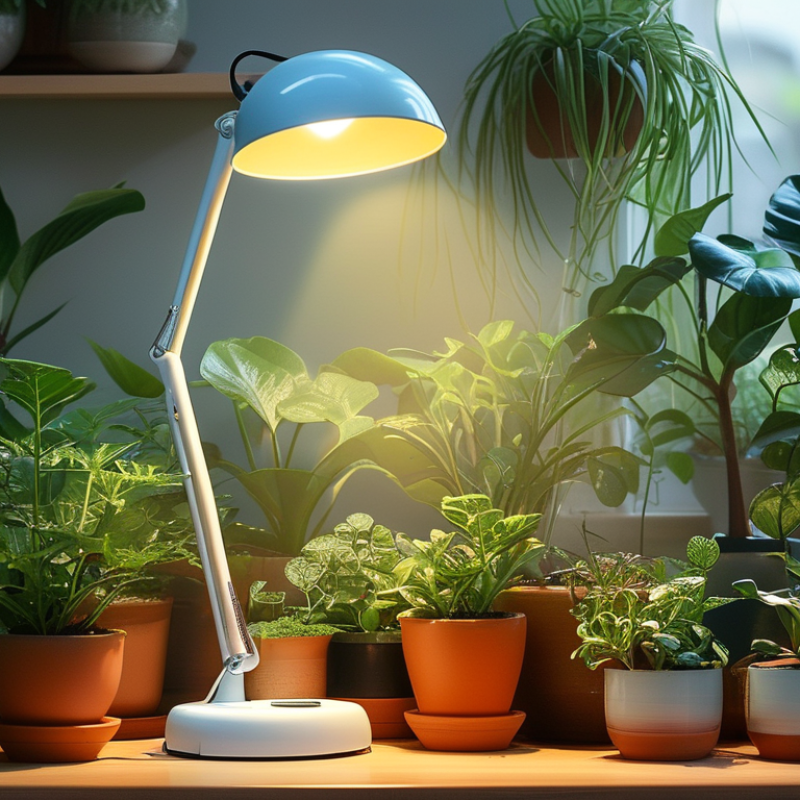
Can Grow Lights Harm Your Eyes in Indoor Gardening?

Understanding Grow Lights: Types and Their Uses in Indoor Gardening

Grow lights are essential for indoor gardening. They provide the necessary light spectrum plants need to thrive. There are various types of grow lights available, each with its unique advantages. LED lights are energy-efficient and long-lasting. They produce less heat, making them safe for close plant placement. Fluorescent lights are also common and work well for seedlings. They are affordable and widely accessible.

With different uses, growers can select lights based on their plants' needs. Full-spectrum grow lights support all growth stages. Some specialized lights focus on specific wavelengths. For example, red light encourages flowering, while blue light promotes leafy growth. However, it's crucial to choose the right intensity and duration. Overexposure can stress plants and lead to poor growth.

While these lights are beneficial, they can also pose risks to eyes. Spending too much time near them may cause discomfort. It's wise to use protective eyewear if you work closely with grow lights. Reflections from surfaces can intensify their brightness. Observing the effects on your eyes can help in making necessary adjustments. Always prioritize safety while fostering your indoor garden.

Can Grow Lights Harm Your Eyes in Indoor Gardening?

Light Type Spectrum Potential Eye Harm Recommended Use Distance from Plants
LED Full Spectrum Low Vegetative & Flowering Stages 12-24 inches
Fluorescent Cool & Warm White Negligible Seedlings & Soft Plants 6-12 inches
HID High & Low Pressure Moderate Large Plants & Yields 24-36 inches
Incandescent Warm Light Low Supplemental Lighting 12-24 inches

The Potential Risks of Grow Lights to Eye Health

Indoor gardening has gained popularity, but the use of grow lights raises concerns for eye health. Research indicates these lights emit high levels of blue light. Prolonged exposure can lead to digital eye strain. A study found that 50% of adults experience symptoms like discomfort and blurred vision after staring at screens or bright lights for too long.

The American Academy of Ophthalmology suggests limiting exposure to harmful wavelengths. While grow lights can benefit plant growth, users should take caution. The intensity of light can vary, potentially affecting visual comfort. Many individuals report experiencing headaches and fatigue when frequently using bright artificial lights.

Optometrists recommend wearing protective eyewear specifically designed for blue light protection. Adjusting the brightness and duration of exposure can help mitigate risks. It's essential to create a balanced environment that protects both your plants and your vision. Keeping a safe distance from direct light sources is advisable. Each indoor gardener should be mindful of their eye health as they cultivate their green spaces.

Common Symptoms of Eye Strain from Grow Light Exposure

Indoor gardening has become a popular hobby, but grow lights can pose risks to our eyes. Exposure to these bright lights can lead to uncomfortable symptoms. Some common signs of eye strain include dryness, fatigue, and blurred vision. These issues may not seem serious but can add up over time.


Many indoor gardeners spend hours under grow lights. They might notice their eyes feeling heavy or strained. This constant exposure can cause long-term effects. Some may experience headaches or sensitivity to light. It’s important to take regular breaks to reduce strain.


Using protective eyewear can help mitigate these symptoms. However, not everyone is aware of the potential risks. Some gardeners might dismiss eye discomfort as a minor issue. Ignoring these signs can lead to more significant problems later. Awareness and preventive measures are crucial for maintaining eye health while enjoying the benefits of indoor gardening.

Preventive Measures for Safeguarding Eyes During Indoor Gardening

Indoor gardening is a rewarding hobby, but it’s important to protect your eyes from grow lights. High-intensity lights can cause discomfort. Prolonged exposure may lead to vision problems. Being aware of the risks is the first step in safeguarding your precious eyesight.

One effective preventive measure is to use UV-blocking glasses. These lenses can filter out harmful rays from grow lights. Some people find them uncomfortable. Making sure they fit snugly can help. Proper positioning of grow lights is essential, too. Positioning them at a distance can reduce eye strain.

Finally, taking regular breaks is crucial. Staring at bright lights can cause fatigue. Try looking away every 20 minutes. This simple habit can ease discomfort. Remember, the health of your eyes should be a priority. Protecting them allows you to enjoy your indoor gardening for years to come.

Best Practices for Safe Use of Grow Lights in Home Environments

Grow lights can be a game-changer for indoor gardening. However, they pose risks if not used properly. According to the American National Standards Institute (ANSI), prolonged exposure to certain wavelengths can lead to eye strain or even damage. Blue and ultraviolet (UV) light can be particularly harmful. The effects might not be immediate but can accumulate over time.

To ensure safety while using grow lights, adhere to some best practices. Maintain a distance between your eyes and the light source. For many types of grow lights, a distance of at least two feet is recommended. This helps reduce the intensity of light exposure, especially from UV sources. In addition, consider using protective eyewear designed for high-intensity lights. Some studies suggest that this can significantly minimize the risk of retinal damage.

Incorporating breaks is crucial for eye health. Staring at grow lights for extended periods can tire your eyes. The 20-20-20 rule is a good strategy: every 20 minutes, look at something 20 feet away for 20 seconds. Regular eye check-ups are also advisable. These steps can help you enjoy your indoor gardening experience while safeguarding your vision.

Impact of Grow Light Exposure on Eye Health

This chart illustrates the percentage of individuals reporting eye discomfort based on different durations of grow light exposure in hours per week. Data points reflect common findings from studies on indoor gardening practices.

FAQS

: What are the main risks of using grow lights for indoor gardening?

: Grow lights emit high levels of blue light, which can lead to digital eye strain.

What symptoms might indicate eye strain from grow lights?

Common symptoms include dryness, fatigue, blurred vision, and sensitivity to light.

How can I protect my eyes while using grow lights?

Wear protective eyewear designed for blue light. Also, adjust brightness and exposure time.

What is the recommended distance from grow lights?

It’s advisable to keep a safe distance from direct light sources to reduce strain.

How often should I take breaks when using grow lights?

Taking breaks every 20 minutes is helpful. It can ease discomfort and reduce fatigue.

Can using UV-blocking glasses really make a difference?

Yes, they filter out harmful rays but may feel uncomfortable for some users.

Why do many gardeners ignore eye discomfort?

Some may dismiss discomfort as minor, but ignoring it can lead to significant issues later.

Is the intensity of grow lights consistent for everyone?

No, light intensity can vary, affecting visual comfort for different users.

Can prolonged exposure to grow lights cause long-term problems?

Yes, continuous exposure may lead to vision problems and chronic discomfort over time.

What should be my priority when gardening indoors?

Prioritize eye health to enjoy indoor gardening without risks to your vision.

Conclusion

The article "Can Grow Lights Harm Your Eyes in Indoor Gardening?" explores the different types of grow lights and their applications in indoor gardening, while also addressing the potential risks they pose to eye health. It explains that exposure to certain wavelengths and intensities of light can lead to symptoms of eye strain, such as discomfort and visual disturbances.

To ensure safety while using grow lights, the article emphasizes the importance of implementing preventive measures, such as wearing protective eyewear and maintaining an appropriate distance from the lights. Best practices for their safe use in home environments are also provided, helping indoor gardeners enjoy their hobby without compromising their eye health. Ultimately, the article confirms that while grow lights can enhance plant growth, one must be cautious and informed about how they can potentially harm your eyes.

Sienna

Sienna

Sienna is a skilled marketing professional with a deep expertise in our company’s core products and services. With a passion for innovation and detail, she plays a pivotal role in crafting insightful blog posts that not only highlight the unique features of our offerings but also provide valuable......