Top 10 Ways to Hang Bar Grow Lights Safely at Home

Time:2026-05-28 Author:Oliver
0%

Hanging bar grow lights safely at home is crucial for successful indoor gardening. John Smith, an expert in horticulture, emphasizes, "Safety should never be compromised when setting up grow lights." Proper installation prevents accidents and ensures plants receive optimal light without hazards.

Many gardeners overlook this step. They may rush to hang lights, risking both safety and plant health. Understanding how to hang bar grow lights safely can make a significant difference. Taking time to plan the setup reflects a commitment to both safety and gardening success.

Using appropriate hardware is key. For instance, adjustable hangers allow for flexibility as plants grow. Always check the weight capacity of the hanging system. Overloading can lead to equipment failure. Proper ventilation around the lights is equally important. It prevents overheating and promotes a healthy growth environment. Remember, taking a few extra moments for safety pays off in the long run.
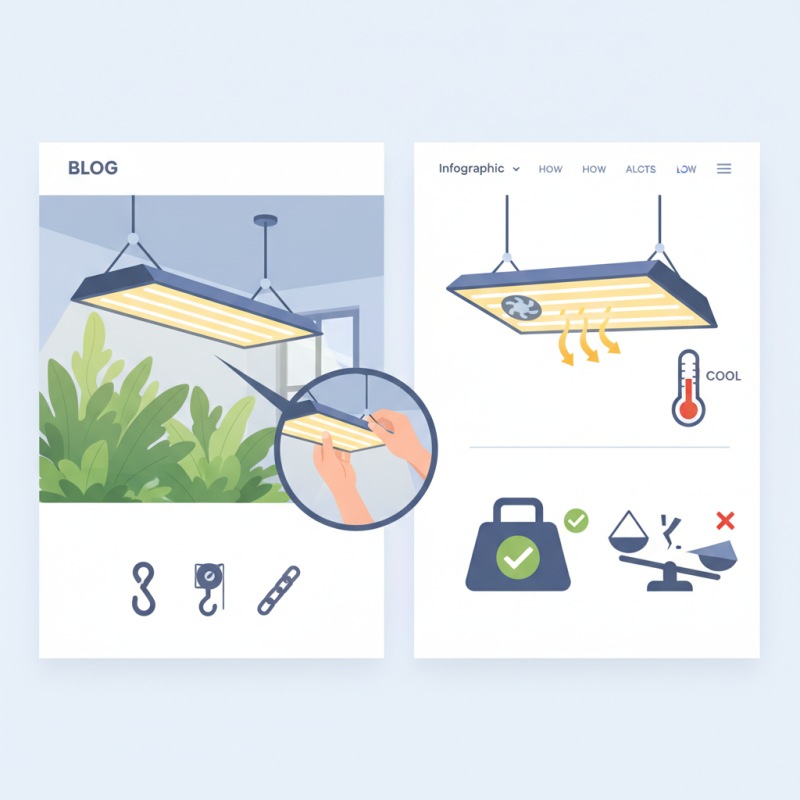
Top 10 Ways to Hang Bar Grow Lights Safely at Home

Top 10 Essential Safety Tips for Hanging Bar Grow Lights at Home

Hanging bar grow lights effectively requires attention to safety. One of the first steps is ensuring that the lights are securely fastened. Use sturdy hanging hardware that can support the weight of the light. Check the manufacturer's recommendations for weight limits. This can prevent accidents and damage.

Another crucial tip involves proper wiring. Ensure that all electrical connections are snug and secure. Avoid using frayed or damaged cords. It's advisable to use extension cords rated for the wattage of the lights. If uncertain, consulting an electrician is wise. This precaution helps to reduce fire hazards in your home.

Consider the height at which you hang the lights. Too low can risk burns to plants; too high can limit light penetration. Measure the distance between the lights and the plants. Regular evaluations can help find the right balance. Remember, trial and error is a part of the process. Taking time to rethink your setup can lead to better outcomes for your indoor garden.

Top 10 Ways to Hang Bar Grow Lights Safely at Home - Top 10 Essential Safety Tips for Hanging Bar Grow Lights at Home

Tip Number Safety Tip Description
1 Use Sturdy Hooks Ensure hooks are rated for the weight of the lights to prevent falling.
2 Check Electrical Safety Inspect wiring and ensure connections are secure to avoid short circuits.
3 Keep Away from Water Avoid placing lights near water sources to reduce shock hazards.
4 Secure Cables Use cable ties or clips to prevent tripping hazards and damage.
5 Install in a Ventilated Area Ensure airflow around lights to prevent overheating.
6 Use Adjustable Hangers Allows for height adjustments as plants grow, ensuring optimal light exposure.
7 Follow Manufacturer Guidelines Always adhere to specifications to maintain warranty and safety standards.
8 Be Mindful of Heat Generation Keep plants at a safe distance from lights to avoid burn.
9 Use a Timer Automate light cycles to mimic natural sunlight and conserve energy.
10 Regular Maintenance Clean fixtures and check for wear to ensure longevity and performance.

Understanding the Importance of Height and Light Coverage for Plant Health

When hanging bar grow lights, height and coverage are crucial for plant health. The distance between lights and plants directly affects growth. If the lights are too high, plants won’t receive enough light. If they are too low, they risk being scorched. Finding the right balance requires some trial and error.

Proper light coverage ensures that every part of your plants benefits. Different plants have different light needs. For example, seedlings require less intense light compared to mature plants. Adjust each light's angle and height based on your specific plants' requirements. Measuring light distribution can be tricky, and it may take a few adjustments to get it right.

Consider the environment around your plants. Factors like room size, wall color, and other light sources all affect how plants respond. Not every setup will yield ideal results the first time. Sometimes, the real test is observing your plants over time. They will show you if adjustments are needed.

Evaluating Different Hanging Methods: Hooks, Chains, and Adjustable Systems

When hanging bar grow lights, choosing the right method is crucial for safety and effectiveness. Many home growers opt for hooks, chains, or adjustable systems. Each method has its pros and cons. For instance, hooks are easy to install and generally hold well, but they may not accommodate changes in height. On the other hand, adjustable systems allow flexibility, which is vital as plants grow. A study from the American Society for Horticultural Science notes that proper light distance improves plant growth by up to 25%.

Chains are also popular for their strength and versatility. They can support heavier lights and allow for quick adjustments. However, improper placement can lead to fallen lights or injury. According to recent industry reports, over 30% of growers face challenges with light stability. This highlights the importance of secure installations. Whether you use hooks, chains, or adjustable systems, ensure they are reliable and safe. Regularly check for wear and tear, especially in chains, to prevent accidents.

As home growers experiment with different methods, reflections on what works best are essential. Finding the balance between convenience and security is key. Sometimes, the simplest solutions like using sturdy hooks can outperform more complex systems. Always prioritize safety in your hanging setup to encourage healthy plant growth and avoid mishaps.

Safety Precautions: Weight Limits and Load-Bearing Considerations

When installing bar grow lights in your home, weight limits and load-bearing considerations are crucial. These lights can be heavy, especially when combined with mounting hardware. Before starting, assess the strength of your ceiling or wall. Knowing the load limit is vital to prevent accidental damage or collapse.

Consult with a structural engineer if needed. They can provide insight into the maximum weight your setup can support. Use appropriate anchors, screws, and brackets that match the weight of the lights. Sometimes, DIY solutions may seem ideal, but poorly secured lights can lead to hazards.

Keep in mind that your lighting setup may need adjustments over time. Monitor for signs of strain or wear. Regularly check the mounting points to ensure they remain secure. Reflect on your initial setup and be prepared to make changes if necessary. Safety should always be the top priority in creating a growing environment for your plants.

Weight Limits for Hanging Bar Grow Lights

Proper Electrical Setup: Avoiding Fire Hazards with Grow Light Installation

When setting up grow lights at home, electrical safety is crucial. Proper installation prevents fire hazards while ensuring optimal plant growth. Start by checking your home’s electrical capacity. Grow lights can consume significant power, which may overload circuits. Use dedicated circuits for high-wattage lights to avoid potential issues.

Cable management is just as important. Ensure cords are secured and away from water sources. Use cable organizers or clips to keep wires tidy. Avoid daisy-chaining multiple lights, as this increases the risk of overheating. Plug grow lights directly into wall outlets whenever possible. This minimizes fire dangers and keeps your setup efficient.

Consider the placement of your grow lights too. Keep them at appropriate distances from combustible materials. Ensure they are mounted securely to avoid accidental falls. A stable setup reduces the chance of electrical shorts. Regularly inspect connections and cords for wear or damage. Taking these steps enhances safety and protects your home while supporting your plants’ growth.

FAQS

: What are common methods to hang bar grow lights?

: Common methods include hooks, chains, and adjustable systems. Each has benefits and drawbacks.

Why are adjustable systems recommended?

Adjustable systems offer flexibility as plants grow. This adaptability is vital for effective lighting.

What are the risks of using hooks?

Hooks are easy to install but may not support height adjustments, leading to potential issues.

How can chains benefit bar grow light installations?

Chains provide strength and allow quick adjustments. However, improper placement can cause safety hazards.

What safety checks should be made for lighting setups?

Regularly inspect for wear, check mounting points, and ensure lights are secure to prevent accidents.

How important are weight limits in installations?

Understanding weight limits is crucial. Overloading can cause damage or collapse, so assess your setup properly.

Should I consult with a professional before hanging lights?

Yes, consulting a structural engineer can help determine if your setup can support the weight safely.

What maintenance do lighting setups require?

Monitor for signs of strain, and be open to adjusting the setup over time for safety.

Can simple solutions be effective?

Sometimes, the simplest methods, like sturdy hooks, can be more reliable than complex systems.

What is the key reflection for home growers when installing lights?

The balance between convenience and security is essential for a safe and effective growing environment.

Conclusion

When considering how to hang bar grow lights safely at home, it's essential to follow key safety tips that ensure both plant health and the integrity of your living space. Start by understanding the optimal height and light coverage necessary for your plants, which directly affects their growth. Evaluate various hanging methods such as hooks, chains, and adjustable systems, each offering unique benefits depending on your setup.

Additionally, always adhere to safety precautions regarding weight limits and load-bearing capacities to prevent accidents. Proper electrical setup is crucial to avoid fire hazards associated with grow light installation. By integrating these considerations, you can create a safe and effective environment for your indoor gardening endeavors.

Oliver

Oliver

Oliver is a seasoned marketing professional with a wealth of expertise in driving brand awareness and engagement. With a deep understanding of our company's product offerings, he consistently delivers high-quality content that enriches our professional blog. His insights not only shed light on......