How Many Hours of Light Do Indoor Vegetables Need for Growth?

Time:2026-08-17 Author:Sophia
0%

Growing indoor vegetables can be a rewarding experience. One of the key factors determining their success is light exposure. Many indoor gardeners often ask, "How many hours of light do indoor vegetables need?" The answer can vary depending on the type of vegetable and its growth stage.

Most indoor vegetables thrive with 12 to 16 hours of light each day. However, this is not a one-size-fits-all answer. Some leafy greens, like lettuce, may require less light. Conversely, fruiting plants, such as tomatoes, often benefit from extended light cycles. Understanding these nuances is vital for healthy plants.

It's crucial to reflect on your indoor setup. The intensity and quality of light matter just as much as duration. Artificial lights can mimic natural sunlight, but not all options are effective. The choice of light sources can impact growth rates significantly. Observing how your plants respond to different light conditions is essential for optimizing their growth.
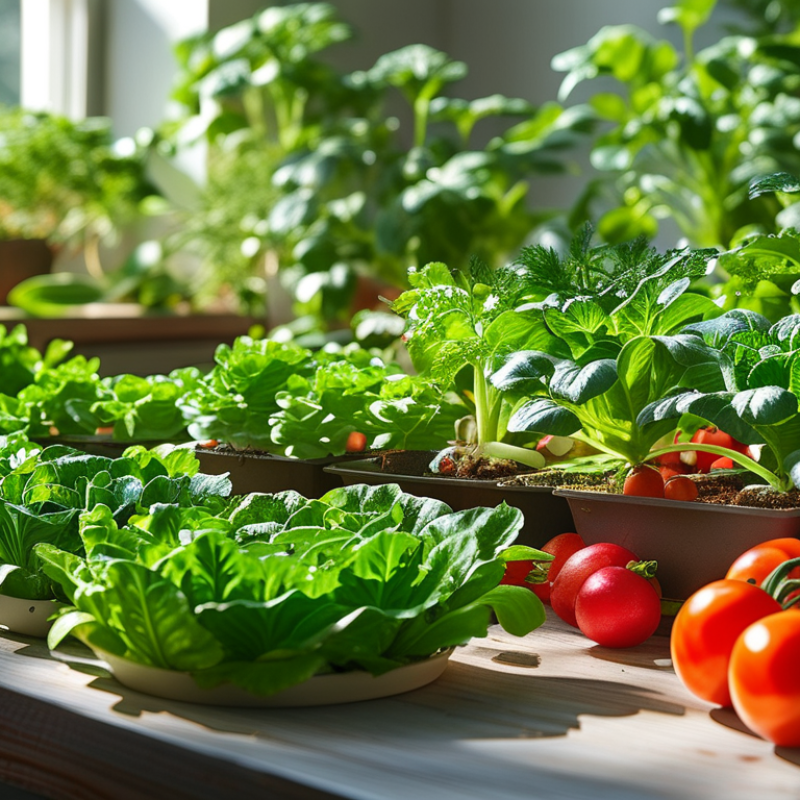
How Many Hours of Light Do Indoor Vegetables Need for Growth?

Optimal Light Duration for Common Indoor Vegetables

Indoor vegetables thrive under specific light conditions. The optimal light duration varies among different types. Most leafy greens like spinach and lettuce need about 12 to 16 hours of light daily. This ensures robust growth and lush foliage. Herbs such as basil and parsley also benefit from similar light exposure. They flourish with a balance of light and rest.

Tomatoes and peppers require slightly more attention. They thrive best with around 14 to 18 hours of light. This helps them develop strong stems and plentiful fruit. Adjustments are essential. If you notice stretching or pale leaves, consider increasing light duration. Too little light can stunt growth, leading to disappointment.

**Tip:** Use a timer to provide consistent light exposure. This helps maintain a routine for your plants. Remember to give them a dark period. Plants need this time to rest and focus on growth.

**Tip:** Monitor your plants for signs of stress. Wilting or yellowing leaves can mean insufficient light. You may need to tweak your setup for optimal results. Regular observation can lead to healthier plants and a rewarding indoor garden.

Effects of Light Intensity on Indoor Vegetable Growth

Light intensity is crucial for indoor vegetable growth. Studies have shown that plants thrive best under specific light levels. For example, leafy greens like lettuce prefer light intensity of around 200-400 µmol/m²/s. Too much light can damage sensitive leaves, while too little can stunt growth. Finding the right balance is essential for healthy plants.

Different vegetables have unique light requirements. Tomatoes, for instance, require higher intensity, about 400-600 µmol/m²/s. However, excess light can lead to leaf burn. Reflecting on personal experiences, many indoor gardeners find their plants either stretching toward the light or wilting. These signs indicate an imbalance in light intensity.

Regularly monitoring light conditions helps ensure optimal growth. Using tools like a light meter provides accurate readings. Often, indoor gardeners underestimate the light need for their crops. This miscalculation can result in poor yields or, worse, plant death. Adjusting light height and duration can significantly impact growth and productivity.

How Many Hours of Light Do Indoor Vegetables Need for Growth?

Choosing the Right Grow Lights for Indoor Plants

Choosing the right grow lights for indoor plants is crucial for their growth and productivity. According to a report from the National Agricultural Statistics Service, indoor vegetables like leafy greens need about 12 to 16 hours of light daily for optimal results. However, not all grow lights are created equal. LED lights are becoming the preferred option due to their energy efficiency and longer lifespan.

Choosing the right spectrum is also vital. Plants require specific wavelengths for photosynthesis. Reports indicate that blue and red light significantly enhance growth. Blue light promotes vegetative growth, while red light encourages flowering and fruiting. Some growers make the mistake of using lights that offer a broader spectrum. While this can be beneficial, the targeted spectrum can yield better results.

Despite the advancements in grow lights, it's essential to reflect on placement and distance as well. Incorrect positioning can lead to light burn or inadequate exposure. Users may find that the recommended distances vary between models and types of plants. Engaging with fellow gardeners or consulting relevant research can provide additional insights. Each plant is unique, and so are their light requirements. Adjusting based on observation can lead to better outcomes.

Light Spectrum Requirements for Key Indoor Vegetables

Indoor vegetables thrive under specific light conditions. Understanding the light spectrum is key to successful growth. Different vegetables have unique requirements for color temperature and light intensity. For instance, leafy greens like spinach and lettuce prefer cool light around 400-500 nanometers. This spectrum mimics natural sunlight, promoting robust growth.


Fruiting plants, such as tomatoes and peppers, benefit from warmer light above 600 nanometers. This encourages flowering and fruit production. A full-spectrum grow light can be beneficial, providing a balance of colors. It keeps plants healthy and maximizes yield.


Tips: Rotate your plants regularly. This ensures even light exposure. Observe your plants for signs of light stress. Yellowing leaves may indicate too much light. Conversely, stretched stems can mean they're not getting enough. Adjusting the distance of your light source can make a significant difference in their health.

Adjusting Light Duration Based on Plant Growth Stages

When growing indoor vegetables, the light requirements vary significantly across different growth stages. Seedlings thrive with about 14 to 18 hours of light daily. This extended exposure helps them develop strong roots and vibrant leaves. However, as plants transition to flowering or fruiting stages, they typically need less light—about 12 to 14 hours. Too much light during this phase can stress the plants and affect yield.

Adjusting the light duration is crucial for optimal growth. During the germination phase, using a gentle grow light can help seeds sprout without burning them. Conversely, once plants start flowering, reducing the light can encourage them to direct energy toward fruit production rather than excessive foliage growth. Observing how your plants respond to these light changes can inform future adjustments. Every plant may not behave the same way, and learning through mistakes often leads to better results in gardening.

FAQS

: What light intensity do leafy greens prefer for growth?

: Leafy greens like lettuce thrive best under light intensity of 200-400 µmol/m²/s.

How can too much light affect indoor plants?

Excess light can damage sensitive leaves and lead to stress in the plants.

What light intensity do tomatoes require?

Tomatoes require higher light intensity, around 400-600 µmol/m²/s for optimal growth.

Why is monitoring light conditions important?

Regularly checking light levels helps prevent poor yields and ensures healthy plant growth.

What daily light duration do indoor vegetables need?

Indoor vegetables generally require 12 to 16 hours of light each day for effective growth.

How does the light spectrum affect plant growth?

Specific wavelengths, especially blue and red light, are crucial for photosynthesis and overall plant health.

What mistake do some growers make with light placement?

Incorrect light positioning can cause light burn or inadequate exposure, harming plant development.

What light duration is ideal for seedlings?

Seedlings thrive with about 14 to 18 hours of light daily to develop strong roots and leaves.

What happens if light duration is too long during the flowering stage?

Too much light during flowering can stress plants and negatively impact fruit yield.

How can experience improve gardening outcomes?

Observing plant responses to light adjustments can help refine practices for better results.

Conclusion

Indoor vegetables require specific light conditions to thrive, which leads to the question: "How many hours of light do indoor vegetables need?" Generally, most indoor vegetables benefit from 12 to 16 hours of light daily, depending on their growth stage and species. Optimal light duration varies for common vegetables such as lettuce, peppers, and herbs, with some needing longer exposure during the germination phase and others thriving with less.

Additionally, light intensity plays a crucial role in indoor vegetable growth, as insufficient light can lead to weak plants. Choosing the right grow lights is essential, as these lights should cater to the specific light spectrum requirements of key indoor vegetables. Adjusting the light duration according to plant growth stages ensures that vegetables receive adequate energy for photosynthesis, leading to healthier and more abundant yields. Understanding these factors is key for successful indoor gardening.

Sophia

Sophia

Sophia is a dedicated marketing professional with an exceptional depth of knowledge about her company's products and services. With a keen understanding of market trends and customer needs, she crafts insightful blog posts that not only inform but also engage readers, enriching the company’s online......