Maintaining an optimal temperature in a grow tent during hot summer days is crucial for plant health. Research indicates that high temperatures can decrease photosynthesis and impair growth. Effective temperature control can increase yields, as the ideal range for most plants is between 70°F to 80°F. However, summer heat can push temperatures higher, risking your plants.
So, how to keep a grow tent cool in summer? Adequate ventilation and strategic light placement can significantly lower temperatures. Using exhaust fans or oscillating fans helps circulate the air and reduces humidity. Furthermore, reflective materials can be employed in your tent, enhancing light efficiency while keeping heat at bay.
Despite these strategies, many growers overlook the importance of regular monitoring. Investing in quality thermometers and hygrometers can provide essential data for maintaining balance. Awareness of each plant's needs can lead to better cooling strategies. Ultimately, reflection on past experiences can guide improvements. As the heat rises, being proactive ensures your plants thrive.
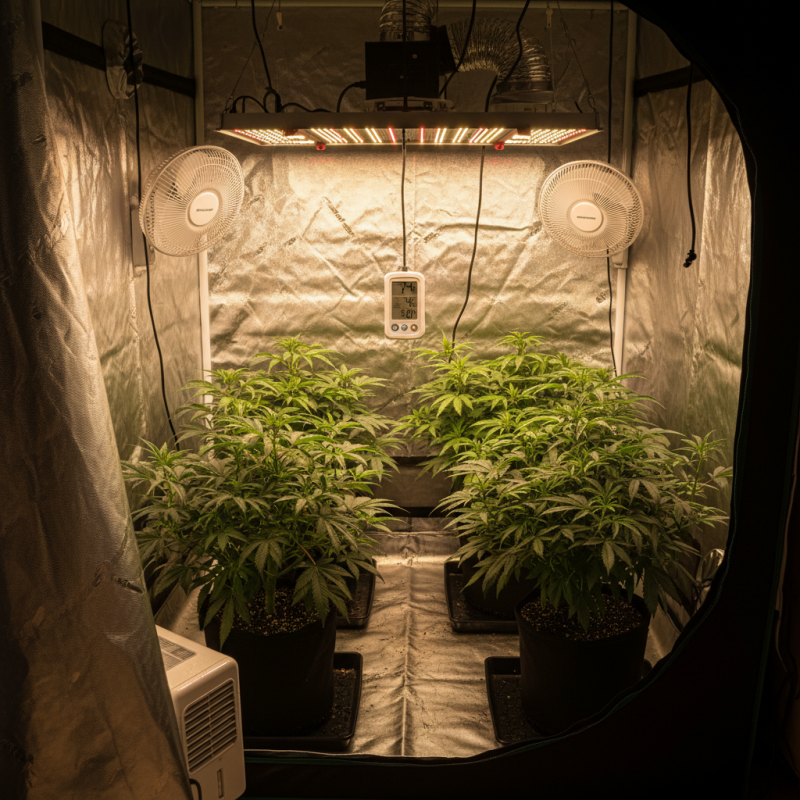
Understanding Temperature Control in Grow Tents
Controlling temperature in a grow tent is crucial, especially during hot summer days. Higher temperatures can stress plants, leading to stunted growth or even death. There are practical ways to manage this heat effectively.
Good ventilation is essential. Fans can circulate air and reduce hotspots within the tent. Using exhaust fans ensures old, hot air is replaced with cooler air. However, be mindful of placing fans correctly. If they are too close to plants, they might dry them out. Consider a balanced approach.
In addition to ventilation, insulation plays a key role. Reflective materials can help keep heat outside. Some growers use thermal covers during the hottest hours. It’s important to monitor temperature regularly. Use a digital thermostat for accuracy. That said, do not rely solely on it; check regularly and adjust methods based on your observations. The goal is to create an environment where plants can thrive, even when summer temperatures rise.
Choosing the Right Location for Your Grow Tent
When setting up your grow tent, choosing the right location is crucial. A poorly placed tent can lead to
temperature spikes and humidity issues. Ideally, position the tent in a
shaded area. Direct sunlight can heat it up quickly. A garage
or basement is often a good choice. These areas tend to remain cooler during hot summer days.
Consider ventilation as well. Ensure that your grow tent has access to fresh air. This can help maintain
a stable temperature inside. Placing small fans near the entrance can circulate air effectively. If possible, use exhaust
systems to help expel hot air. It’s worth noting that not all locations will be perfect. You may need to experiment to find
the best fit.
Take note of the surrounding environment. Nearby trees, buildings, or even other tents
can affect airflow and temperature. Keep an eye on how the tent reacts to different conditions. Regularly check
the internal temperature and humidity levels. Adjust as necessary. It's a balancing act, and sometimes, you won't get
it right on the first try. A little trial and error will lead to a
more suitable setup.
Implementing Effective Ventilation Techniques
Keeping your grow tent cool during hot summer days is crucial for healthy plant growth. Effective ventilation techniques can significantly mitigate heat risks. According to a study by the University of California, optimal temperature levels for most plants range from 70°F to 85°F. Exceeding these levels can stunt growth and diminish yields.
To start, ensuring proper air circulation is key. Install oscillating fans to maintain airflow within your tent. This aids in distributing cooler air uniformly. Additionally, using an exhaust fan can help remove hot air. The data shows that tents with proper exhaust can reduce internal temperatures by up to 15°F.
Another common mistake is neglecting passive ventilation. Leave vents open and consider using a cool air intake system. This can lower temperatures but must be adjusted according to outside conditions. Many growers find themselves puzzled by fluctuating temperatures and often overlook simple adjustments. Monitoring internal conditions using a thermometer can help identify the need for changes in ventilation strategies. Understanding the dynamics of your environment leads to better outcomes.
Utilizing Shade and Reflective Materials
When summer heat hits, maintaining a cool environment in your grow tent is crucial. Utilizing shade and reflective materials can significantly lower temperatures. Research indicates that reflective materials can reduce internal temperatures by up to 15%. Mylar or reflective foil can bounce light effectively while minimizing heat absorption. It can be a game-changer for your growing crops.
Shade cloth is another simple yet effective tool. Depending on your plants’ needs, choosing a shade percentage between 30% to 50% can help regulate heat. Studies show that excessive heat can stunt plant growth and reduce yields. For example, a study by the University of California found that high temperatures can decrease yields by 20% or more for sensitive plants.
Don't overlook ventilation either. Even with shades and reflective materials, without airflow, heat can build up. Installing fans or vents is essential. Hot air can accumulate and create a stifling environment, hindering plant health. Remember, there’s always room for improvement. Monitoring and adjusting your setup based on temperature readings can lead to more consistent outcomes. Actively engaging with your environment gives you a clearer insight into what your plants truly need.
How to Keep Your Grow Tent Cool During Hot Summer Days?
| Method |
Description |
Effectiveness (%) |
Cost Level |
| Use of Reflective Materials |
Install reflective film or Mylar to reflect light and reduce heat absorption. |
85% |
Low |
| Shade Cloth |
Use shade cloth to block out direct sunlight while allowing airflow. |
80% |
Medium |
| Ventilation |
Ensure proper ventilation using fans or exhaust systems to circulate air. |
90% |
Medium |
| Insulation |
Add insulation to the grow tent to reduce heat transfer during the day. |
75% |
High |
| Cool Water |
Use cool water in the reservoir to help moderate the temperature. |
70% |
Low |
Monitoring Temperature and Humidity Levels Effectively
During hot summer days, managing temperature and humidity in a grow tent becomes crucial for plant health. A consistent temperature range of 70-85°F is ideal for many plants. Studies indicate that temperatures above 85°F can lead to stress and hinder growth. Using a digital hygrometer provides accurate humidity readings, allowing you to maintain optimal levels between 40-60%.
Ventilation plays a vital role in temperature control. Higher humidity levels can trap heat, making it difficult for plants to thrive. Proper air circulation helps prevent this issue. Fans can aid in effectively lowering the temperature. In fact, data shows that tents equipped with oscillating fans reduce heat by up to 10°F. Always monitor these conditions daily, as fluctuations can lead to undesired outcomes.
Invest in a reliable thermostat with a built-in alarm system. This device ensures you are alerted if temperatures risk going outside of the safe range. Keep in mind the importance of regularly checking equipment. Sometimes, minor malfunctions can complicate your efforts. Reflect on your setup regularly and make adjustments to enhance the efficiency of your cooling methods.
FAQS
: Temperature control is essential. High temperatures can stress plants, causing stunted growth or even death.
Good ventilation is crucial. Fans help circulate air and reduce hotspots within the tent.
Place fans at an appropriate distance from plants. Avoid positioning them too close.
Reflective materials like Mylar can significantly lower temperatures by reducing heat absorption.
Yes, using shade cloth can regulate heat. Choose shades between 30% to 50% based on plant needs.
Regular monitoring is necessary. Daily checks help avoid fluctuations that could harm your plants.
A consistent range of 70-85°F is ideal. Temperatures over 85°F can cause stress.
Invest in a digital hygrometer and a reliable thermostat with alarms for alerts on extreme conditions.
Install fans or vents to help with airflow and reduce heat accumulation.
Regularly check all your equipment. Minor malfunctions can complicate temperature management.
Conclusion
To effectively answer the question of how to keep a grow tent cool in summer, it is essential to understand the principles of temperature control within the tent. This involves choosing a suitable location that minimizes direct sunlight exposure and maximizes airflow. Implementing effective ventilation techniques, such as using exhaust fans and intake vents, can significantly help in regulating the temperature.
Additionally, utilizing shade and reflective materials can further reduce heat buildup by reflecting sunlight away from the tent. Regularly monitoring temperature and humidity levels is crucial to ensure that the environment remains conducive for plant growth. By combining these strategies, growers can create a comfortable microclimate within their tents, ensuring optimal conditions even during the hottest days of summer.

 Enova Lighting