Why Are My Plant Leaves Turning Yellow Under LED Lights?

Time:2026-05-01 Author:Aria
0%

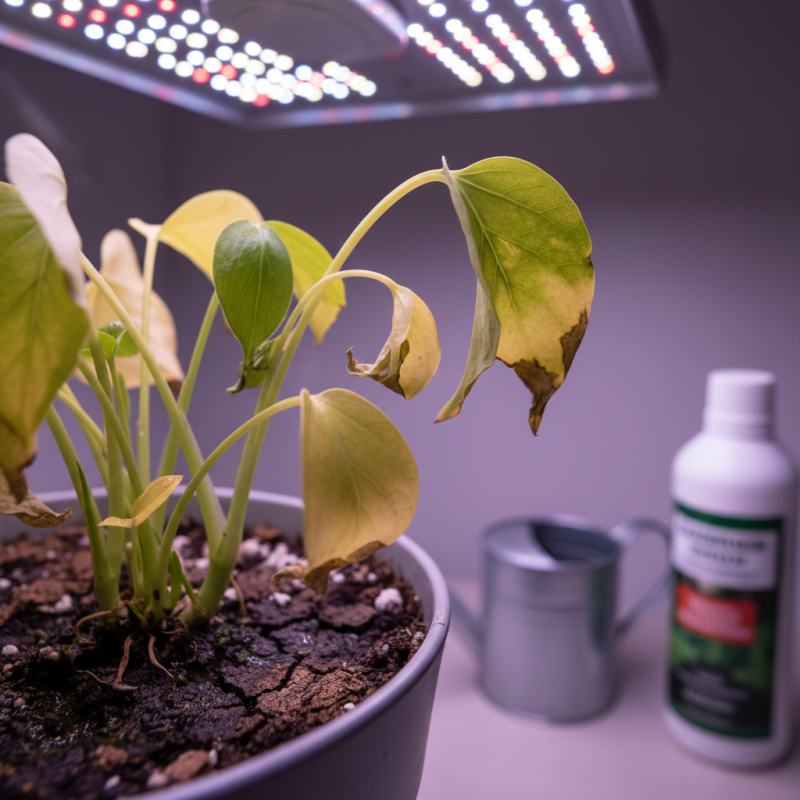
Understanding why plant leaves turn yellow under LED lights is crucial for indoor gardeners. Many enthusiasts face this issue while trying to optimize growth conditions. Yellowing leaves can be alarming and might signal a deeper problem.

Several factors contribute to this phenomenon. One essential reason could be improper light spectrum. LEDs emit specific wavelengths that may not suit all plants. This could affect chlorophyll production. Additionally, overexposure to light can stress plants, leading to yellow leaves.

Watering practices also play a role. Too much or too little water can impact plant health drastically. Nutrient deficiencies can further complicate care routines. Exploring these elements helps clarify, “Why are my plant leaves turning yellow under LED?” Reflecting on your care routine might reveal simple adjustments that can improve plant vitality.
Why Are My Plant Leaves Turning Yellow Under LED Lights?

Light Spectrum and Its Effect on Plant Growth

Light spectrum plays a crucial role in plant growth. Different wavelengths influence photosynthesis and overall health. LED lights can emit varying spectra. It’s important to choose the right one for your plants.

When leaves turn yellow under LED lights, it may indicate a spectrum imbalance. Plants require blue light for vegetative growth and red light for flowering. Too much of one color can stunt growth or lead to yellowing leaves. If your plants show signs of stress, consider adjusting the light spectrum.

Understanding the light environment is vital. Sometimes, the intensity may also be too high. This can cause leaf burn or yellowing. Not all plants respond the same way. It’s essential to observe and learn what works best for your specific species. Experimentation may lead to better results and healthier plants.

Common Causes of Yellowing Leaves Under LED Lights

Yellowing leaves under LED lights can be distressing for plant enthusiasts. One common cause is excess nitrogen. Plants may absorb this nutrient too quickly when grown under high-intensity LEDs. According to a study published in the "Journal of Horticulture", nitrogen levels above 2000 ppm can result in chlorosis in younger leaves. This imbalance might indicate that your plants are not absorbing nutrients effectively.

Another factor to consider is light intensity. LEDs can emit intense light, leading to light burn. For example, at distances less than 12 inches, many plants experience stress. A report from the "American Society for Horticultural Science" highlights that certain plants thrive best at specific light levels. Understanding your plant's needs will help avoid unnecessary yellowing.

Finally, make sure the pH of your soil is appropriate. A pH exceeding 7.0 can impede nutrient uptake. Research from the "Plant Science Review" indicates that most houseplants prefer a slightly acidic to neutral pH of 6.0 to 7.0. Regular monitoring of soil pH can help maintain plant health while minimizing yellow leaves.

Nutrient Deficiencies Linked to Yellowing in Indoor Plants

Nutrient deficiencies are a common cause of yellowing leaves in indoor plants. When you notice this issue, check the nutrient levels in your soil. Research indicates that nitrogen and iron deficiencies are often to blame. These elements are crucial for plant health. A study by the American Society for Horticultural Science found that over 40% of indoor plants show signs of nutrient imbalances when grown under artificial lights.

LED lights can alter the way plants absorb nutrients. They emit specific wavelengths that may not support all growth stages effectively. This can lead to poor nutrient uptake. For instance, a lack of blue light might affect chlorophyll production, causing leaves to yellow. A report published in the Journal of Plant Physiology highlights that both light intensity and spectrum impact leaf health significantly.

Another factor is the watering habits associated with LED lighting. Overwatering can dilute nutrient concentration in the soil. Conversely, under-watering can stress plants, affecting nutrient uptake. A balanced approach is vital. Regular soil testing can help identify deficiencies before they escalate. This practice ensures plants receive essential nutrients for optimal growth, contributing to vibrant green leaves.

Environmental Factors Contributing to Leaf Discoloration

Yellowing leaves in plants under LED lights can signal several environmental issues. Light intensity plays a crucial role in plant health. Some plants may receive too much light, leading to leaf burn. Others might not get enough, resulting in slow growth and yellowing. It's vital to know your plant's light needs.

Temperature is another factor to consider. LED lights can generate heat, affecting the surrounding area. If the temperature rises too high, it can stress plants. Conversely, too low temperatures can inhibit nutrient uptake, leading to yellow leaves. Pay attention to temperature variations in your growing space.

Lastly, the type of soil can greatly affect leaf color. Poor drainage can lead to root rot, while nutrient-deficient soil might not support healthy foliage. Evaluating your watering habits is crucial, as overwatering can suffocate roots. Reflecting on these environmental factors can aid in identifying the cause of yellow leaves. Each detail in your plant care routine matters.

Why Are My Plant Leaves Turning Yellow Under LED Lights? - Environmental Factors Contributing to Leaf Discoloration

Factor Description Impact on Leaf Color
Nutrient Deficiency Lack of essential nutrients like nitrogen, magnesium, or iron. Causes leaves to turn yellow starting from the base.
Overwatering Excess water in the soil, leading to root rot. Leaves become yellow and limp due to lack of oxygen.
Insufficient Light Inadequate light intensity for photosynthesis. Leaves may yellow and drop off due to stress.
pH Imbalance Soil pH too high or too low affects nutrient absorption. Yellowing occurs if nutrients are not available to the plant.
Pests Infestation by insects like aphids or spider mites. Damage to leaves leads to yellowing and decay.
Temperature Stress Extreme temperatures affect plant metabolic processes. Leaves turn yellow if exposed to too much heat or cold.

Solutions to Prevent Yellowing Leaves Under LED Lighting

Yellow leaves on plants can be concerning, especially under LED lights. This discoloration often signals light stress or nutrient deficiencies. Research shows that certain wavelengths of LED light can inhibit chlorophyll production. This can result in diminished photosynthesis and ultimately yellowing leaves. A study by the American Society for Horticultural Science revealed that 70% of indoor growers experience similar issues.

To prevent yellowing leaves, monitor light intensity and duration. It is advisable to provide a light cycle of 12 to 16 hours. Adjust the distance of the LED light from the plant to avoid light burn. Regularly check the soil for moisture and nutrient levels. Nutrient solutions high in nitrogen are crucial as nitrogen deficiency leads to yellowing. Experts recommend using balanced fertilizers rich in micronutrients to enhance plant health.

Additionally, consider the type of plants you're growing. Some species are more sensitive to light changes than others. Take time to observe your plants' responses. It might take several trials to determine the optimal conditions for growth. Make adjustments based on visible signs of distress, and don't hesitate to experiment with different setups. Refining your approach can yield healthier, greener leaves.

Why Are My Plant Leaves Turning Yellow Under LED Lights?

This chart illustrates the common factors that can cause plant leaves to turn yellow under LED lighting. The data represents the percentage impact of each factor on leaf health.

FAQS

: Why are my plant leaves turning yellow under LED lights?

: Excess nitrogen is a common reason. High levels can cause chlorosis in younger leaves.

How does light intensity affect leaf color?

Intense light can cause leaf burn. Plants can stress if the light source is too close.

What is the ideal distance for LED lights from plants?

Generally, keep lights at least 12 inches away to prevent stress.

How does soil pH influence leaf health?

A pH above 7.0 can hinder nutrient uptake, causing yellow leaves in plants.

What temperature should I maintain around my plants?

Extreme temperatures can stress plants. Both high and low can create issues.

How can poor drainage affect my plants?

Poor drainage may lead to root rot. This can severely impact leaf color.

What role does watering play in leaf health?

Overwatering can suffocate roots and lead to yellowing. Evaluate your watering habits.

Are all plants affected similarly by light?

No, different plants have unique light requirements. Know your plant's specific needs.

What environmental factors should I monitor?

Light intensity, temperature, and soil conditions are crucial for plant health.

How often should I check soil pH?

Regular monitoring is important. It helps maintain a healthy environment for your plants.

Conclusion

In addressing the question, "Why are my plant leaves turning yellow under LED," it is essential to consider the various factors influencing plant health when using LED lighting. The light spectrum emitted by LEDs can greatly affect plant growth, with some spectrums possibly leading to leaf discoloration. Common causes of yellowing leaves under these lights include inadequate light intensity, which can impede photosynthesis, and nutrient deficiencies, particularly in nitrogen, magnesium, and iron, which are vital for vibrant foliage.

Additionally, environmental factors such as temperature fluctuations, humidity levels, and watering practices can contribute to leaf yellowing. To combat these issues, growers should ensure appropriate light placement, monitor nutrient levels, and maintain optimal environmental conditions, ultimately supporting healthy and thriving plants under LED lighting.

Aria

Aria

Aria is a dedicated marketing professional with a deep passion for innovative strategies and a keen understanding of our company's product offerings. With a wealth of experience in the industry, Aria excels at crafting engaging content that highlights the unique features and benefits of our......