How to prevent light burn on your plant canopies?

Time:2026-06-07 Author:Oliver
0%

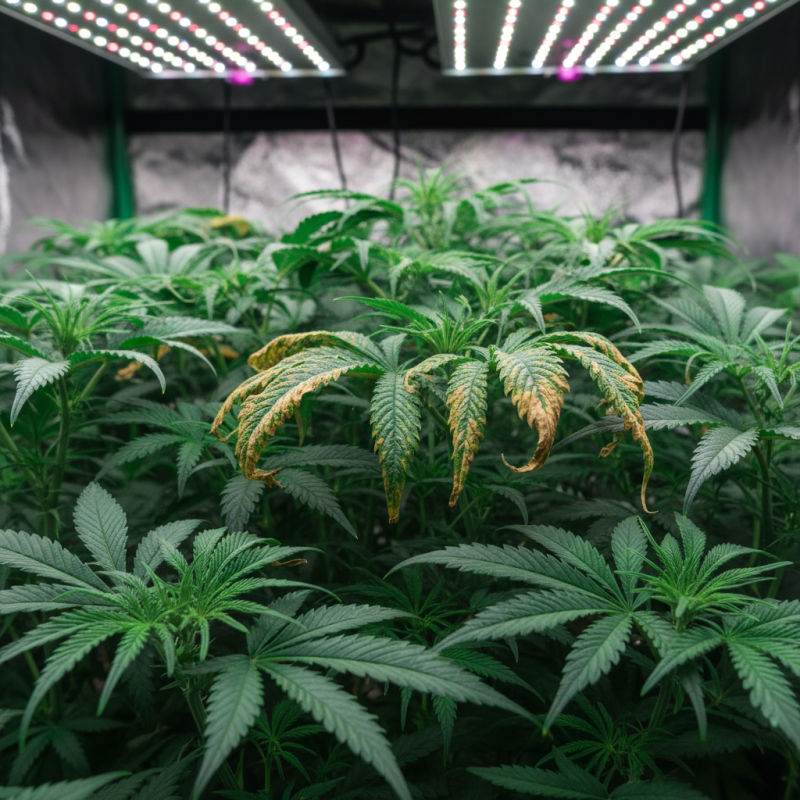
Light burn can severely affect your plant canopies. Those who grow plants must understand this issue well. Knowing how to prevent light burn on plant canopies is vital for healthy growth. Too much light can cause leaves to scorch, leading to irreversible damage.

Indoor growers and outdoor gardeners alike face this challenge. Often, they overlook the signs of light burn until it’s too late. Plants may show browning or curling leaves. These are indicators that light intensity is too high. Adjusting light distance and intensity can make a significant difference.

Choosing the right lighting is essential to avoid these risks. Some lights emit higher heat levels. Others can produce the right spectrum without causing stress. Regularly monitoring your plants’ responses is crucial. Observing subtle changes can help in adjusting care practices. Learning how to prevent light burn on plant canopies requires ongoing attention and adaptation. Take the time to educate yourself. Your plants will thrive as a result.
How to prevent light burn on your plant canopies?

Understanding Light Burn: Causes and Effects on Plant Canopies

Light burn is a critical issue for many growers, particularly in indoor environments. It occurs when plants receive excessively strong light, leading to scorched leaf edges and discoloration. According to a study by the Royal Horticultural Society, light burn can reduce photosynthetic efficiency by up to 30%. This stress can weaken plants and make them more susceptible to pests and diseases.

Understanding the causes of light burn is essential. Factors include light intensity, distance from the light source, and the duration of exposure. For instance, LED lights typically emit a higher intensity. A report from the American Society for Horticultural Science indicates that growers often overlook light acclimation during the first weeks of growth. This oversight can significantly impact the health of plant canopies.

Monitoring environmental conditions is paramount. Humidity and temperature also play a role in how plants respond to light. High temperatures exacerbate the risk of light burn. A 2022 study revealed that uneven light distribution could lead to excessive stress on certain leaves. Recognizing these problems is vital for successful cultivation.

How to Prevent Light Burn on Your Plant Canopies?

Cause Effect Prevention Method Recommended Light Level (µmol/m²/s)
Excessive Light Intensity Leaf Scorching and Stress Adjust Light Height or Distance 300-600
Inadequate Light Duration Weak Growth Increase Light Duration Gradually 12-16 hours
Poor Air Circulation Heat Buildup, Leaf Burn Ensure Proper Ventilation Variable Depending on Setup
Wrong Spectral Range Impaired Photosynthesis Use Full-Spectrum Lights 400-700
Insufficient Watering Increased Vulnerability to Light Burn Regular and Adequate Watering N/A

Identifying Symptoms of Light Burn in Different Plant Species

Light burn, often misunderstood, is a common issue for many plant species. Identifying symptoms can help you act quickly. For instance, succulent plants like aloe and jade show discoloration around the edges of their leaves when experiencing light burn. This browning indicates excess light exposure. If you notice wilting or leaf drop, your plant might be suffering.

Different plants react uniquely. Leafy greens like lettuce can develop crispy, brown tips, suggesting they are reaching their threshold. Meanwhile, flowering species may display faded or scorched petals. These signs are often mistaken for nutrient deficiencies, leading to misdiagnosis.

Environmental factors, such as humidity and temperature, play a role. A lack of moisture can exacerbate light burn, intensifying symptoms. Some growers may overcompensate with extra nutrients, rather than adjusting light levels. Reflecting on plant responses will guide better care practices. Keeping a close watch helps ensure your plants thrive without suffering from light burn.

Optimal Light Intensity Levels for Healthier Plant Growth

Optimal light intensity is crucial for healthy plant growth. Too much light can lead to light burn, which damages plant leaves. This often results from high-intensity light sources placed too close to the canopies. Monitoring light levels is essential. Using a light meter can provide accurate readings.

Understanding your plant's specific light needs is important. Different species thrive in varying light intensities. For example, succulents prefer bright light, while ferns enjoy lower levels. Observe your plants. Yellowing leaves can signal too much light. Conversely, leggy growth indicates insufficient light. Adjust your setup accordingly, but avoid drastic changes.

Creating a balanced environment takes time and patience. Use adjustable light fixtures to manage intensity effectively. Consider the distance between the light source and your plants. Aim for variability, as plants can adapt slowly. Reflecting on your setup regularly will help you fine-tune conditions, ensuring optimal growth without damaging your beloved greenery.

Strategies for Shielding Plant Canopies from Excessive Light Exposure

Excessive light exposure can lead to light burn on plant canopies, impacting their health and growth. According to a report by the American Society for Horticultural Science, around 30% of farmers face issues with photodamage. This phenomenon often occurs when plants receive too much direct sunlight, especially during peak hours.


One effective strategy is implementing shade structures. Shade cloths can reduce light intensity significantly, providing a more balanced light environment. Studies suggest that using 30-50% shade cloth can maintain optimal photosynthesis while preventing damage.

Another tactic involves careful plant placement. Positioning taller plants to shield shorter ones from harsh sunlight can help.


Maintaining humidity levels is essential, too. High humidity can mitigate the effects of light stress, allowing plants to adapt better. It's crucial to monitor the environment, as too much water can lead to fungal issues.

These approaches demand a balance; over-protection can also hinder growth. Evaluating the unique needs of your plants allows for a more tailored solution to combat light burn effectively.

Utilizing Reflective Materials to Mitigate Light Burn Risks

Light burn can severely damage your plant canopies. When plants receive too much light, leaves might scorch or fade. This can be particularly harmful during peak sunlight hours. To prevent this, utilizing reflective materials is a practical solution.

Reflective materials, such as mylar or even white paint, can redirect excessive light. These surfaces bounce light away from plant canopies, minimizing direct exposure. Installing reflective sheets around your growing area can achieve this effect. Plants can thrive without experiencing stress from light burn. However, it's crucial to position these materials thoughtfully to avoid unintended shadows on plants.

Monitoring your plants regularly is essential. You may notice areas that still show signs of stress. Experimenting with different angles of reflection can be beneficial. Sometimes the simplest changes, like repositioning a mirror or adjusting light sources, provide significant relief. Building a reflective setup requires patience and adjustments. Every grower's environment is unique, and what works for one may not work for another. It is a journey of trial and error.

FAQS

: What is light burn?

: Light burn occurs when plants receive too much light, causing scorched leaf edges and discoloration.

How does light burn affect photosynthesis?

Light burn can reduce photosynthetic efficiency by up to 30%, weakening plants and making them susceptible to pests.

What factors cause light burn?

Key factors include light intensity, distance from the light source, and duration of exposure to light.

How do different plants show signs of light burn?

Succulents like aloe may exhibit browning edges, while leafy greens like lettuce develop crispy brown tips.

Can high temperatures worsen light burn?

Yes, high temperatures can increase the risk of light burn, stressing plants even more.

How does humidity relate to light burn?

Low humidity can worsen light burn symptoms, so monitoring moisture levels is important for plant health.

What are some common misdiagnoses related to light burn?

Symptoms of light burn are often mistaken for nutrient deficiencies, leading to incorrect treatment decisions.

How should growers adjust light levels to prevent light burn?

Reflecting on plant responses can guide growers to adjust light exposure rather than overcompensating with nutrients.

What should I do if I notice light burn symptoms?

Act quickly by reducing light intensity and monitoring environmental conditions to help your plants recover.

Is it easy to overlook light acclimation for new plants?

Yes, many growers forget to acclimate new plants, which can adversely affect their health during early growth.

Conclusion

Light burn on plant canopies can severely impact growth and health, making it crucial to understand its causes and effects. This phenomenon typically arises from excessive light exposure, which varies in severity among different plant species. Symptoms such as leaf discoloration and wilting can indicate a plant is suffering from light burn. To prevent light burn on plant canopies, it's essential to maintain optimal light intensity levels suited to each species.

Effective strategies include tailoring light exposure durations and utilizing reflective materials to diffuse harsh light. By implementing these techniques, gardeners can cultivate thriving plant canopies while minimizing the risks associated with light burn. Understanding how to prevent light burn on plant canopies is key to ensuring long-lasting plant vitality and productivity.

Oliver

Oliver

Oliver is a seasoned marketing professional with a wealth of expertise in driving brand awareness and engagement. With a deep understanding of our company's product offerings, he consistently delivers high-quality content that enriches our professional blog. His insights not only shed light on......