Top 10 Reasons Your Plant Leaves Are Turning Yellow Under LED?

Time:2026-08-02 Author:Aria
0%

As indoor gardening becomes popular, many struggle with plant care. A common issue is the alarming sight of yellowing leaves. This phenomenon raises the question, "Why are my plant leaves turning yellow under LED?" Understanding this concern is essential for healthy plant growth.

LED lights are a key component for indoor gardens. Though energy-efficient, they might cause problems. Factors like light intensity, spectrum, and duration can impact plant health significantly. High light levels can lead to stress, resulting in yellow leaves. Insufficient nutrients can also play a role, as can improper watering practices.

Gardeners often overlook these details. They may believe LED lighting solves all problems. This belief can lead to frustration and disappointment. Instead of expecting a perfect outcome, it’s vital to observe and adjust based on your plants' responses. Learning from these experiences is key to success in indoor gardening.
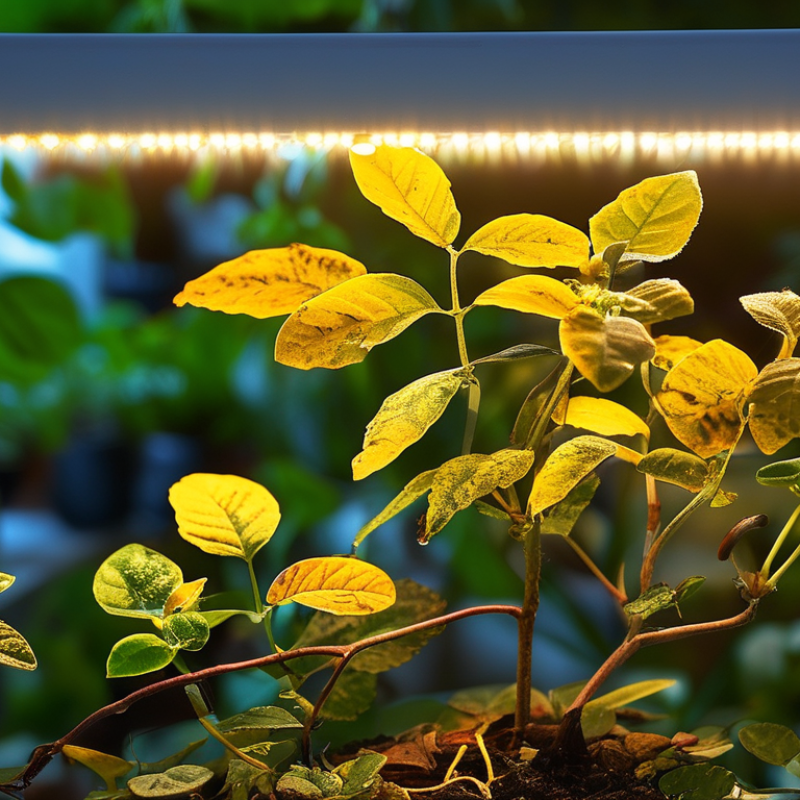
Top 10 Reasons Your Plant Leaves Are Turning Yellow Under LED?

Understanding the Impact of LED Lighting on Plant Health

LED lighting has revolutionized indoor gardening, but it also brings unique challenges. Research indicates that specific wavelengths can lead to unexpected results. For example, studies show that excessive blue light can produce stress in plants. This stress manifests in yellowing leaves, often mistaken for nutrient deficiencies.

Plants require a balance of light for optimal growth. An overwhelming light intensity can be harmful. Data from agricultural studies reveal that many growers overlook the importance of light distance and duration. Incorrect settings can lead to light burn, causing leaves to lose their vibrant color. Monitoring these factors is crucial for maintaining plant health.

Additionally, the type of LED light can affect chlorophyll production. Chlorophyll is essential for photosynthesis. If the light spectrum lacks adequate red wavelengths, plants may struggle to thrive. Anecdotal evidence suggests that many indoor gardeners experience leaf discoloration when switching to LEDs without proper adjustments. Regular monitoring and adjustments can prevent these issues.

Common Nutrient Deficiencies Leading to Yellowing Leaves

Yellowing leaves on plants can signal various nutrient deficiencies. A prominent deficiency is nitrogen, essential for leaf growth and green foliage. Studies show that insufficient nitrogen can lead to a 40% decrease in chlorophyll production. This affects overall plant vitality. Symptoms often start with older leaves turning yellow, while newer growth remains green.

Another common issue is iron deficiency, especially in alkaline soils. This deficiency can cause younger leaves to show yellowing while veins remain green, a condition known as interveinal chlorosis. Research indicates that iron levels below 2.5 mg/kg can significantly affect plant health. This highlights the importance of monitoring soil pH and nutrient levels.

With potassium deficiency, plants may also experience yellowing leaves. Symptoms might include leaf tip burn and overall weak growth. Reports suggest that potassium levels below 2-4% can hinder a plant's ability to cope with stress. This imbalance can result in a fragile plant structure under LED lighting. Regular soil testing helps identify such deficiencies early on.

Top 10 Reasons Your Plant Leaves Are Turning Yellow Under LED

This chart illustrates the common nutrient deficiencies that can lead to yellowing leaves in plants when grown under LED lights. Each bar represents a different nutrient deficiency and its corresponding impact on leaf yellowing.

Identifying Overwatering and Its Effects on Plant Leaves

Yellowing leaves can signal issues with plant health, particularly when it comes to water management. Overwatering is a primary culprit. Studies indicate that approximately 60% of houseplant owners frequently overwater, leading to root rot. This condition prevents roots from absorbing nutrients properly, resulting in yellowing leaves. Additionally, excess moisture can create an anaerobic environment, worsening plant stress.

Signs of overwatering include wilting leaves despite wet soil. In extreme cases, the leaves may develop brown edges or spots. Research from horticultural experts suggests that monitoring soil moisture is crucial. A moisture meter can provide a reliable reading, assuring that plants receive the right amount of water.

Interestingly, even experienced growers sometimes fail in watering techniques. They may rely solely on visual cues without measuring moisture levels. This can lead to repeated mistakes. Understanding proper watering techniques is vital, as it allows for better care and health of plants. Observing the patterns of yellowing leaves can guide adjustments, promoting vibrant growth and vitality.

The Role of pH Level in Nutrient Absorption and Leaf Color

The pH level of your soil plays a crucial role in how plants absorb nutrients. When the pH is too high or too low, plants struggle to uptake essential elements like nitrogen, iron, and magnesium. This can lead to yellowing leaves. A balanced pH typically ranges from 6 to 7. Outside this range, nutrient availability diminishes.

Understanding that nutrient lockout can occur at extreme pH levels is vital. If your plant's leaves are turning yellow, consider testing the soil. A simple pH test can help identify imbalances. Soil with a high acidity or alkalinity can cause the roots to become less effective. This often leads to stunted growth and discoloration.

Don’t overlook the importance of adjusting pH levels. Use amendments like lime for acidity or sulfur for alkalinity. In some cases, realizing this might prompt a reevaluation of your gardening methods. Reflecting on your approach could lead to healthier, greener plants. Addressing pH issues isn't an instant fix, but it’s necessary for vibrant foliage.

Factors Related to Plant Stress That Cause Yellowing Under LEDs

When it comes to growing plants under LED lights, yellowing leaves can be a cause for concern. One key factor related to plant stress is inadequate light spectrum. LEDs can emit light that lacks specific wavelengths essential for photosynthesis.

Overwatering is another critical factor leading to yellowed leaves. Excess moisture can drown roots and hinder oxygen uptake. According to a report from the American Society for Horticultural Science, nearly 30% of plant issues stem from incorrect watering practices. Checking the soil moisture regularly can help prevent this.

Nutrient deficiencies, particularly nitrogen, can also result in leaf yellowing. A study by the U.S. Department of Agriculture highlights that nitrogen is pivotal for healthy foliage. Without adequate nitrogen, chlorophyll production declines, causing yellow leaves. Regularly feeding your plants with a balanced fertilizer can help mitigate this issue.

Tips: To maintain healthy plants under LEDs, ensure your light spectrum is comprehensive. Monitor soil moisture using a moisture meter to avoid overwatering. Also, consider conducting soil tests to check nutrient levels regularly. Controlling these factors will foster a healthier growing environment.

FAQS

: What does yellowing leaves indicate in plants?

: Yellowing leaves often signal nutrient deficiencies, particularly nitrogen, iron, and potassium.

How does nitrogen deficiency affect plants?

Insufficient nitrogen can decrease chlorophyll production, leading to weaker, yellowing leaves on older growth.

What is interveinal chlorosis?

Interveinal chlorosis is when younger leaves turn yellow while veins remain green, often due to iron deficiency.

How does soil pH influence nutrient absorption?

Soil pH affects nutrient availability; pH levels outside 6 to 7 can hinder nutrient uptake, causing yellow leaves.

What can cause yellow leaves when growing under LED lights?

Inadequate light spectrum and overwatering are main causes of stress leading to yellowing leaves under LED lights.

Why is regular soil testing important?

Soil testing helps identify nutrient deficiencies early. It can lead to timely interventions for healthier plants.

How can nutrient lockout occur?

Extreme pH levels can prevent plants from absorbing essential nutrients, resulting in yellowing and stunted growth.

What are some tips to avoid yellowing under LEDs?

Monitor light spectrum, check soil moisture carefully, and conduct regular soil tests to maintain nutrient levels.

How can I adjust soil pH effectively?

Use lime to reduce acidity and sulfur to lower alkalinity, but remember it isn't a quick fix for all issues.

Should I reevaluate my gardening methods?

Yes, reflecting on gardening practices can lead to healthier plants, especially when addressing pH and nutrient issues.

Conclusion

In the quest to understand "Why are my plant leaves turning yellow under LED," it is essential to delve into several key factors that affect plant health. First, LED lighting can significantly impact plant growth, sometimes leading to unexpected changes in leaf color. Common causes of yellowing leaves include nutrient deficiencies, where a lack of essential elements like nitrogen, magnesium, or iron can disrupt healthy photosynthesis.

Additionally, overwatering is a frequent culprit, as it can suffocate roots and prevent them from absorbing nutrients effectively. The pH level of the soil also plays a crucial role; improper pH can hinder nutrient absorption, resulting in yellow leaves. Lastly, various stress factors, such as sudden temperature changes or pests, can exacerbate yellowing under LED lights. Understanding these elements can help plant owners address the issue and nurture healthier foliage.

Aria

Aria

Aria is a dedicated marketing professional with a deep passion for innovative strategies and a keen understanding of our company's product offerings. With a wealth of experience in the industry, Aria excels at crafting engaging content that highlights the unique features and benefits of our......