When to Switch Grow Lights from Veg to Bloom Tips?

Time:2026-08-12 Author:Madeline
0%

When it comes to indoor gardening, knowing "when to switch grow lights from veg to bloom" is crucial. The right timing can significantly impact the quality and yield of your plants. According to a report by the Indoor Gardening Institute, 75% of growers changed their light cycle too early or too late, resulting in suboptimal growth. Expert horticulturist Dr. Emily Green emphasizes, “Timing the light switch is as important as the light quality itself.”

Typically, growers transition from the vegetative phase to the blooming stage when plants exhibit signs of maturity. Common indicators include increased height, thicker stems, and the appearance of pre-flowers. The standard recommendation is to switch to a 12/12 light cycle once these signs are evident. However, many cultivators struggle with this timing due to impatience or uncertainty about their plants' readiness.

Grow lights play a pivotal role in this transition. Each growth stage has specific light requirements. For instance, vegetative lights often have a higher blue spectrum. In contrast, bloom lights usually contain more red spectrum. Overlooking these details can lead to subpar results. Therefore, understanding the nuances of lighting during this critical phase is vital for any serious grower.
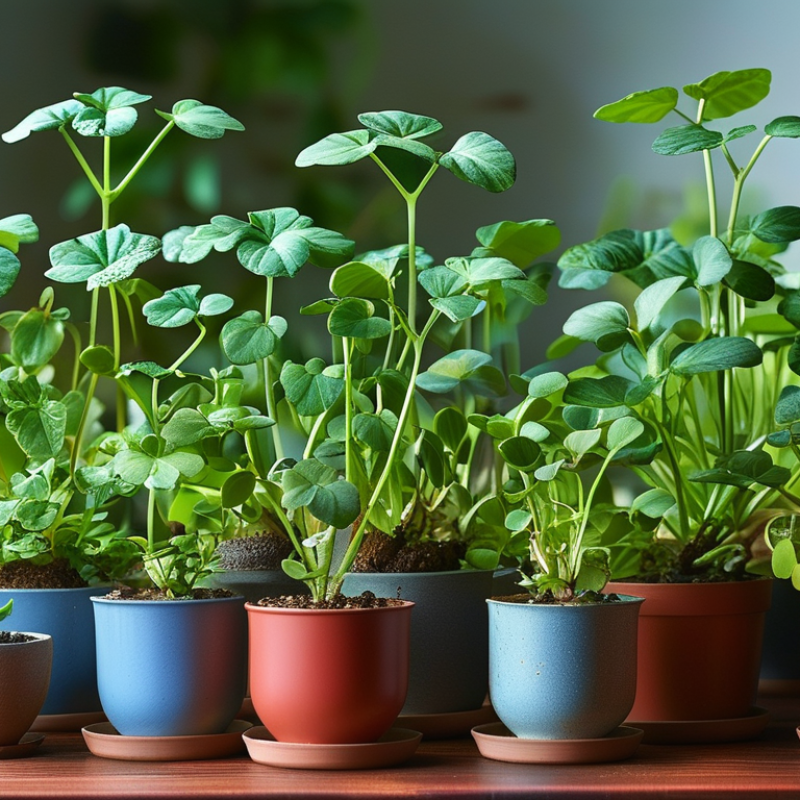
When to Switch Grow Lights from Veg to Bloom Tips?

Understanding the Growth Stages of Plants: Veg vs. Bloom

Understanding the growth stages of plants is crucial for successful cultivation. The vegetative (Veg) stage is focused on leaf and stem growth. This stage typically lasts 4 to 8 weeks, depending on the plant species. During Veg, plants need ample light, usually around 18 to 24 hours a day. This high light exposure promotes the development of strong, healthy structures. Studies show that plants under optimal light conditions can grow up to 30% faster in this phase.

When transitioning to the bloom stage, light duration shifts to 12 hours on and 12 hours off. This change signals the plant to start flowering. The bloom stage is more energy-intensive. It's essential to ensure the plants receive the right spectrum of light. Research indicates that a balanced ratio of red and blue light is crucial during blooming. The right light can enhance resin production and improve the quality of the yield. However, many growers unintentionally prolong the Veg stage, leading to overgrown plants that can suffer from poor flower development.

Monitoring nutrient levels and environmental conditions is vital. During bloom, over-fertilization can lead to nutrient burn. It's important to find the right balance. Some growers report that adjusting light intensity can yield better results. A careful transition from Veg to Bloom can make or break the final product. Reflecting on the growth process is essential for continuous improvement in cultivation techniques.

Signs Indicating It's Time to Switch Grow Lights

Switching grow lights from the vegetative stage to the bloom stage is crucial for successful plant growth. Recognizing the signs that indicate this transition is essential. One key sign is the change in plant structure. As plants mature, they tend to develop thicker stems and denser foliage. If you observe these characteristics, it may be time to switch.

Another indicator is the plant's flowering response. For many plants, after several weeks in the vegetative stage, they will start to show signs of flowering. This could include the appearance of buds or changes in leaf shape. Additionally, monitoring the light cycle is important. A consistent 12-hour light and 12-hour dark cycle often signals it's time for bloom light adjustment.

Finally, keep an eye on your plants' overall health. Yellowing leaves or stunted growth may indicate stress and a need to change light settings. While it's easy to determine when to switch lights, the process is not always perfect. Every plant is different, and factors like strain or environment play roles. Adjustments may be needed based on individual observations. Trust your instincts and adapt based on what you see.

Optimal Light Spectrum for Veg and Bloom Phases

Choosing the right light spectrum is crucial for both vegetative and blooming phases in plant growth. During the vegetative phase, plants thrive under a blue light spectrum. This spectrum promotes leaf growth and supports strong, healthy stems. Aim for a color temperature between 4000K and 6500K. Plants need this light to develop a robust structure before transitioning to the bloom phase.

As plants enter the bloom phase, their lighting needs change. A shift to warmer light, particularly in the red spectrum, encourages flowering and fruit development. Opt for a spectrum around 2700K to 3000K for optimal results. This shift in light not only supports blooming but also helps in increasing yields.

When transitioning between these phases, monitor your plants closely. Look for signs of stretch in your plants, which may indicate they are ready for the bloom phase. Always adjust light intensity and cycle duration accordingly. Regularly check for signs of stress like leaf curling or discoloration. These tips can lead to successful growth and better harvests. Remember, every plant type may have unique preferences, so adapt as necessary.

Best Practices for Transitioning Grow Lights

When transitioning grow lights from the vegetative stage to the bloom stage, timing is essential. Watch your plants closely. When buds begin to form, it’s time to switch. This usually occurs 4-6 weeks into the vegetative stage. Monitor the health of your plants. If they appear stressed or stretched, adjust your lighting strategy.

Best practices for this transition include changing the light spectrum. During the vegetative stage, use lights that promote leafy growth. In bloom, switch to lights that enhance flower development. Adjust the light cycle as well. Flowers typically require 12 hours of light and 12 hours of darkness. Adhering to this can help maximize yields.

Keep an eye on the distance between lights and plants. Too close can cause heat stress; too far may result in stretched plants. Experiment to find the perfect setup. Document your findings to refine your approach over time. Be prepared for some trial and error. Understanding your specific environment is key.

When to Switch Grow Lights from Veg to Bloom Tips? - Best Practices for Transitioning Grow Lights

Growth Stage Recommended Light Spectrum Duration of Light Common Light Types Signs of Transition
Vegetative Blue Spectrum (4000K-6500K) 16-18 Hours LED, Fluorescent Lush green growth, strong stem development
Transition Mixed Spectrum (3000K-5000K) 12-14 Hours HPS, LED Reduced vegetative growth, mild flowering
Blooming Red Spectrum (2700K-3000K) 10-12 Hours HPS, CMH, LED Bud formation, increased resin production

Common Mistakes to Avoid During the Light Switch

Transitioning from the vegetative stage to the bloom stage in indoor gardening requires careful attention. One common mistake is changing the light schedule too abruptly. This can stress your plants. Instead, consider gradually adjusting the light duration. A sudden shift can lead to unwanted results, like delayed flowering.

Another mistake is overlooking the light intensity. During bloom, plants generally require more intense light. Some growers forget this and leave the same settings used in the veg stage. This may cause insufficient energy for flower production. Increasing the light intensity helps plants achieve optimal growth.

Monitoring your plants is essential during this transition. Observing how they respond to the new light conditions is crucial. Pay attention to any signs of stress, such as yellowing leaves or stunted growth. Adjustments may be necessary based on the feedback from your plants. Learning from these experiences can greatly enhance your results.

FAQS

: What is the vegetative stage in plant growth?

: The vegetative stage focuses on leaf and stem growth. It lasts 4 to 8 weeks, depending on the species.

How much light do plants need during the veg phase?

Plants require 18 to 24 hours of light each day. This supports strong, healthy growth.

What changes occur during the bloom stage?

During bloom, the light shifts to 12 hours on and 12 hours off. This change signals flowering.

How can light spectrum affect plant growth?

Blue light is ideal for the veg phase, while red light encourages flowering in the bloom phase.

What is a common mistake when transitioning stages?

A common mistake is changing the light schedule too abruptly. This can stress and delay flowering in plants.

Why is monitoring nutrient levels important?

Over-fertilization can lead to nutrient burn during bloom. Finding the right balance is essential.

How can one improve light intensity for blooming?

Increasing light intensity during bloom helps achieve optimal growth. This is often overlooked by growers.

What signs indicate a plant is ready to bloom?

Look for signs of stretch in plants. This indicates they may be ready for the bloom phase.

What should growers observe during the light transition?

Observing for stress signs like yellowing leaves is crucial. Adjustments may be necessary based on these signs.

How can reflecting on the growth process help growers?

Continuous reflection can enhance cultivation techniques. Learning from past experiences is key to improvement.

Conclusion

Understanding when to switch grow lights from veg to bloom is crucial for optimizing plant growth and yield. The growth stages of plants are divided into vegetative (veg) and blooming (bloom) phases, each requiring different light spectra. Signs indicating it's time to transition include the maturity of the plants and specific growth characteristics. The optimal light spectrum for the veg phase contains more blue wavelengths, while the bloom phase benefits from increased red wavelengths.

When transitioning grow lights, it's essential to gradually adjust the light spectrum and intensity to avoid shocking the plants. Common mistakes to avoid include changing the lights too abruptly or neglecting to monitor the plants' response to the new light conditions. By understanding these key aspects, growers can effectively maximize their plants' potential during the crucial transition from veg to bloom.

Madeline

Madeline

Madeline is a dedicated marketing professional with a wealth of expertise in our company's core offerings. With a keen understanding of the industry, she brings a unique perspective to her role, consistently delivering high-quality content that highlights the superior aspects of our products. As......