When to Switch Grow Lights from Veg to Bloom for Optimal Yield?

Time:2026-05-05 Author:Aria
0%

Determining "when to switch grow lights from veg to bloom" is crucial for maximizing yield in indoor gardening. According to a report by the National Institute of Food and Agriculture, optimal light management can lead to a 20-30% increase in crop productivity. The transition period is sensitive; plants can exhibit stress if the switch is not timed correctly.

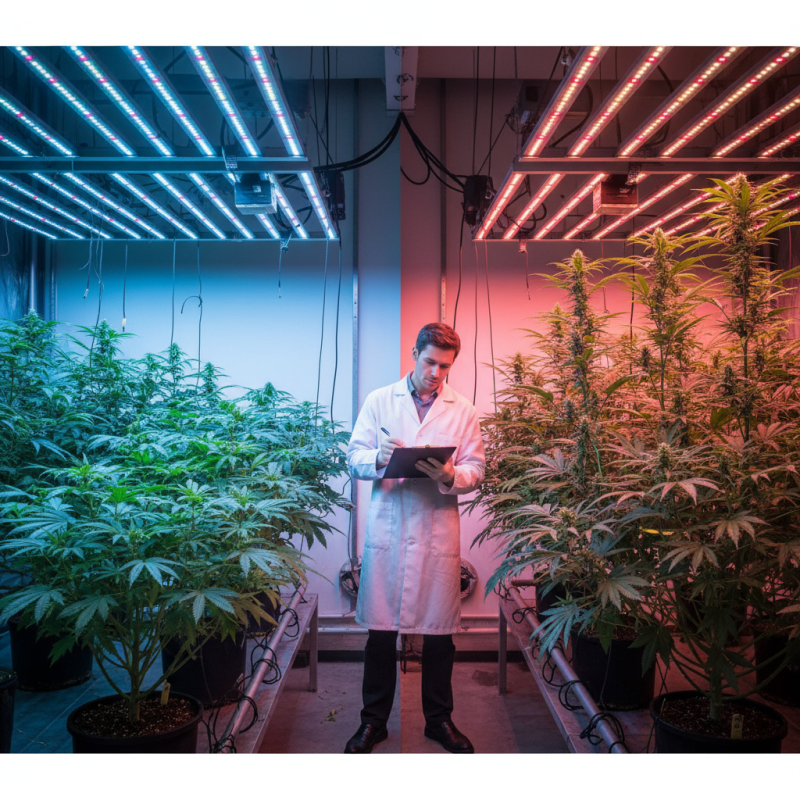
The vegetative and blooming phases require different light spectrums. Vegging plants thrive under blue light, while blooming plants benefit from red light. Recognizing this shift is key. A miscalculation may reduce harvest size or quality. For example, too early a switch can result in smaller flowers, while delaying it can lead to plant overgrowth and nutrient depletion.

Growers often struggle with timing the switch. Visual cues from the plants are valuable but can be misleading. Experience tells us that focusing on plant height and node spacing can aid this decision. Keeping detailed records of previous cycles can refine your timing. Ultimately, understanding "when to switch grow lights from veg to bloom" will enhance your growing strategies while minimizing errors.
When to Switch Grow Lights from Veg to Bloom for Optimal Yield?

Understanding the Growth Cycle: Veg vs. Bloom Stages

Understanding the growth cycle is crucial for optimizing yield. The cultivation process consists of two main stages: vegetative (veg) and blooming (bloom). Each stage has specific light requirements that can significantly affect plant development.

During the veg stage, plants focus on leaf and stem growth. They require more blue light to promote healthy photosynthesis and robust structure. Typically, growers use a light cycle of 18 hours on and 6 hours off. This is when plants establish their foundation and prepare for blooming. Missing the right light schedule can lead to weak plants that struggle later.

As plants transition to the bloom stage, they need more red light. This encourages flowering and fruit production. The light cycle usually shifts to 12 hours on and 12 hours off. It's important to watch for signs of readiness. Some plants may show pre-flowers before the official switch. If you change light too early, you risk underdeveloped fruits. Delays can lead to missed harvest timelines and reduced overall yield.

Balancing these stages is tricky. Growers often find themselves questioning if they’ve timed the switch correctly. Observing your plants closely can guide your decisions. The key is to adapt based on their unique needs.

Indicators for Transition: Signs Your Plants Are Ready to Bloom

As plants transition from the vegetative to the blooming phase, several signs indicate they are ready for grow lights to change. One significant indicator is the plant's height. If plants have reached between 12 to 24 inches, they often signal readiness. Monitoring internode length also helps. Shorter internodes suggest plants are maturing and preparing for flowering.

Another key factor is the color of the leaves. Healthy plants will display vibrant greens. However, if you notice yellowing leaves, this could indicate a need for nutrients. Nutrient deficiencies can slow growth, impacting yields.

Flowering also requires altered light spectra. Research shows that plants thrive under a light spectrum rich in red wavelengths during bloom. Using a combination of blue and red light can enhance flowering and lead to optimal yields. Adjusting the light cycle to 12 hours on and 12 hours off stimulates blooming. Observing these changes closely ensures plants receive the best conditions for their next stage.

Optimal Light Spectrum: Choosing the Right Grow Lights for Each Stage

Choosing the right grow lights is essential for optimal yield in cannabis cultivation. During the vegetative stage, plants thrive under lights with a blue spectrum. Studies indicate blue light promotes chlorophyll production and leaf growth, essential for strong, healthy plants. Reports from horticultural experts suggest using grow lights with a color temperature between 4000K and 6500K during this phase.


As plants transition to the bloom stage, shifting the light spectrum becomes crucial. Red and orange wavelengths, typically found in lights around 2700K, stimulate flowering and fruiting processes. Research shows that exposure to this spectrum can increase flower yield by up to 30%. However, growers often neglect this critical switch, leading to suboptimal results and disappointing harvests. Adjusting to the correct light spectrum can significantly maximize harvest quality.


Selecting the ideal grow lights requires a careful balance of intensity and spectrum. Many growers struggle with light height and duration, which can impact growth stages. Proper monitoring of these elements is necessary for success. Timely adjustments based on plant responses are essential. It’s not about simply switching the lights; it’s about understanding plants' needs at various stages. Ignoring these factors can lead to wasted resources and potential crop failures.

Adjusting Light Duration: How to Change Light Hours Between Stages

When transitioning from the vegetative to the bloom stage, adjusting light duration is crucial. During the vegetative phase, plants thrive on 18-24 hours of light. This high light exposure encourages robust growth and strong stems. As you approach the bloom stage, consider reducing the light cycle to 12 hours of light and 12 hours of darkness. This shift mimics natural seasonal changes, signaling to the plants that it’s time to flower.

Keep a close eye on how your plants respond. Some varieties may need adjustments in their light hours beyond the standard 12/12 cycle. If plants appear stressed or growth stalls, reflect on the lighting intensity and duration. Ensure your setup delivers adequate light, especially during the bloom phase. Monitor the distance and intensity, as weak lighting can lead to poor yields.

Consider the environment as well. Temperature and humidity play roles in how plants utilize light. A tightly controlled environment may require different lighting adjustments. There’s no one-size-fits-all solution. Always observe and document changes to find the best regimen for your specific plants. This evaluation process improves your understanding and can lead to more fruitful harvests.

When to Switch Grow Lights from Veg to Bloom for Optimal Yield

This chart illustrates the optimal light duration in hours for each growth stage of plants, transitioning from seedling to harvest. Adjusting light duration according to these stages can help achieve maximum yield.

Common Mistakes to Avoid: Timing and Transition Issues in Grow Lighting

Transitioning grow lights from the vegetative phase to bloom is critical for maximizing yield. Timing this change can be tricky. Many growers overlook the importance of gradually adjusting light spectra and intensity. According to industry standards, switching too abruptly can stress plants, leading to lower quality buds. Research shows that a slow transition, ideally over a week, helps plants acclimate. This method can enhance the final yield by up to 15%.

Common mistakes include not monitoring light distance from plants. The recommended distance varies by light type and intensity. Lights too close can burn plants, while those too far reduce desired effects. An inconsistent light schedule may confuse plants, delaying flowering. Experts suggest maintaining a stable 12-hour cycle for bloom, as light interruptions can disrupt hormonal responses.

Another factor is the spectrum of light. Many growers mistakenly stick to blue light during bloom. However, full-spectrum options, featuring red light, stimulate flowering effectively. A recent study indicated that using red light during the bloom phase increases yield significantly. Adjusting the light color can lead to a better harvest. Awareness of these details is vital for anyone seeking quality results.

FAQS

: What light spectrum is best for the vegetative stage?

: Blue spectrum lights are ideal, promoting chlorophyll production and leaf growth.

How should light spectrum change during the bloom stage?

Shift to red and orange wavelengths, around 2700K, to stimulate flowering.

Why is adjusting light duration important?

It mimics natural seasons, signaling to plants when to transition from vegetative to bloom.

What is the recommended light exposure during the vegetative phase?

Aim for 18-24 hours of light to encourage robust growth.

What should I do if my plants show stress?

Reflect on light intensity and duration, which may need adjusting.

How do temperature and humidity affect light usage?

They influence how plants utilize light, impacting growth and yield.

Is there a standard light cycle for all plants?

No, some varieties may require specific adjustments beyond the typical 12/12 cycle.

What happens if I ignore light changes?

Neglecting to adjust can lead to wasted resources and disappointing harvests.

How can I improve my lighting setup?

Monitor light distance, intensity, and plant responses over time for better outcomes.

Should I document changes in my grow routine?

Yes, keeping records can enhance your understanding and lead to better harvest results.

Conclusion

Understanding when to switch grow lights from veg to bloom is crucial for maximizing your plants' yield. During the vegetative stage, plants focus on producing leaves and stems, while the bloom stage is when flowering occurs. Indicators such as plant height, leaf structure, and the appearance of pre-flowers can signal that your plants are ready to transition.

Choosing the right light spectrum and adjusting light durations are key factors in optimizing growth for each stage. Typically, plants require more blue light during the vegetative phase and transition to more red light for blooming. It's also important to avoid common mistakes related to timing and the transition process to ensure a successful conversion from the veg stage to the bloom stage, promoting healthy plant development and increased yields.

Aria

Aria

Aria is a dedicated marketing professional with a deep passion for innovative strategies and a keen understanding of our company's product offerings. With a wealth of experience in the industry, Aria excels at crafting engaging content that highlights the unique features and benefits of our......