Top 10 Tips for Using a Light Meter with Indoor Plants?

Time:2026-06-24 Author:Aria
0%

Understanding how to use a light meter for indoor plants can significantly enhance your gardening experience. Light meters help you accurately measure light intensity, which is crucial for plant health. Many indoor plants thrive under specific light conditions. However, even experienced gardeners often struggle with lighting issues.

Using a light meter eliminates guesswork. You can determine if your plants receive adequate light. Without this tool, plants may not grow optimally. A brief miscalculation can lead to yellowing leaves or stunted growth. This guidance will introduce the top tips for using this invaluable device effectively.

You may find some aspects of light measurement daunting. For instance, not all meters are created equal. Choosing the right model can be confusing. Nevertheless, those who invest time in understanding their tools usually reap the rewards in vibrant, healthy plants. Embrace the learning curve as you explore this unique gardening dimension.
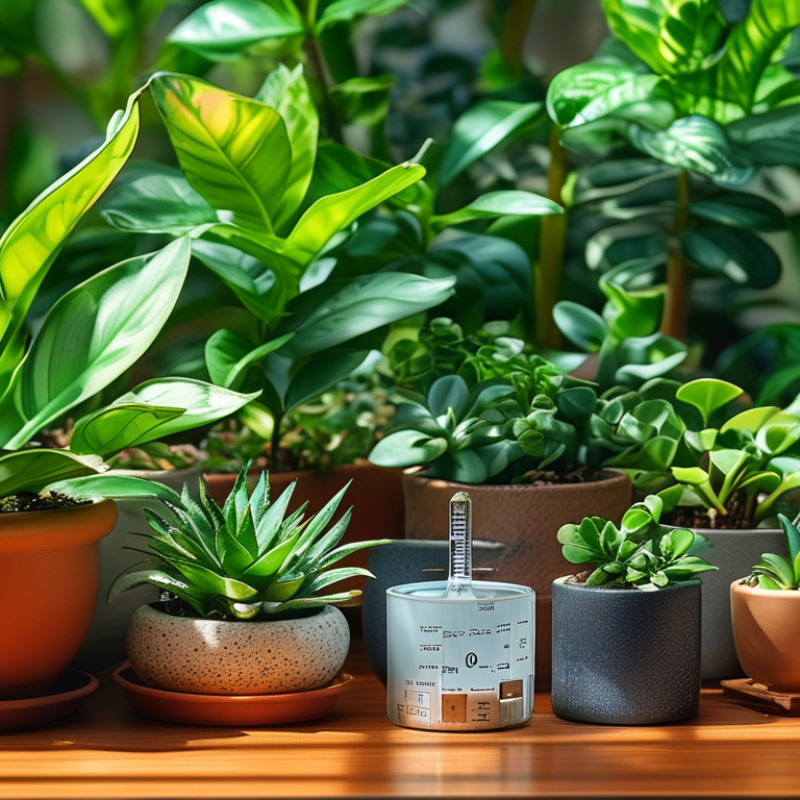
Top 10 Tips for Using a Light Meter with Indoor Plants?

Understanding Light Meters and Their Importance for Indoor Plants

Understanding light meters is essential for indoor gardening. These tools measure light intensity, a critical factor for plant health. Many indoor plants thrive in specific light conditions. A light meter helps determine if your setup meets those needs. It considers various light types, including fluorescent, LED, and natural sunlight. By measuring the light, you can adjust your plant placement accordingly.

Using a light meter is not always straightforward. You might find that one area of your room receives more light than another. Sometimes, it takes patience to learn how to interpret the readings. Different plants require different light levels, which can be frustrating. Understanding these nuances requires time and experience.

Regularly checking light conditions can lead to happier plants. You may notice that plants flourish with the right light exposure. However, overexposure to light can also lead to stress. It’s essential to find a balance. Monitoring light levels will help you make informed decisions, but not every plant reacts the same way. Use your light meter as a guide, but remember to trust your instincts too.

Light Intensity Levels for Indoor Plants

How to Choose the Right Light Meter for Your Indoor Garden

Choosing the right light meter for your indoor garden is essential for plant health. You'll want a meter that accurately measures light intensity. Look for models that measure both foot-candles and lux. This will give you versatility in different lighting conditions. Consider the types of plants you'll grow. Some need high light while others thrive in low light. This affects your choice.

Portability is a key feature to think about. A lightweight and compact meter is easier to use around your plants. Digital meters often provide quick, clear readings. Analog options can be reliable as well, but they require more interpretation. Pay attention to calibration as well. An uncalibrated meter can lead to incorrect readings.

While shopping, read reviews and check user feedback. Some products may seem appealing but lack precision. Keep in mind that your indoor light environment can change. Regularly check your light levels, especially during seasonal shifts. This could influence your plants' growth dramatically. It’s a learning process, and adjustments may take time. Not every meter will perfectly meet your needs. Consider your unique setup and choose accordingly.

Measuring Light: Different Methods and Techniques with Light Meters

Measuring light for indoor plants can be nuanced. Different types of light meters are available, each suited for specific needs. PAR meters measure photosynthetically active radiation. This metric focuses on the spectrum that plants use for photosynthesis. According to industry reports, plants thrive best with a light intensity between 200 to 800 µmol/m²/s, depending on the species.

Using a light meter helps determine the optimal light conditions for your plants. With a handheld light meter, you can measure different areas in your home. Adjustments might be needed based on plant locations. Positioning plants close to windows often increases light exposure. However, some areas might not get enough light, or too much light can scorch delicate leaves. Regular readings can inform these adjustments, ensuring plants get just the right amount of light.

Understanding light duration is also crucial. Many plants require a specific amount of light each day, typically ranging from 12 to 16 hours. By measuring your light environment accurately, you can avoid overexposure or underexposure. Documenting light levels over time reveals patterns. This approach informs better decisions for your plant care routine. Experimentation and observation are often required for optimal results.

Interpreting Light Readings for Optimal Indoor Plant Growth

Understanding light readings is essential for optimizing indoor plant growth. Different plants have varying light requirements. For instance, succulents thrive in bright light, while ferns prefer indirect light. A light meter measures foot-candles or lux, providing precise data about light intensity. Research shows that plants like Monstera deliciosa flourish with a light intensity range of 100 to 800 foot-candles.

Another crucial point is the importance of time of day. Light levels can fluctuate, impacting plant health. Morning light is often cooler and softer, while afternoon light is more intense. Adjusting plant placement based on time-specific readings can maximize growth potential. A study indicated that 70% of indoor gardeners lack sufficient understanding of light conditions, affecting their plants' health.

Reflecting on light conditions can aid in growth. Many growers overlook subtle signs, such as yellowing leaves or slow growth. Regular light readings allow for adjustments that can lead to healthier plants. A balanced approach to light management will enhance your indoor garden's vitality. Embrace the learning process as you experiment with light levels for your diverse plant collection.

Adjusting Plant Placement Based on Light Meter Readings

Indoor plants thrive on the right amount of light. A light meter can help you understand the light levels in your space. Plant placement is crucial for their growth and health. Using a light meter allows you to measure light intensity accurately. This insight can help you determine the ideal location for your plants.

Once you have the meter readings, assess your plants' current placement. Some might be too close to a bright window, while others might need more light. Rotate your plants based on their needs. For example, a plant that shows signs of stretching might be longing for more light. Move it gradually to an area with better access.

Observing changes over time can be enlightening. You may notice that some plants adapt well, while others may struggle. Don’t be discouraged if adjustments take time. Track your plants' responses for a few weeks to find the best placements. Experimentation is key to mastering indoor gardening. Adjust placement as needed, and learn from both successes and challenges.

FAQS

: What should I consider when choosing a light meter for indoor gardening?

: Look for a meter that measures both foot-candles and lux for versatility.

Why is portability important in a light meter?

A lightweight and compact meter is easier to use around plants.

How do digital and analog light meters differ?

Digital meters provide quick readings; analog meters require more interpretation.

Why is calibration important for a light meter?

An uncalibrated meter can give incorrect readings, affecting plant health.

How can light meter readings change seasonally?

Indoor light levels can fluctuate with seasons, impacting plant growth.

What light intensity do most indoor plants need?

Most plants thrive best with light intensities between 200 to 800 µmol/m²/s.

How can I adjust plant placement based on light meter readings?

Assess light levels; move plants that are too close to windows for better light.

What light duration do indoor plants typically require?

Many plants need around 12 to 16 hours of light per day.

How can I document and analyze light levels over time?

Regular readings can help identify patterns and improve plant care routines.

What if my plants don’t adapt well after adjustments?

Track their responses and be patient; some plants may take longer to adjust.

Conclusion

This article provides insightful guidance on how to use a light meter for indoor plants, emphasizing its critical role in nurturing healthy growth. It begins by explaining the importance of light meters, particularly in understanding the light requirements of various indoor plant species. The article then offers tips on selecting the appropriate light meter for your indoor garden, ensuring that it meets the specific needs of your plants.

Additionally, it discusses different methods for measuring light and techniques for interpreting the readings effectively. By understanding these readings, plant owners can make informed decisions about adjusting the placement of their plants to optimize light exposure. Overall, the article serves as a comprehensive resource for anyone looking to enhance their indoor gardening experience through effective light management.

Aria

Aria

Aria is a dedicated marketing professional with a deep passion for innovative strategies and a keen understanding of our company's product offerings. With a wealth of experience in the industry, Aria excels at crafting engaging content that highlights the unique features and benefits of our......