As the demand for high-quality crops increases, growers are turning to supplemental lighting. A study by the American Society of Horticultural Science demonstrates that proper lighting can significantly enhance yield. This raises the vital question: how to increase yield with supplemental lighting?
Effective use of lighting can lead to a 20-40% increase in crop production, according to recent data. Growers must consider light intensity, duration, and spectrum for optimum results. However, it's essential to recognize that improper application may lead to diminishing returns. Overexposure to light can stress plants, affecting growth negatively.
Investing in quality lighting systems is crucial. Selecting the right type of bulbs and placement can be daunting. New technology, like LED lights, offers advantages but requires careful usage. Knowing how to maximize these tools is key to succeeding. Understanding the dynamics of light and plant interaction is essential for thoughtful decision-making in your growing operation.
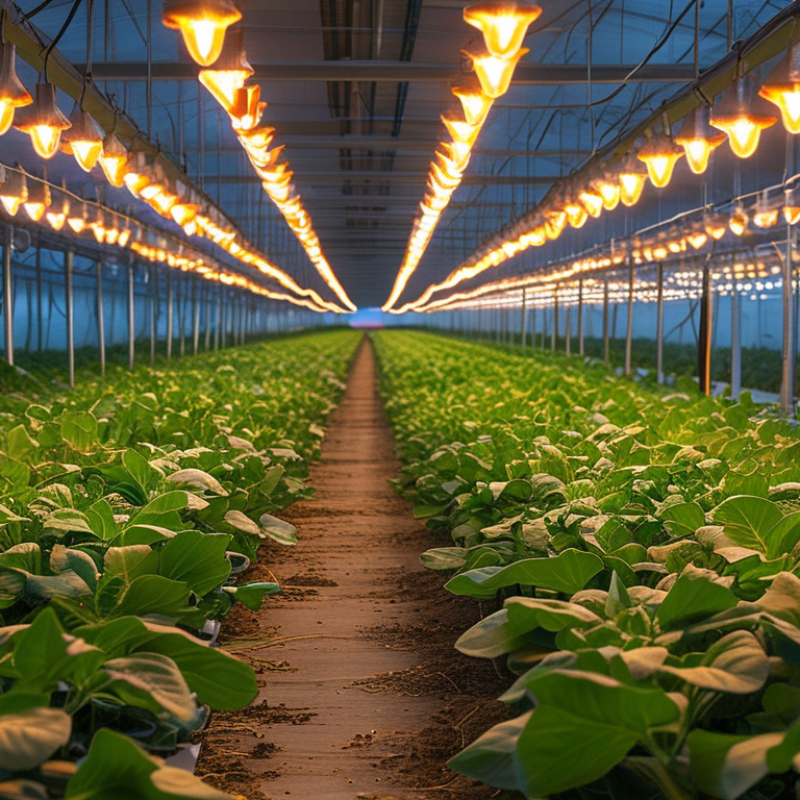
Understanding Supplemental Lighting and Its Importance
Understanding supplemental lighting is crucial for gardeners looking to boost their yield. Good lighting mimics sunlight, which is vital for plant growth. Proper lighting can enhance photosynthesis, encouraging stronger, healthier plants. Different plants have unique lighting needs, so it's important to understand those nuances. For instance, some plants thrive in blue light during vegetative stages, while red light is essential for flowering.
When implementing supplemental lighting, consider the light duration. Most plants need around 12 to 16 hours of light daily. This duration can vary based on the plant species and its growth stage. Another tip is to maintain the right distance between the light source and the plants. Too far away, and plants may stretch; too close can cause leaf burn.
Additionally, experimenting with light intensity can yield interesting results. Some gardeners find that lower intensity encourages bushier growth. It's worth observing how plants react to varying conditions. Regular adjustments can help in finding the perfect balance. Each garden has its unique rhythm, and fine-tuning your lighting will enhance your overall success.
Choosing the Right Type of Grow Lights for Optimal Results
Choosing the right type of grow lights is crucial for optimizing yield. LED lights, fluorescent bulbs, and HID systems serve different needs. Research shows that LED lights can produce 30% higher yields compared to traditional lighting methods. This advantage comes from their energy efficiency and low heat output, allowing plants to grow closer to the light source.
Different plants have unique light spectrum requirements. For example, blue light promotes vegetative growth, while red light enhances flowering. A study indicated that utilizing both spectrums effectively can improve overall plant health and yield by up to 50%. Many growers overlook the importance of light placement and distance. Lights should be adjusted based on the growth stage to avoid light burn or inadequate exposure.
Understanding the light cycle is key. Plants need dark periods to thrive. Continuous light can stress plants, affecting their yield. Research highlights that a 12/12 hour light cycle often yields the best results for flowering plants. Yet, many growers still experiment with different schedules. This trial-and-error process can be worthwhile, though some may find it challenging to identify the optimal settings for their specific conditions.
10 Best Tips to Increase Yield with Supplemental Lighting
| Tip Number |
Tip Description |
Recommended Light Type |
Optimal Light Duration |
Expected Yield Increase |
| 1 |
Use Full-Spectrum Lights |
LED or HPS |
16-18 hours |
Up to 30% |
| 2 |
Adjust Light Height |
LED |
16 hours |
15-25% |
| 3 |
Implement Light Timing |
Fluorescent |
18 hours |
20% |
| 4 |
Use Reflective Surfaces |
LED |
17 hours |
10-15% |
| 5 |
Optimize Color Spectrum |
LED (Red/Blue) |
16-18 hours |
25% |
| 6 |
Maintain Consistent Temperature |
HPS |
16 hours |
20% |
| 7 |
Monitor Humidity Levels |
LED |
18 hours |
15% |
| 8 |
Invest in Quality Equipment |
LED |
16-18 hours |
Up to 35% |
| 9 |
Consider Seasonal Adjustments |
Mixed Light |
Varies |
15-30% |
| 10 |
Track Growth Progress |
All types |
16 hours |
20% |
Timing and Duration: How Much Light Do Your Plants Need?
When it comes to supplemental lighting for plants, timing and duration are crucial.
Plants have specific light requirements, and these can vary significantly among species. Understanding your plants’ natural cycles helps optimize their growth.
During the vegetative stage, most plants thrive on 14 to 16 hours of light daily. Some may require even more.
Be mindful of your plants’ reactions; if they appear leggy, they may need more light.
In the flowering stage, the light duration often decreases to about 12 hours.
This reduction simulates the natural changes in seasons. Conversely, using too much light during this phase can stress the plants.
Observe closely; gauge growth patterns and leaf behavior. Adequate rest periods will encourage flowering and fruiting.
Remember, there is no one-size-fits-all rule; each plant species has unique needs.
Experimentation is key. Adjust your lighting schedule based on observations.
Take notes on growth, health, and yields. Reflect on what works and what doesn't.
A flexible approach allows for better adaptation to your specific environment.
Over time, you will discover the perfect balance for your plants.
Positioning and Distance: Maximizing Light Exposure Efficiently
Effective positioning of supplemental lighting can significantly enhance yield in indoor gardening. One crucial aspect is the distance between your lights and plants. Placing lights too close may cause leaf burn. Conversely, if lights are too far away, plants may not receive adequate light, leading to weak growth. It’s essential to find that sweet spot to optimize light exposure for each plant type.
Another factor to consider is the angle of the light. Aiming lights directly down may not distribute light evenly. Instead, angling the fixtures can help reach all parts of the canopy. This ensures that lower leaves receive sufficient light, promoting fuller plant development. Reflective materials on walls can also enhance light distribution and contribute to overall efficiency.
Testing and adjusting your setup frequently help achieve better outcomes. Observing plant responsiveness to lighting can reveal if adjustments are necessary. However, changes may take time to show results, creating uncertainty. Adequate patience and observation will aid in determining the optimal lighting strategy for your garden. Engaging with fellow gardeners can offer new insights. Each growing environment is unique, so continuous learning is vital.
10 Best Tips to Increase Yield with Supplemental Lighting: Positioning and Distance
Monitoring and Adjusting Light Conditions for Healthier Plants
Effective plant growth hinges on optimal light conditions. Monitoring these conditions requires attention to the specific needs of your plants. Different species have unique light requirements. For instance, leafy greens thrive in lower light, while fruiting plants need more intensity. Regularly check light levels using a PAR meter. This tool measures photosynthetically active radiation, giving you insights into whether your plants receive adequate light.
Adjusting light exposure is equally crucial. If plants stretch or show pale growth, they might need more light. Conversely, scorched leaves indicate excessive light. A timer is helpful for consistent light cycles, mimicking natural day lengths. Experiment with distance from light sources. Higher placement can reduce intensity, while closer light yields stronger growth. Trial and error plays a key role here.
Reflect on your setup regularly. Room temperature and humidity affect light performance. If plants seem unhealthy, assess other factors too. Sometimes, it’s not just about light. Nutrient levels and watering practices also matter. Your goal is to create a balanced environment. Continuous learning and adjustments will lead to healthier plants and increased yields.
Conclusion
Supplemental lighting plays a crucial role in optimizing plant growth and increasing yield in indoor gardening and greenhouse environments. Understanding how to increase yield with supplemental lighting begins with choosing the right type of grow lights. Each type offers different wavelengths and intensities that can significantly impact plant health and productivity.
Moreover, timing and duration are critical factors; plants require specific light cycles to thrive, so monitoring and adjusting these conditions is essential. Additionally, the positioning of grow lights must be carefully considered to maximize exposure without causing damage to the plants. By implementing these strategies, growers can effectively enhance their output and cultivate healthier plants.

 Enova Lighting