Using regular LED bulbs as grow lights has become a hot topic among indoor gardeners. Many wonder, "Can regular LED bulbs be used as grow lights?" According to Dr. Emily Carter, a horticultural expert, “Regular LED bulbs have the potential to support plant growth, but not all types are effective.” This statement captures a crucial aspect of lighting for plants.
The versatility and accessibility of LED technology can certainly benefit hobbyists. However, not every LED bulb can provide the specific light spectrum that plants need. While some options may work, they could be less efficient compared to dedicated grow lights. Standards for lumens, Kelvin ratings, and wattage vary significantly. Some amateur gardeners mistakenly assume that any bright light source will suffice.
Exploring the benefits of using regular LED bulbs as grow lights can reveal surprising advantages. They are energy-efficient and last longer than traditional lighting. However, their performance may not match specialized grow lights. There’s a learning curve in understanding which regular LEDs enhance growth. Thus, it’s essential to do thorough research before making a choice.
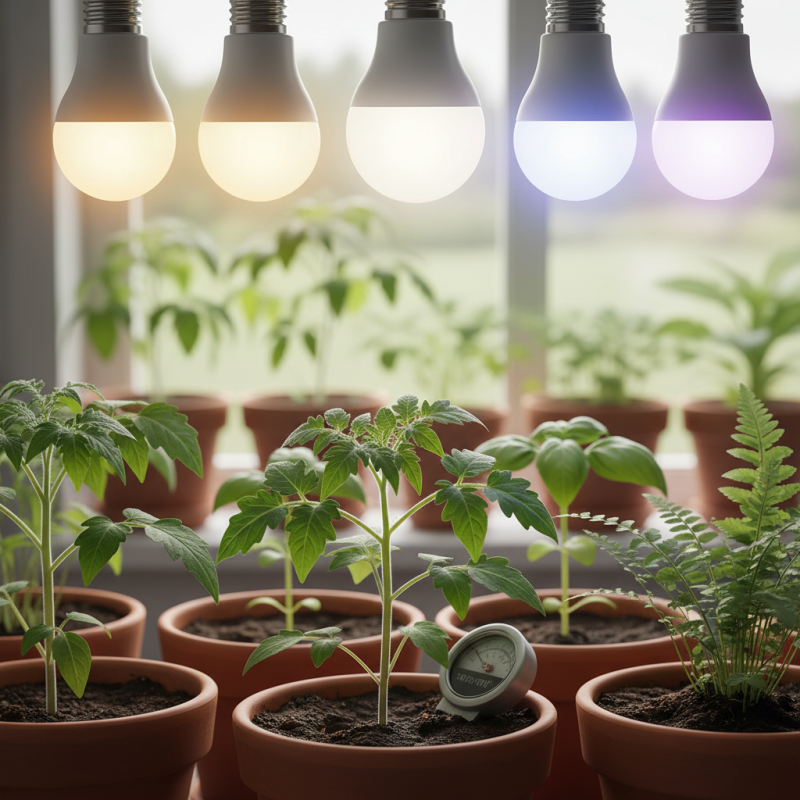
Benefits of Energy Efficiency in LED Grow Lights
When considering grow lights, energy efficiency is a crucial benefit of using LED technology. Regular LED bulbs consume significantly less electricity compared to traditional grow lights. This efficiency helps reduce monthly energy bills, making gardening more affordable. The lower heat output of LEDs also minimizes the risk of heat stress on plants. This means gardeners can provide optimal growing conditions without the added worry of overheating.
The lifespan of LED bulbs is impressive. They typically last up to 25,000 hours, far exceeding that of conventional bulbs. This means fewer replacements, which contributes to lower waste in landfills. However, many gardeners may overlook the initial cost of setup. While LEDs can be more expensive upfront, their long-term savings are undeniable. Understanding the importance of this investment requires careful thought. Balancing short-term expenses with long-term benefits can be challenging.
Incorporating energy-efficient LEDs into your gardening routine not only supports plant growth but also promotes sustainability. As more people commit to greener practices, LED technology becomes increasingly relevant. Still, not all growers adopt these benefits. Some stick to outdated methods, missing out on the advantages that LED lights offer. Being open to change can lead to more fruitful outcomes in the garden.
Improved Plant Growth and Yield with Regular LED Bulbs
Using regular LED bulbs as grow lights offers remarkable benefits for plant growth and yield. These bulbs emit a spectrum of light that is beneficial for photosynthesis. Plants thrive under their glow, allowing for more vigorous growth. Regular LED bulbs are energy-efficient, meaning lower electricity costs for growers. They are also cool to the touch, reducing the risk of overheating plants.
One important detail to consider is the light intensity. While these bulbs can enhance growth, they might not provide sufficient intensity for all plant types. Some plants may require more specialized lighting. It's essential to monitor plants closely and adjust the lighting setup as needed. Regular LED bulbs should be used in conjunction with other growing methods to maximize benefits. Understanding your plants' specific needs is crucial for optimal results.
Cost-Effectiveness of Using LED Bulbs for Indoor Gardening
Using regular LED bulbs for indoor gardening can be a game changer. They are cost-effective and energy-efficient. Regular LED bulbs consume less electricity than traditional grow lights. This leads to lower energy bills over time. For those with limited budgets, this is a significant advantage.
Another benefit is their long lifespan. LED bulbs can last up to 25,000 hours. This means less frequent replacements, saving money in the long run. However, not every plant thrives under LED. Some might need specific wavelengths for optimal growth. You might find experimenting with different types of plants a bit tricky initially. It can lead to unexpected results.
Heat management is also crucial. LED bulbs emit less heat compared to other grow lights. This reduces the risk of plant burn. Yet, balance is key. Some plants still require warmth for growth. Finding the right positioning is often a learning curve. These factors make indoor gardening unique and rewarding.
Top 10 Benefits of Using Regular LED Bulbs as Grow Lights
| Benefit |
Description |
Cost-Effectiveness (1-10) |
| Energy Efficiency |
LED bulbs consume up to 80% less energy than traditional incandescent bulbs. |
9 |
| Long Lifespan |
LED bulbs can last up to 25,000 hours or more, reducing replacement costs. |
8 |
| Low Heat Emission |
LEDs produce less heat, which helps maintain optimal growth conditions. |
7 |
| Full Spectrum |
Many LED grow lights provide a full spectrum suitable for all growth stages. |
9 |
| Environmentally Friendly |
LEDs are free of toxic chemicals like mercury and are fully recyclable. |
8 |
| Instant Lighting |
LED bulbs reach full brightness immediately without warm-up time. |
6 |
| Minimal UV Emission |
Lower UV output reduces the risk of plant burn and damage. |
7 |
| Cost Saving Over Time |
Though initial costs may be higher, energy savings add up significantly. |
9 |
| Versatile Applications |
Can be used in various settings like home gardens, greenhouses, and indoor farms. |
8 |
| Easy Installation |
Simple to install and compatible with existing fixtures and setups. |
7 |
Versatility of LED Bulbs in Various Growing Environments
LED bulbs have revolutionized indoor gardening. Their versatility allows them to thrive in various growing environments. Whether you're nurturing delicate seedlings or maintaining vibrant flowering plants, these bulbs adapt easily. They emit a balanced spectrum of light, essential for photosynthesis. This adaptability makes them suitable for diverse plants, from herbs to succulents.
In a controlled space, LED bulbs adjust to different conditions. They can be placed at varying distances from plants without overheating. This feature is particularly useful for growers who may lack experience. However, choosing the right spectrum for specific growth stages can be challenging. Beginners often need guidance to optimize their light setup.
Moreover, LED bulbs use less energy, making them cost-effective over time. Their lifespan is also significantly longer than traditional bulbs. This longevity brings peace of mind. Yet, it’s important to remember that not all LED bulbs are created equal. Research and user reviews can help identify reliable options. The right choice often depends on individual growing conditions and plant needs.
Top 10 Benefits of Using Regular LED Bulbs as Grow Lights
Minimal Heat Emission: A Key Advantage of LED Grow Lights
LED grow lights have gained popularity for their minimal heat emission, which significantly benefits indoor gardening. Unlike traditional grow lights, LEDs produce much less infrared radiation. According to a study by the Department of Energy, LED lights can emit up to 85% less heat than incandescent bulbs. This means growers can maintain optimal temperatures without additional cooling systems.
This characteristic allows for closer placement of lights to plants. Growers can often place LEDs just a few inches away from plant leaves. This proximity enhances photosynthesis and promotes healthier growth. High-intensity discharge lights, in contrast, generate excess heat. This can stress plants and require extra ventilation, complicating setups.
Reduced heat emission can lead to energy savings. A report from the National Renewable Energy Laboratory states that switching to LED technology can cut energy costs by an average of 75%. Indoor gardens can thrive without excessive cooling, which may save money and resources. Additionally, less heat means less risk of mold and mildew. However, it remains essential for growers to monitor temperatures and humidity closely. Even with low heat, plants still need a balanced environment to flourish.
Conclusion
Regular LED bulbs can indeed be used as grow lights, offering numerous benefits for indoor gardening enthusiasts. One of the key advantages is their energy efficiency, which allows for significant savings on electricity bills while providing essential light for plant growth. Additionally, studies have shown that plants can experience improved growth and higher yields when exposed to the right spectrum of light from these bulbs.
Moreover, the cost-effectiveness of regular LED bulbs makes them an attractive option for hobbyists and professional growers alike. Their versatility allows them to be used in various growing environments, from small indoor setups to larger garden spaces. Another notable benefit is the minimal heat emission of LED lights, which helps maintain optimal growing conditions without risking plant health. Overall, regular LED bulbs represent a smart and efficient choice for those looking to enhance their indoor gardening experience.

 Enova Lighting