Plants are remarkable organisms that require both light and darkness to thrive. Understanding "Why do plants need a dark period" is crucial for successful gardening and agriculture. Research indicates that during darkness, plants engage in essential processes like respiration and metabolism. According to Dr. Emily Green, a noted horticulturist, “Plants primarily repair and rejuvenate during the night.” This emphasizes the integral role of dark periods in plant health.
Studies show that lack of darkness can hinder growth. For example, the American Society of Horticultural Science found that 74% of plant species studied benefitted from a defined dark cycle. This highlights the need for balanced light exposure. Inadequate night periods can lead to weakened plants.
Dark periods also influence flowering and fruiting. For many species, nighttime is when hormone production peaks. Yet, some gardeners overlook this aspect. Ignoring the dark cycle could stunt plant development. Overall, understanding the importance of dark periods is essential for both amateur and professional horticulturists.
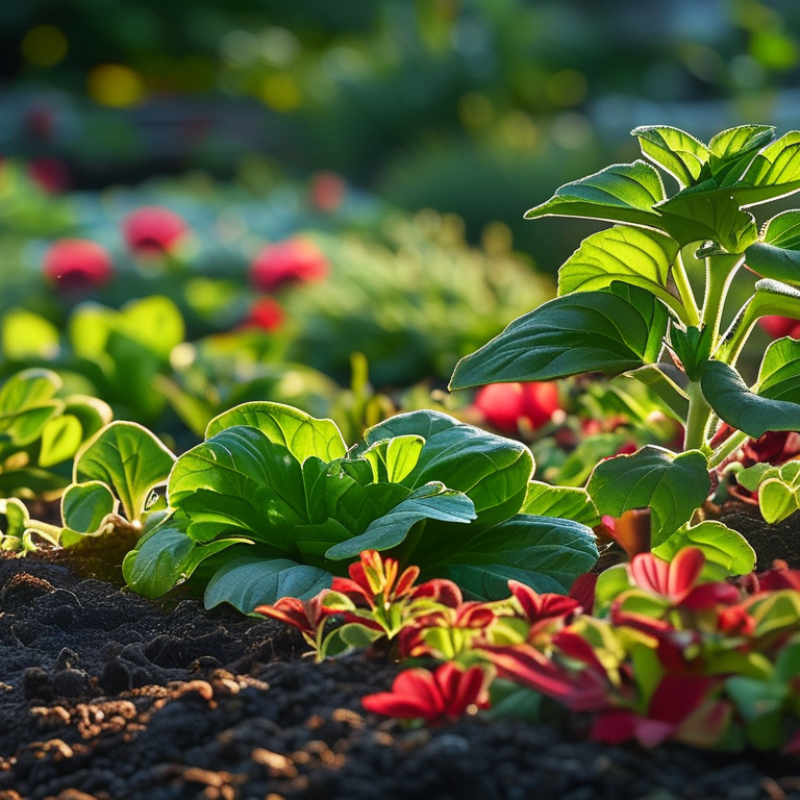
The Role of Darkness in Photosynthesis and Plant Health
Plants rely on darkness as much as they do on light for their overall health. During photosynthesis, plants convert light energy into chemical energy. However, this process doesn't just stop at night. Research indicates that plants utilize the dark period to complete essential metabolic processes, such as respiration and nutrient uptake. Data from the Journal of Experimental Botany shows that night-time respiration can account for up to 50% of total respiration in some plant species.
Moreover, darkness plays a vital role in plant growth regulation. The circadian rhythms of plants are influenced by light and dark cycles. A study published in Plant Physiology highlights that exposure to darkness helps plants calibrate their internal clocks. This synchronization affects growth patterns and flowering times. Without adequate dark periods, plants may become stressed, leading to reduced growth rates and poor yield.
Interestingly, while light is crucial for energy capture, the absence of light allows plants to maintain their health balance. In controlled studies, those with optimal dark durations displayed improved resilience against pests and diseases. This emphasizes the need for a balanced light-dark cycle in horticultural practices. The complexities of plant behavior during dark periods reveal their reliance on darkness beyond mere rest.
Impact of Nighttime on Plant Growth and Development
Plants undergo significant processes during the nighttime that contribute to their growth and development. Photosynthesis, which occurs during the day, is only one part of the story. At night, plants engage in respiration, which is crucial for energy production. This energy fuels various cellular activities necessary for growth. When plants have a dark period, they can unleash their full potential.
Nighttime also promotes the opening of stomata, the tiny pores on leaves. Stomata are essential for gas exchange. They allow plants to take in carbon dioxide and release oxygen efficiently. During the day, stomata often close to prevent water loss. This action highlights the importance of darkness in balancing hydration and gas exchange.
Tips for plant care: Ensure your plants have a proper dark period. Limit artificial light exposure during the night. Try to create a natural light and dark cycle. Monitor plant behavior; wilted leaves could indicate stress. Observe how your plants respond to their night environment. Adjust their conditions accordingly, as not all plants need the same duration of darkness.
Remember, plants are living organisms with unique needs. The right amount of night can be as vital as sunlight. Your attention to these details can lead to healthier plants, promoting rich growth and vitality.
How Darkness Affects Plant Hormone Regulation
Plants require a dark period for various reasons. One significant aspect is how darkness influences hormone regulation. During the night, plants experience a reduction in photosynthesis. This triggers specific hormones to take action. For instance, auxins promote growth and elongation. Without darkness, these hormones cannot function optimally.
Hormones like ethylene increase during the night. Ethylene plays a vital role in fruit ripening and leaf senescence. This process ensures that plants allocate resources effectively. When plants lack a dark period, this balance is disrupted, leading to stress and suboptimal growth.
**Tip:** Ensure your plants have a consistent light-dark cycle. This will help optimize their hormone production.
Another crucial hormone, gibberellin, is also influenced by darkness. Gibberellins are responsible for seed germination and stem elongation. Without sufficient dark periods, seeds might germinate poorly. This can hinder your plants' overall development.
**Tip:** Monitor the light exposure of your plants. Aim for a balance to promote healthy growth.
Evaluate your plant's environment regularly. Consider the effects of both light and darkness on their growth. This simple practice can lead to thriving plants and abundant yields.
The Importance of Rest Periods for Energy Conservation in Plants
Plants, like all living organisms, require rest to function efficiently. During the day, they absorb sunlight and convert it into energy through photosynthesis. However, this process isn't the end of the story. At night, plants enter a dark period crucial for energy conservation. It allows them to recuperate, much like how humans need sleep.
Without a dark period, plants struggle to manage their energy. They risk depleting their resources, which can stunt growth. Inadequate rest can also disrupt essential biological processes. For instance, respiration continues in darkness, breaking down stored energy. This conversion is vital for their survival.
Moreover, not all plants react the same way to light and darkness. Some thrive with longer dark periods, while others need minimal rest. This variability highlights the complexity of plant biology. It's clear that while light fuels plant growth, darkness is equally vital. Observing plants can teach us invaluable lessons about balance and the importance of rest in any living system.
Relation Between Dark Periods and Flowering in Plants
Plants go through various stages of growth, and the
dark period plays a crucial role in their development. During darkness, photosynthesis halts, allowing plants to focus on other vital processes.
This resting phase is essential for proper energy distribution and cellular repair. It might seem counterintuitive, but without dark periods, plants would struggle to thrive.
The relationship between dark periods and flowering is fascinating. Many plants rely on a specific light-dark cycle to trigger flowering.
Some species need extended darkness to stimulate flowering, while others require shorter dark intervals. This sensitivity to light and darkness is known as photoperiodism.
Inadequate dark periods can delay or even prevent flowering in certain plants, disrupting their reproductive cycle.
Temperature and humidity also influence flowering during dark periods. For some plants, fluctuations can affect
hormone production that dictates flowering. Understanding this interplay emphasizes how crucial it is for gardeners and farmers alike to create suitable growth environments.
The intricate relationship between light, darkness, and flowering can be complex. Not all plants respond the same way, highlighting the need for observation and experimentation.
FAQS
: At night, plants engage in respiration, crucial for energy production. This energy supports their growth processes.
Dark periods help plants recover energy and support vital processes, similar to how humans need sleep.
No, different plants have unique needs. Some thrive with longer darkness, while others require minimal rest.
Stomata open at night to allow gas exchange, ensuring plants can take in carbon dioxide and release oxygen efficiently.
Yes, lack of rest can deplete energy, stunt growth, and disrupt essential biological functions.
Photoperiodism is the sensitivity of some plants to specific light-dark cycles that trigger flowering.
Fluctuations in temperature can influence hormone production, affecting flowering in some plants during dark times.
Keep an eye out for wilted leaves or stress signs which may indicate improper night conditions.
Limit artificial light exposure at night. Ensure a natural light and dark cycle for optimal plant health.
Observing plants teaches the importance of balance between light and darkness for their overall well-being.
Conclusion
Plants require a dark period for several crucial reasons that significantly impact their overall health and growth. One primary reason is the role of darkness in photosynthesis; during the night, plants undergo processes that optimize their energy usage, allowing them to store energy generated during the day. Additionally, nighttime significantly influences plant growth and development, with many species showing enhanced growth patterns when granted a proper rest period away from light.
Darkness also plays a vital role in regulating plant hormones, which are essential for various physiological responses, including growth regulation and adaptation to environmental changes. Moreover, specific periods of darkness are essential for energy conservation in plants, allowing them to recover and prepare for the energy demands of the next light cycle. Finally, dark periods can directly influence flowering, as some plants require a specific length of darkness to trigger their blooming phase. Therefore, understanding "why do plants need a dark period" illuminates the essential balance of light and darkness necessary for optimal plant health.

 Enova Lighting