When growing plants in a tent, controlling humidity is crucial. Many growers often ask, "Why is my grow tent humidity too high?" Understanding the reasons behind excessive humidity can help improve plant health and yields. High humidity levels can lead to mold, mildew, and other detrimental conditions.
Common factors include insufficient ventilation and water buildup. A poorly designed airflow system traps moisture. Also, overwatering plants can cause excess humidity. Additionally, high ambient temperatures can exacerbate the issue. It's essential to monitor humidity, especially during flowering stages.
Sometimes, well-meaning growers overlook simple solutions. They may fail to check exhaust fans or temperature settings. This negligence can lead to significant problems later. Reflecting on these factors can improve the overall growing experience. Knowledge and awareness are first steps toward healthier plants.
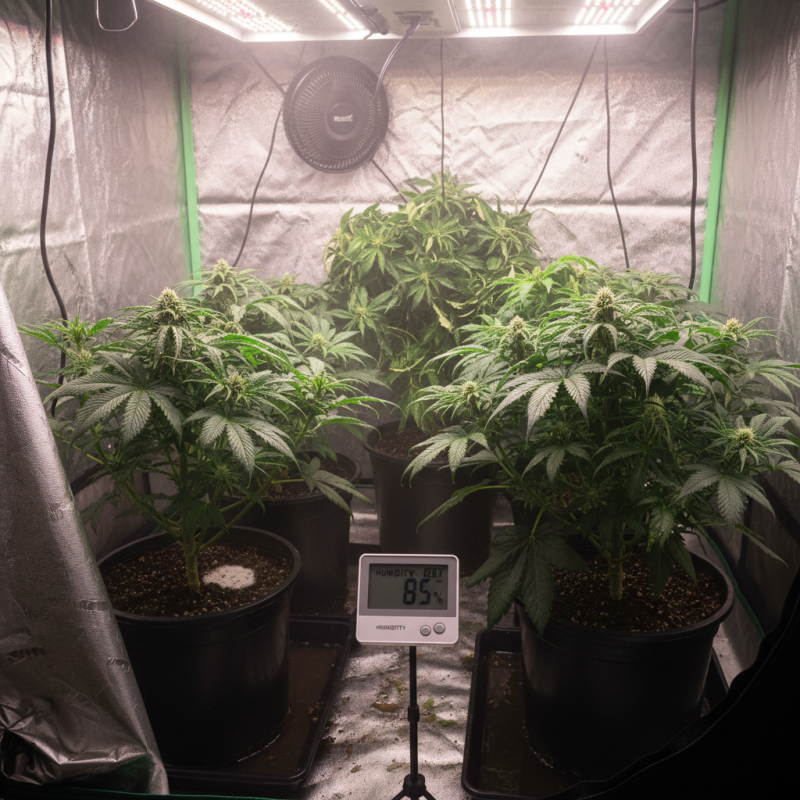
High humidity in grow tents can create an inhospitable environment for your plants.
One major factor is inadequate ventilation.
Stagnant air traps moisture.
Without proper air exchange, humidity levels can soar, leading to mold growth and other issues.
Another contributing factor is
temperature fluctuations.
When temperatures rise inside the tent, humidity levels may also increase.
Warm air holds more moisture.
If cool air doesn't circulate, the humidity can escalate.
Remember the moisture released by plants during
transpiration.
This natural process adds to the humidity levels, especially in dense plant setups.
Watering practices play a significant role too.
Overwatering can lead to excessive moisture in the air.
It's essential to monitor your watering schedule carefully.
Environmental factors like the tent's location also matter.
Tents placed in humid rooms or basements often struggle more with high humidity.
An awareness of these factors can guide improvements in grow tent management.
Transpiration is a key process in managing humidity levels within grow tents. Plants release water vapor during photosynthesis. This naturally raises the humidity. In fact, studies show that transpiration can account for up to 90% of moisture in a grow environment. This process is essential for plant health, but excessively high levels can create problems.
Understanding how different plants transpire is crucial. Some plants, like ferns, transpire more than others, significantly impacting humidity. Managing the plant density in your grow tent is vital. Too many plants can lead to higher humidity levels. Growers should monitor soil moisture and environmental conditions regularly. Using specialized tools can help maintain ideal humidity levels.
Adjusting airflow is another important factor. Fans and ventilation systems can help mitigate excessive moisture. Ensuring a balance between humidity and airflow can prevent mold, which thrives in high humidity. Regularly assessing your grow tent’s conditions can lead to better outcomes. Keep an eye on how plants adapt to their environment. This reflection helps in fine-tuning strategies for optimal growth.
Temperature variations can significantly impact humidity levels in your grow tent. When temperatures rise, air holds more moisture. This can lead to higher humidity, especially during lights-off periods. Conversely, cooler conditions can cause condensation to form, leading to uneven humidity levels.
Maintaining a stable temperature is crucial. Consider using heaters or cooling systems to regulate the environment. Monitor the temperature regularly. Small fluctuations can easily lead to rapid changes in humidity. It’s important to remember that excessive humidity can harm your plants. Mold and mildew thrive in high moisture environments. Regular checks are necessary to ensure a healthy growing space.
Humidity control measures are essential in grow tent management. Invest time in understanding your setup. Utilize hygrometers to track moisture accurately. If humidity consistently spikes, reflect on your ventilation strategies. Adjusting air circulation can help balance humidity levels. Awareness of indoor climate dynamics is key to successful cultivation.
Proper ventilation is crucial for controlling humidity in grow tents. High humidity levels can lead to mold, mildew, and plant stress. Ensure your tent has adequate airflow by using fans strategically. Placing fans at different heights helps distribute air evenly. This can prevent hotspots and encourage healthy plant growth.
Consider installing air intake and exhaust systems. These systems work together to regulate temperature and humidity. They bring fresh air in while pushing stale air out. Monitor humidity regularly using hygrometers. This helps you make quick adjustments when needed. Keeping humidity levels between 40% and 60% is ideal for many plants.
Reflect on your setup often. Are you using enough ventilation? Sometimes, a simple fan adjustment can make a big difference. It's not just about having equipment; placement matters too. Regular checks will help you catch potential issues early. Proper ventilation is an ongoing process that requires your attention.
| Reason | Description | Best Practice |
|---|---|---|
| Poor Ventilation | Insufficient airflow can lead to stagnant air and increased humidity. | Install fans and ensure proper exhaust systems are in place. |
| Watering Practices | Overwatering plants can increase humidity levels. | Water plants as needed and avoid excess runoff. |
| High Temperatures | Heat increases evaporation, which can raise humidity levels. | Maintain optimal temperature ranges to minimize humidity. |
| Inadequate Air Exchange | Limited fresh air can lead to humidity buildup. | Increase air exchange rates with fans or vents. |
| Plant Transpiration | Plants release moisture into the air, increasing humidity. | Monitor plant density and spacing to improve airflow. |
| Humidity in Soil | Wet soil can release moisture into the air. | Use well-draining soil and pots to minimize moisture retention. |
| Closed Environment | A sealed grow tent without ventilation can trap humidity. | Utilize dehumidifiers and ensure proper air circulation. |
| Climate Control Issues | Poor climate control can lead to unregulated humidity. | Use climate controllers to maintain stable conditions. |
| Inadequate Equipment | Using outdated or insufficient equipment can hinder humidity control. | Invest in quality fans, heaters, and dehumidifiers. |
| Lack of Maintenance | Neglecting equipment maintenance can reduce performance. | Regularly check and maintain all ventilation equipment. |
Managing humidity in a grow tent is crucial for healthy plants. Essential equipment makes this task easier. A reliable hygrometer is the first step. This tool measures the humidity levels inside your tent. It can help you identify fluctuations quickly. Place it at plant level for the best accuracy.
A dehumidifier is another effective device. It removes excess moisture, helping maintain optimal levels. Look for one that suits your grow space size. Ventilation fans also play a vital role. They circulate air, preventing moisture accumulation. Ensure your exhaust system is effective.
Consider using a humidistat as well. This device automatically controls humidity levels by activating the dehumidifier. Sometimes, manual adjustments may be needed. If humidity remains high, check for leaks or inadequate airflow. Reflect on your current setup. Minor tweaks can lead to significant improvements. Always monitor and adjust to achieve the best environment for your plants.
: Inadequate ventilation is a primary cause. Stagnant air traps moisture, leading to high humidity.
Rising temperatures can increase humidity. Warm air holds more moisture, especially without cool air circulation.
It’s the process where plants release water vapor. This can account for up to 90% of moisture in grow tents.
Overwatering increases moisture in the air. Monitoring your watering schedule is crucial for humidity control.
Avoid humid rooms or basements. The tent's location can significantly affect humidity levels.
Use fans and ventilation systems. Adjusting airflow helps prevent mold in high humidity conditions.
Specialized tools like hygrometers are useful. Regular checks can help maintain ideal humidity levels.
Yes, plant density matters. More plants can lead to higher humidity, so monitor their conditions regularly.
Excessive humidity can lead to mold and mildew. Regular assessments are necessary to protect your plants.
Consider using heaters or cooling systems. Small fluctuations can lead to rapid changes in humidity.
High humidity levels in grow tents can pose significant challenges for indoor gardeners. "Why is my grow tent humidity too high?" is a common question, and understanding the environmental factors at play is crucial. Key contributors include factors such as high plant transpiration rates, temperature variations, and inadequate ventilation systems. When plants release moisture into the air, it can elevate humidity levels, particularly in poorly ventilated spaces.
To manage humidity effectively, it's essential to monitor temperature changes and enhance airflow within the tent. Employing proper ventilation techniques, such as exhaust fans and intake vents, can significantly reduce excess moisture buildup. Additionally, investing in reliable humidity monitoring equipment allows growers to track and manage moisture levels proactively, ensuring a healthier environment for their plants. By addressing these factors, indoor gardeners can create optimal conditions and mitigate issues related to high humidity.

Enova Lighting