When to Use UV and IR for Optimal Growth Cycle Tips?

Time:2026-05-31 Author:Charlotte
0%

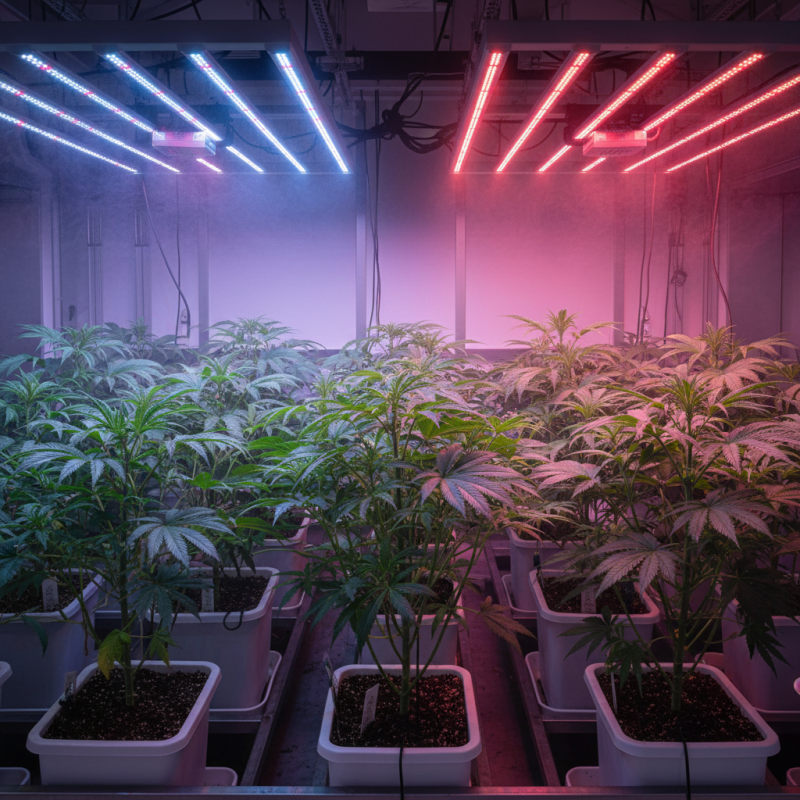
Understanding "When to use UV and IR in a growth cycle" is crucial for optimizing plant health and yield. Research from the American Society for Horticultural Science reveals that UV radiation can enhance flavonoid content, improving plant resilience. Similarly, IR light is essential for promoting photosynthesis and stem elongation. Each type of light serves a distinct purpose in the plant life cycle.

Using UV light can stimulate secondary metabolites, which may lead to better quality crops. A study published in the Journal of Agricultural and Food Chemistry indicated that crops exposed to UV light showed a 30% increase in antioxidant levels. On the other hand, IR light helps in maintaining optimal temperatures for seed germination and root development. However, timing is everything. Misapplication can lead to stunted growth or nutrient imbalance.

Growers must consider species-specific requirements when determining light exposure. The effects of UV and IR are not universally beneficial. Overexposure can lead to stress, indicating the importance of careful planning. Each growth cycle presents unique challenges that require critical thinking and adaptability. Balancing the use of UV and IR can vastly improve plant performance, but it requires a nuanced understanding of light's role in growth.
When to Use UV and IR for Optimal Growth Cycle Tips?

Optimal Growth Cycles: Understanding UV and IR Light Use

Understanding the role of UV and IR light in optimal growth cycles is crucial for many plants. UV light can stimulate the production of essential oils and secondary metabolites. This is beneficial for crops that rely on these compounds for flavor and aroma. However, excessive UV exposure may lead to stress and damage. Balancing this light source is vital.

Infrared light, on the other hand, plays a different role. It warms the plants, encouraging growth and photosynthesis. While it can enhance growth, overexposure can cause overheating. It's important to monitor temperature and humidity closely. One must experiment to find the right balance. Adjusting the distance and intensity of light sources is often necessary.

Growers should observe the plants' response to both UV and IR. Not every plant will respond the same way to different light spectrums. Trial and error can lead to unexpected insights. Sometimes, adjustments lead to better growth than initially anticipated. It's a dynamic process, requiring continuous observation and adaptation to achieve optimal results.

When to Use UV and IR for Optimal Growth Cycle Tips?

Growth Phase Optimal UV Light Use Optimal IR Light Use Recommended Duration Effects on Growth
Seedling Stage 15-30% UV-B 10% IR 14-16 hours Enhanced root development
Vegetative Stage 20-40% UV-A 20-30% IR 16-18 hours Promotes bushy growth
Flowering Stage 30-50% UV-B 25-35% IR 12-14 hours Improves flower yield
Harvest Stage Same as flowering stage 10-15% IR 8-10 hours Enhances final quality

Key Factors Influencing Plant Growth with UV and IR Light

The growth cycle of plants significantly benefits from ultraviolet (UV) and infrared (IR) light. Research indicates that UV light enhances plant defense mechanisms and promotes secondary metabolite production. In contrast, IR light optimizes photosynthesis by increasing the temperature of the leaf surface. These wavelengths play a crucial role in plant health and yield.

Tips: Consider using UV light during the flowering stage. A study showed that plants exposed to UV during this phase produced higher fruit quality. Similarly, integrating IR wavelengths can prolong the growth period. Monitor plant responses closely to fine-tune light exposure.

Key factors influencing growth include light intensity, exposure duration, and plant species. Each of these variables affects how plants absorb these specific wavelengths. For instance, some crops thrive better with varying levels of UV intensity. Observing the plant’s reaction is key to optimizing their environment. Remember, overexposure to UV can lead to damage. Balancing these elements can enhance overall plant performance.

Optimal Growth Cycle Tips: UV and IR Light Impact on Plant Growth

Best Timing for Introducing UV and IR Light in Growth Cycles

Introducing UV and IR light at the right moments can significantly enhance plant growth. UV light helps in increasing the production of essential oils and flavonoids. This is particularly beneficial during the flowering stage. On the other hand, IR light promotes photosynthesis and can boost growth during the vegetative phase.

Timing is crucial when integrating these lights into growth cycles. For instance, during the early growth stages, it’s vital to utilize IR to support strong root development. As plants transition to flowering, introducing limited UV can encourage larger blooms and more aromatic profiles. However, caution is necessary. Too much UV exposure can stress plants, leading to stunted growth.

Plant health can show signs of overexposure. Leaf burn or discoloration might occur with excessive UV light. Adjusting light intensity and timing thoughtfully prevents potential setbacks. Observing plant reactions is key to optimizing growth using UV and IR lights. Each plant species may respond differently, requiring ongoing adjustments.

Comparative Benefits of UV and IR in Different Growth Stages

In the world of plant growth, ultraviolet (UV) and infrared (IR) light play pivotal roles. Different growth stages require different light spectrums. UV light promotes robust development during the vegetative stage. Research indicates that UV exposure can increase secondary metabolite production, enhancing plant resistance. A study found that UV-B light improved certain crops' antioxidant levels by up to 40%. This increase in compounds can lead to healthier plants.

In contrast, IR light is essential during the flowering and fruiting stages. Its longer wavelengths penetrate deeper, encouraging photosynthesis and energy efficiency. According to industry reports, using IR light can increase yields by 15-20%. Plants exposed to IR exhibit more vigorous flowering and fruit set. However, excessive IR can lead to overheating. This balance is crucial for optimal results.

Each plant species reacts differently. Thus, it’s essential to monitor growth closely. The right spectrums can significantly enhance growth cycles. Adjustments may be needed depending on specific environmental conditions. Understanding these nuances can lead to better crop management strategies and more reliable harvest outcomes.

Practical Tips for Implementing UV and IR Lighting Techniques

When utilizing UV and IR lighting techniques, it's crucial to implement them effectively to support optimal growth cycles. UV light can enhance plant resilience. In a study published by the Journal of Horticultural Science, UV-B exposure increased flavonoid content by up to 30% in certain crops. This indicates benefits in both nutritional value and taste. Applying UV light during specific growth stages can help improve overall yield while maintaining plant health.

In contrast, infrared (IR) light plays a significant role in thermal regulation. Research from the American Society of Agricultural and Biological Engineers suggests that IR can accelerate plant growth by promoting photosynthesis under specific conditions. For instance, using IR lamps during the night can enhance root development without stressing the plants. However, improper usage of IR may lead to overheating, which can be detrimental.

Careful monitoring of the light spectrum and intensity is essential. Too much UV can cause stress and leaf burn. Similarly, excessive IR can hinder growth. Utilizing timers and sensors can offer a more controlled environment, but beginner growers may find this setup complex and prone to errors. The learning curve must be considered in practical applications. Balancing both UV and IR effectively requires observation and adjustment.

FAQS

: What is the role of UV light in plant growth?

: UV light stimulates the production of essential oils and secondary metabolites, beneficial for flavor and aroma.

How does infrared light help plants?

Infrared light warms plants, enhancing growth and photosynthesis, but can cause overheating if overexposed.

Can all plants respond similarly to UV and IR light?

No, different plants may react differently to these light spectrums, requiring individual observation.

What happens if plants get too much UV light?

Excessive UV light can lead to plant stress, damage, and signs like leaf burn or discoloration.

When is the best time to use UV light?

UV light is most beneficial during the flowering stage, enhancing fruit quality and aroma.

How can growers monitor light exposure?

Growers need to observe plant responses and adjust light intensity and duration accordingly to avoid damage.

Is there a risk with IR light exposure?

Yes, overexposure to IR can lead to overheating. Monitoring temperature and humidity is essential.

What factors influence how plants absorb UV and IR light?

Light intensity, exposure duration, and plant species significantly affect absorption and growth rates.

Why is timing important in light introduction?

Proper timing can optimize growth; IR supports early stages and UV aids during flowering. Too much can harm plants.

What is the importance of trial and error in plant growth?

Experimenting with light exposure can lead to unexpected benefits, requiring adjustments for optimal results.

Conclusion

Understanding when to use UV and IR in a growth cycle is crucial for optimizing plant health and yield. This article explores the optimal growth cycles, emphasizing how UV (ultraviolet) and IR (infrared) light influence plant development. Key factors affecting plant growth with these light types include intensity, exposure duration, and the specific growth stage of the plants.

Furthermore, the article discusses the best timing for introducing UV and IR light within different growth cycles, highlighting their comparative benefits across various stages, from germination to flowering. By following practical tips for implementing UV and IR lighting techniques effectively, growers can enhance plant productivity and quality, ensuring a flourishing growth environment.

Charlotte

Charlotte

Charlotte is a seasoned marketing professional with a deep understanding of the company's portfolio and a passion for elevating its presence in the market. With a keen eye for detail and a commitment to excellence, she ensures that our professional blog is regularly updated with insightful articles......