How to Properly Vent a Grow Tent Without a Window?

Time:2026-06-19 Author:Mason
0%

Managing a grow tent without a window can seem daunting. Yet, it is a common scenario for indoor gardening enthusiasts. According to industry reports, nearly 60% of indoor growers face ventilation challenges. Proper ventilation is essential for plant health and growth. Without it, humidity can soar, leading to mold and pest problems.

Understanding how to vent a grow tent without a window is vital. Many growers initially overlook this aspect. Research shows that stagnant air can stunt growth and reduce yields. Effective ventilation methods are crucial for maintaining optimal temperatures and humidity levels.

When planning ventilation, consider using inline fans and ducting systems. These tools can help circulate air efficiently. However, it's not just about installation; sizing matters. Oversizing can lead to excessive airflow, while undersized systems might not be effective. As you navigate this process, reflect on your setup's unique needs. Fine-tuning can lead to successful harvests and a thriving indoor garden.
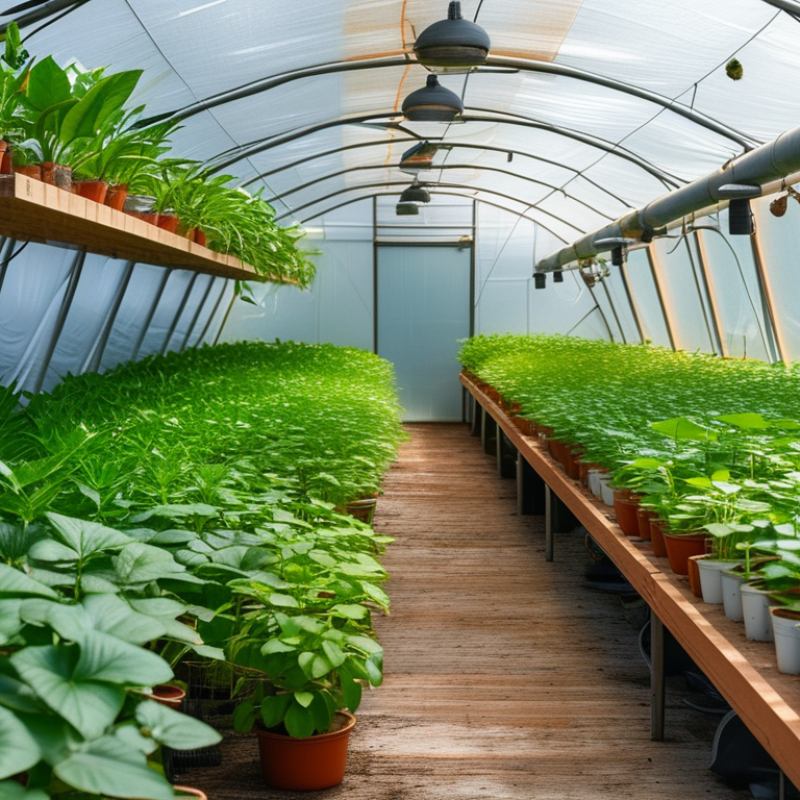
How to Properly Vent a Grow Tent Without a Window?

Understanding Ventilation Needs for Grow Tents

Proper ventilation is essential for grow tents, especially when there's no window. Plants need fresh air to thrive. Proper airflow helps regulate temperature and humidity levels. A study by the American Society for Horticultural Science highlights that adequate ventilation can increase yield by up to 30%. Understanding specific ventilation needs is crucial for healthy plant growth.

Exhaust fans can effectively remove warm, stale air. A well-placed intake fan can draw in cooler air. This balance creates an ideal environment. Remember, the tent's size dictates the fan power needed. For example, a 2x2 tent requires less airflow than a 4x4 tent. Use a carbon filter to minimize odor dispersion. Clean filters every few weeks to ensure efficiency.

Tips: Monitor temperature and humidity regularly. Ideal temperature should be around 70-85°F with 40-60% humidity. If plants show signs of stress, like curling leaves, re-evaluate air circulation. During peak growth phases, increase ventilation to support higher oxygen intake. Consider using a hygrometer to obtain precise measurements. Small adjustments can lead to significant health improvements in your plants.

Identifying Suitable Extraction Fans for Your Grow Tent

When venting a grow tent without a window, choosing the right extraction fan is crucial. A well-ventilated space can prevent issues like mold growth and heat build-up. The ideal extraction fan should be capable of exchanging air efficiently. For a standard 4x4 grow tent, a fan rated between 200-400 CFM is often recommended. This ensures adequate airflow and maintains a stable environment for your plants.

Consider the noise level of your extraction fan. Quiet operation is frequently overlooked. Noise can disturb your home environment. Many gardeners prefer fans with sound-dampening features, which create a more peaceful growing space. According to industry reports, approximately 30% of indoor growers report issues with noisy fans. It’s essential to strike a balance between performance and noise.

Tip: Install a carbon filter to the extraction fan to eliminate odors without sacrificing airflow. Remember to clean filters regularly for optimal performance. A well-maintained system enhances air quality, benefitting plant health. Another tip is to create passive intake vents. This promotes fresh air entry while facilitating efficient airflow. Taking these small steps can significantly impact your grow tent's success.

Implementing Passive Intake Systems for Improved Airflow

Ventilating a grow tent without a window is challenging. Passive intake systems can greatly improve airflow. These systems utilize natural pressure differences to facilitate air exchange. By using vents or ducts, fresh air can enter while stale air is pushed out. This creates a healthier environment for plants.

Enhancing your passive intake system starts with size and placement. Larger intakes will allow more air in. Ensure the intakes are positioned near the ground. Cool air enters from below while warm air exits at the top. This promotes efficient circulation. Check for blockages regularly and make adjustments as needed.

Consider adding filters to your passive intake systems. They help in maintaining air quality by preventing dust and pests. Regular maintenance is essential for optimal performance. Sometimes, you might notice inadequate airflow despite your best efforts. It’s okay to rethink your setup and explore additional solutions. Proper ventilation is vital but not always straightforward.

Grow Tent Airflow Management

Using Carbon Filters to Control Odors in Ventless Spaces

Proper ventilation can be challenging in a grow tent without a window. However, using carbon filters provides an effective solution for odor control. Carbon filters absorb unwanted smells, ensuring your space remains fresh. Choosing the right size filter is crucial. A smaller filter might not eliminate odors completely, while an oversized one can be too powerful, creating excess airflow.

When setting up a carbon filter, consider its placement. Position it near the exhaust fan to maximize efficiency. Ensure that the ducting is smooth and free from bends. Sharp turns can impede airflow. Regularly check the filter’s condition. Over time, it may become clogged and require replacement. A neglected filter loses its odor-absorbing capabilities.

Some growers overlook the importance of air circulation. Even with a carbon filter, stagnant air can lead to odor issues. Adding an oscillating fan helps distribute air evenly. It can also prevent hotspots where odors might linger. Regular monitoring of your grow tent’s environment is essential. It creates a better growth experience and keeps unwanted smells at bay.

Creating an Efficient Ducting Setup for Optimal Air Exchange

Ventilation is crucial for any grow tent, especially without a window. An efficient ducting setup allows for optimal air exchange. Start by assessing your tent size. The right ducting will depend on your space. Use inline fans to create airflow. They help push stale air out and bring fresh air in.

Consider using flexible ducting material. It can adapt to tight spaces and make routing easier. Place your fan near the top of the tent. Hot air rises, so this placement will effectively expel it. Ensure that your intake is near the bottom. Cooler air will flow in, creating a natural cycle.

Check for light leaks in your duct setup. Any leaks can hinder efficiency. A poorly sealed duct can lead to unbalanced temperatures. Reflect on your airflow. Too much or too little can impact plant health. Monitor humidity levels, as high humidity can be damaging. Regular adjustments to your setup may be necessary for optimal conditions.

FAQS

: What is the purpose of a passive intake system?

: It improves airflow by using natural pressure differences. This allows fresh air in and stale air out.

How do I enhance my passive intake system?

Use larger intakes positioned near the ground. This promotes better air circulation inside the tent.

Why should I add filters to my intake systems?

Filters maintain air quality by preventing dust and pests from entering your grow tent.

What common issues might I face with airflow?

You may experience inadequate airflow even after adjustments. It’s important to reassess your setup periodically.

How important is the placement of a carbon filter?

Proper placement near the exhaust fan maximizes efficiency and helps eliminate odors effectively.

How can I improve air circulation in my grow tent?

Adding an oscillating fan helps distribute air and prevents stagnant areas where odors can accumulate.

What should I monitor in my ducting setup?

Check for light leaks and ensure ducts are sealed. Leaks can lead to temperature imbalances.

Why is regular maintenance important for ventilation systems?

Neglected systems can lose performance, affecting air quality and plant health. Regular checks are necessary.

What materials should I use for ducting?

Flexible ducting is ideal for tight spaces and easier routing. It ensures optimal airflow.

How do humidity levels affect my grow tent?

High humidity can be damaging. Regular monitoring and adjustments are essential for healthy plants.

Conclusion

When considering how to vent a grow tent without a window, it's essential to first understand the ventilation needs specific to your setup. Adequate airflow is crucial for maintaining optimal temperatures and humidity levels, which can be achieved by identifying suitable extraction fans that match the size and requirements of your grow tent.

Additionally, implementing passive intake systems can greatly enhance airflow by allowing fresh air to enter the tent naturally. Using carbon filters is vital to control odors, especially in confined spaces without windows. Finally, creating an efficient ducting setup will ensure optimal air exchange, promoting a healthier environment for your plants to thrive. By strategically combining these elements, you can effectively manage ventilation in a windowless grow tent.

Mason

Mason

Mason is a seasoned marketing professional with a deep expertise in the company's offerings and a passion for driving brand awareness. With a strong background in digital marketing strategies, he has an innate ability to connect with diverse audiences and effectively communicate product benefits.......