Electricity can become one of the largest operating expenses in an indoor growing room. A lamp drawing 600 watts, running 16 hours daily, consumes about 9.6 kilowatt-hours each day. At $0.15 per kilowatt-hour, lighting alone costs approximately $1.44 daily, before cooling, ventilation, and controls. Small errors become expensive.
Learning How to calculate electricity cost for grow lights helps growers compare fixtures, schedules, and utility rates with greater confidence. The basic formula is simple: wattage ÷ 1,000 × operating hours × electricity price. For example, four 600-watt fixtures running 16 hours daily consume roughly 1,152 kWh monthly. Their estimated lighting cost reaches $172.80 at the same utility rate. Actual bills may differ because of demand charges, seasonal pricing, taxes, and driver losses.
Industry data supports measuring performance rather than trusting marketing claims. The U.S. Department of Energy’s solid-state lighting reports show that LED technology can substantially reduce energy use compared with older lighting technologies. However, fixture efficiency alone does not determine production cost. The DesignLights Consortium’s Horticultural Lighting Qualified Products List emphasizes measurable specifications, including photosynthetic photon efficacy and power consumption. These metrics make product comparisons more practical.
Real rooms are less predictable. Dust, heat, dimming settings, and aging drivers can change results. A watt meter and one month of utility records often reveal more than a brochure. I should note one limitation: electricity prices vary widely by region, so no online example can replace a local tariff check. Still, a clear calculation creates a reliable starting point for budgeting, equipment selection, and long-term operational decisions.
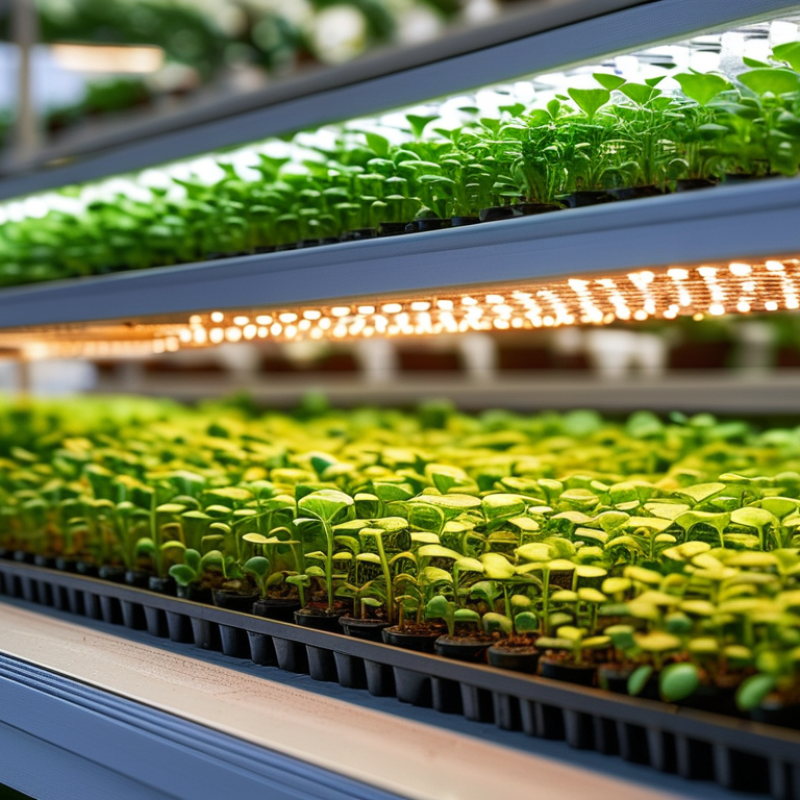
Electricity Use in Grow Lights
Electricity Use in Grow Lights
Grow lights turn electrical energy into light, heat, and sometimes noise from cooling fans. Their electricity use depends on wattage, daily operating time, and the local energy rate. A 240-watt light running for 16 hours uses 3.84 kilowatt-hours each day. Multiply that figure by your electricity price to estimate the daily cost.
The calculation is simple. Wattage × operating hours ÷ 1,000 equals daily kilowatt-hours. For example, 240 × 16 ÷ 1,000 equals 3.84 kWh. Over 30 days, that becomes 115.2 kWh. A timer helps maintain consistent hours, but it does not reduce consumption by itself. Dimming the light can lower usage, although plant growth may also change.
My first estimate for a small indoor garden was too low because I counted only the lamp. Fans, controllers, and ventilation added noticeable energy use. A plug-in energy meter gave a more reliable reading than the label alone. Real consumption can vary with dimming, startup behavior, and operating conditions. Keep records for one week. The numbers may surprise you. Comparing actual meter readings with the calculation can reveal wasted hours or an unsuitable lighting schedule.
Factors That Determine Grow Light Energy Costs
Why Calculate Electricity Cost for Grow Lights?
Factors That Determine Grow Light Energy Costs
Grow-light energy costs begin with wattage, operating hours, and electricity rates. A 600-watt fixture running 16 hours daily uses 9.6 kilowatt-hours. At 13 cents per kilowatt-hour, the daily lighting cost is about $1.25. The U.S. Energy Information Administration reported average commercial electricity prices near 13 cents per kilowatt-hour in 2023. Local tariffs can still vary sharply.
Light efficiency also changes the calculation. The DesignLights Consortium’s horticultural lighting requirements emphasize photon efficacy, measured in micromoles per joule, rather than watts alone. A fixture producing more usable photons per joule can deliver the same light with less electricity. Heat matters, too. Extra heat may increase ventilation or cooling demand, especially in enclosed rooms. That hidden load is easy to miss.
Photoperiod, dimming, fixture age, and maintenance further affect costs. Dust on lenses can reduce delivered light, while poorly calibrated timers may extend operation unnecessarily. A simple monthly estimate is: watts divided by 1,000, multiplied by daily hours, days, and the electricity rate. It is useful, but imperfect. Real bills include demand charges, taxes, and seasonal pricing. I have seen estimates fail when they ignore cooling equipment. Measuring actual circuit consumption with a certified meter provides stronger evidence than relying on the fixture label alone.
How to Calculate Grow Light Electricity Consumption
Calculating grow light electricity use begins with the fixture’s actual input wattage. Check the label, driver specification, or a plug-in power meter. Advertised LED wattage may not equal wall consumption. That difference matters.
Use this formula: watts ÷ 1,000 × operating hours × electricity rate = energy cost. For example, a 480-watt light running 16 hours daily for 30 days uses 230.4 kilowatt-hours. At the U.S. Energy Information Administration’s reported 2024 residential average of 16.48 cents per kilowatt-hour, the monthly cost is about 37.97 dollars. Local rates can vary sharply. Time-of-use pricing can change the result further.
Include every fixture. Add fans, controllers, and other equipment if they share the circuit. Dimming also changes consumption, so measure the light at its usual setting. My first estimate once used the lamp’s advertised wattage and ignored the driver. It looked precise, but it was not. A wall meter corrected it quickly.
Efficiency deserves a second calculation. The DesignLights Consortium’s Horticultural Lighting Technical Requirements uses photosynthetic photon efficacy, measured in micromoles per joule, to evaluate horticultural fixtures. A higher value can mean more usable light per unit of electricity, but it does not automatically reduce cost. Daily operating hours still control the bill. Record wattage, hours, rate, and meter readings each month. Small errors accumulate. A spreadsheet helps, although it may still hide seasonal rate changes.
Comparing Costs Across Different Lighting Systems
Electricity cost turns a grow-light comparison into a practical decision. I calculate energy use with this formula: watts ÷ 1,000 × daily hours × electricity rate. For example, a 400-watt fixture running 12 hours daily uses about 144 kilowatt-hours each month. At $0.15 per kilowatt-hour, that costs approximately $21.60. The gap is real.
Different lighting systems can produce different costs, even when they illuminate the same growing area. A high-intensity discharge system may deliver strong light, but it often consumes more electricity and releases substantial heat. Fluorescent systems usually use less power, although their light output and service life may limit larger installations. LED systems often reduce consumption, but their purchase price can be higher. Not always. A cheaper fixture may need replacement sooner.
A fair comparison requires more than checking wattage on the label. Measure the lit area, operating schedule, light intensity, and ventilation needs. Two fixtures with identical wattage may not provide equal usable light. Heat also matters. A warmer room can increase cooling costs, especially during long summer cycles. I once compared fixtures only by rated power and ignored driver losses, which made the estimate too optimistic. Real-world testing with a plug-in meter can reveal standby use, timer errors, and unexpected consumption. Keep the utility rate current, because seasonal pricing can change the result. Short trials help. However, results may still vary with mounting height, reflective surfaces, and plant coverage.
Why Calculate Electricity Cost for Grow Lights? - Comparing Costs Across Different Lighting Systems
| Lighting System |
Typical Fixture Power |
Estimated Photon Efficacy |
Estimated Light Output |
Daily Energy Use
(12 Hours) |
Monthly Energy Use
(30 Days) |
Estimated Monthly Electricity Cost |
Estimated Annual Electricity Cost |
|
Calculation basis: one fixture operated for 12 hours per day, 30 days per month, 365 days per year, at an electricity rate of $0.16 per kWh. Values are representative examples for comparison and may vary with fixture design, dimming level, operating schedule, utility rate, and local conditions.
|
| High-Pressure Sodium (HPS) |
600 W |
1.7 µmol/J |
≈ 1,020 µmol/s |
7.20 kWh |
216.0 kWh |
$34.56 |
$420.48 |
| Ceramic Metal Halide (CMH) |
630 W |
1.8 µmol/J |
≈ 1,134 µmol/s |
7.56 kWh |
226.8 kWh |
$36.29 |
$441.50 |
| Full-Spectrum LED |
480 W |
2.5 µmol/J |
≈ 1,200 µmol/s |
5.76 kWh |
172.8 kWh |
$27.65 |
$336.38 |
| Fluorescent Grow Light |
400 W |
1.4 µmol/J |
≈ 560 µmol/s |
4.80 kWh |
144.0 kWh |
$23.04 |
$280.32 |
| Potential Annual Difference: HPS vs. LED |
Same operating schedule and electricity rate |
$6.91 per month |
$84.10 per year |
Using Cost Estimates to Improve Growing Efficiency
Why Calculate Electricity Cost for Grow Lights?
Using Cost Estimates to Improve Growing Efficiency
Electricity estimates turn a grow-light schedule into a measurable production decision. The basic calculation is simple: wattage divided by 1,000, multiplied by daily hours, rate, and operating days. For example, a 320-watt light running 14 hours daily uses about 134.4 kilowatt-hours monthly. At $0.18 per kilowatt-hour, that costs approximately $24.19.
Small changes can improve efficiency without weakening plant development. A timer can prevent accidental overnight operation. Dimming during early growth may reduce consumption while maintaining suitable light levels. I also check light distance, canopy coverage, and room temperature together. A light placed too far away may waste energy through poor coverage. A warmer room can increase cooling costs.
Measure twice.
In one small indoor trial, I estimated energy use before checking the electricity meter. My calculation missed short periods when the system restarted after interruptions. The difference was not dramatic, but it changed the monthly estimate. That experience reminded me to compare predicted use with actual readings. Keep a simple log with wattage, hours, room temperature, and plant response. Costs alone cannot define efficiency. A cheaper schedule may produce weaker growth, while a slightly higher energy cost may improve yield consistency. Estimates are useful, but they need regular correction.
Why Calculate Electricity Cost for Grow Lights?
Estimating electricity use helps growers compare lighting power levels, plan monthly operating costs, and improve growing efficiency.
Estimated monthly cost based on 30 days of operation, 12 hours per day, and an electricity rate of $0.16 per kWh.
Formula: Power (kW) × Operating Hours × Electricity Rate.
Conclusion
Understanding electricity costs is an important part of managing an indoor growing space. Grow lights can operate for many hours each day, so their energy use may significantly affect overall production expenses. How to calculate electricity cost for grow lights depends on several factors, including the light’s wattage, daily operating hours, electricity rate, and number of fixtures. By combining these details, growers can estimate both daily and monthly consumption more accurately.
Comparing different lighting systems also helps reveal which options provide suitable illumination with lower energy demand. Cost estimates can support smarter decisions about lighting schedules, fixture placement, coverage, and replacement. They may also show whether a more efficient system could reduce long-term expenses without compromising plant development. Reviewing electricity use regularly allows growers to identify waste, improve operating efficiency, and create a more predictable growing budget.

 Enova Lighting