Why Do Grow Lights Appear Purple or Pink in Color?

Time:2026-05-13 Author:Liam
0%

Grow lights are essential for indoor gardening. They mimic sunlight and promote plant growth. However, one common question arises: "Why do grow lights look purple or pink?" Experts in horticultural lighting, such as Dr. Emily Green, emphasize the science behind this phenomenon. She states, “The specific colors help in photosynthesis, enhancing plant growth efficiency.”

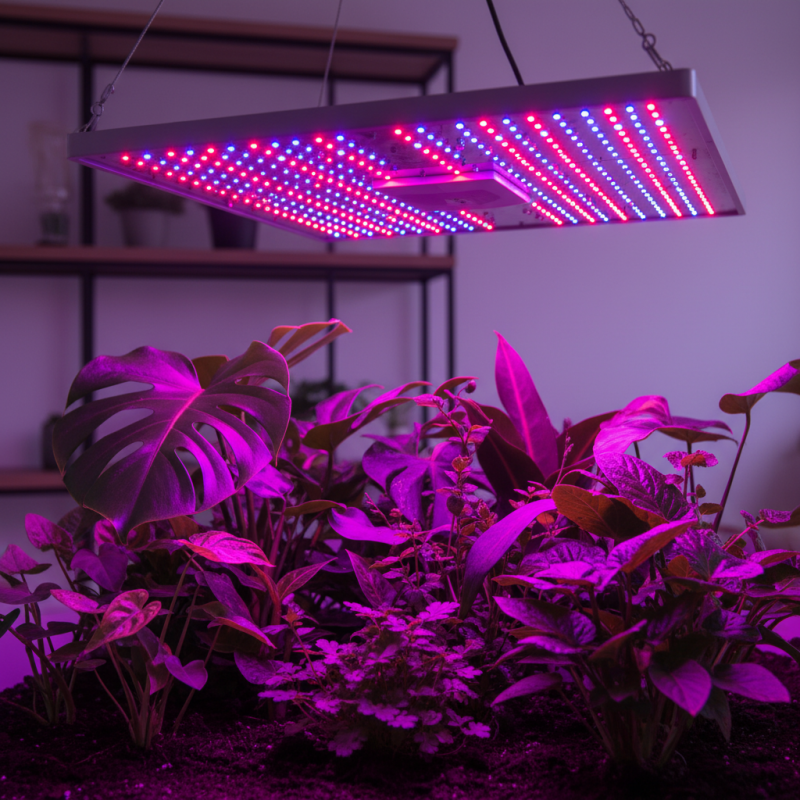
The purple or pink hue comes from the combination of red and blue LED lights. These colors are effective for plant photosynthesis, which is crucial for growth. For many, this may seem odd. Why not use white light? The LED technology enables growers to focus on wavelengths that plants utilize best. This helps in maximizing yield and growth speed.

Yet, not all growers appreciate this color choice. Some find the aesthetics unappealing in their living spaces. The bright purple glow can feel unnatural. It raises questions about the balance between functionality and visual appeal. Ultimately, understanding "Why do grow lights look purple or pink" leads to better choices for indoor gardening.
Why Do Grow Lights Appear Purple or Pink in Color?

Understanding Grow Light Color Spectrum

When observing grow lights, many people notice their distinct purple or pink hues. This unusual color is a result of the specific color spectrum emitted by these lights. The purple light contains a mix of red and blue wavelengths, which are crucial for plant growth. Red light promotes flowering and fruiting, while blue light supports vegetative growth.

The combination of these colors creates an optimized environment for photosynthesis. Most plants thrive under these wavelengths, as they replicate the natural sunlight spectrum. However, not all plants respond positively to these lights. Some may become leggy or struggle with the intensity. It’s essential to consider individual plant needs and adjust the light spectrum accordingly.

Understanding the color spectrum helps growers enhance their practices. Too much blue light can inhibit flowering, while excessive red light might encourage rapid growth without adequate structure. This balance is vital. Experimenting with different ratios can yield better results. The journey of mastering grow light usage requires observation and adaptation.

The Science Behind Purple and Pink Grow Lights

Purple and pink grow lights are a common sight in indoor gardening. Their unique colors come from the specific wavelengths of light they emit. Plants absorb light at different wavelengths for photosynthesis, particularly in the blue and red regions. Blue light promotes vegetative growth, while red light encourages flowering and fruiting. Thus, combining these wavelengths creates the purple or pink appearance.

The science behind these colors involves light spectrums. Photosynthetic pigments, like chlorophyll, absorb light efficiently in these areas. However, the imbalance can affect plant growth. Too much blue light may stunt growth, while insufficient red light can delay flowering. Understanding these dynamics is crucial for successful indoor gardening. Adjusting the light spectrum can lead to healthier plants and better yields.

However, not every plant responds the same way to purple or pink light. Some might require a broader spectrum for optimal growth. Observations show variability in plant responses. Each plant species has unique light needs. It’s essential to monitor your plants and adjust lighting based on their reactions. This trial-and-error approach fosters a deeper understanding of plant care.

Why Do Grow Lights Appear Purple or Pink in Color? - The Science Behind Purple and Pink Grow Lights

Light Color Wavelength (nm) Photosynthetic Importance Common Use in Growing
Purple 400-410 nm High efficiency in photosynthesis, especially for chlorophyll a Seedling growth, and indoor gardening
Pink 610-620 nm Enhances flowering and fruiting stages of plant growth Flowering plants and fruit-bearing plants
Red 620-750 nm Crucial for the photosynthetic process Overall plant growth, especially during flowering phases
Blue 450-495 nm Supports vegetative growth and leaf development Vegetative stage of plant growth and leafy greens

Photosynthesis and Light Wavelengths

The fascinating colors of grow lights, predominantly purple or pink, relate closely to the process of photosynthesis. Plants require specific wavelengths of light for optimal growth. Notably, they absorb blue and red light most effectively. This explains the purple hue observed. The combination of these wavelengths enhances photosynthesis, promoting vigorous plant development.

Light's role in growth goes beyond mere color. Blue light helps plants develop strong stems and leaves, while red light is crucial for flowering and fruiting. However, striking the right balance can be tricky. Too much red light can lead to leggy plants, while insufficient blue light may cause weak growth. Observations often reveal these nuances, prompting gardeners to adjust their lighting setups.

Many growers experiment with light spectrums to find what works best. This trial and error can lead to unexpected results. Some may notice stunted growth or poor flowering when light conditions are not ideal. Reflecting on these outcomes is vital, as understanding light wavelengths can significantly enhance the growing experience.

Benefits of Purple and Pink Light in Plant Growth

Purple and pink lights are often used in indoor gardening. These colors play a critical role in plant growth. Plants primarily use blue and red wavelengths for photosynthesis. Purple and pink lights combine these colors, promoting healthier growth.

Research shows that purple light can enhance flowering and fruiting in many plants. It’s particularly effective during the blooming phase. Pink light, which includes red wavelengths, encourages strong stem development. Using these lights, gardeners can create ideal conditions for their plants. However, some users notice that plants may stretch more under certain lighting. This can lead to weak stems.

Balancing light intensity is essential. Too much purple light may cause stress. Plants sometimes react by growing poorly or wilting. Monitoring plant responses is necessary for optimal growth. Learning from these experiences can improve future gardening practices. Adjusting light exposure helps achieve the best results for various plant species.

Common Misconceptions About Grow Light Colors

Grow lights often appear purple or pink due to the specific spectrum of light they emit. Many believe this color means the bulbs are more effective. However, it’s vital to understand that color does not directly correlate to plant growth. The purple hue comes from a mix of red and blue wavelengths. Red light supports flowering, while blue light helps with vegetative growth.

Some misconceptions cloud these colorful lights. For instance, many think that a brighter light equals better growth. In reality, too much light can stress plants. It’s also a myth that all plants require the same light spectrum. Different species have unique light needs, and matching the spectrum to those needs ensures healthier growth.

Moreover, the aesthetics of grow lights can mislead viewers. A purple light may look visually appealing but does not guarantee plant health. Observing how plants respond to different light conditions can be enlightening. Each grower’s experience with light spectra can vary significantly, reminding us that understanding the science behind light is crucial for successful gardening.

FAQS

: What colors do grow lights typically emit?

: Grow lights commonly emit purple and pink colors due to specific light wavelengths.

Why is blue light important for plants?

Blue light promotes strong vegetative growth, helping plants develop stems and leaves.

How does red light affect plant growth?

Red light encourages flowering and fruiting, playing a crucial role in plant reproduction.

Can all plants use purple or pink light?

Not every plant responds the same; some may need a broader light spectrum for optimal growth.

What happens if there's too much blue light?

Excess blue light can stunt plant growth, leading to weak development.

How can growers determine the right light spectrum?

Growers should monitor plant responses and adjust lighting based on observations.

What might indicate an imbalance in light conditions?

Stunted growth or poor flowering may suggest that light conditions are not ideal.

Should growers expect immediate results from light adjustments?

No, results can vary, and it often takes time to see changes after adjusting light.

Is trial-and-error a useful method for indoor gardening?

Yes, experimenting with light spectrums can lead to better understanding and enhanced plant care.

What should gardeners reflect on regarding their light setup?

Reflecting on growth outcomes can help gardeners improve their lighting strategies and plant health.

Conclusion

Grow lights often appear purple or pink due to the specific color spectrum they emit, which is optimized for plant growth. Understanding grow light color spectrum involves recognizing that these lights primarily combine red and blue wavelengths, essential for photosynthesis. The science behind purple and pink grow lights shows that plants respond most effectively to these wavelengths, which enhances their growth and development.

The benefits of using purple and pink light in plant growth are significant, as these light colors support key processes in photosynthesis. However, there are common misconceptions about grow light colors, including the idea that only white light is beneficial for plants. In reality, the unique combination of red and blue light found in purple and pink grow lights is why do grow lights look purple or pink, ultimately leading to healthier and more vibrant plants.

Liam

Liam

Liam is a dedicated marketing professional with a profound expertise in the industry, where he excels at highlighting the unique advantages of our core products. With a keen understanding of market trends and consumer needs, Liam frequently updates our company’s professional blog, providing......