High Photon Efficacy and Scalable Fixtures Engineered for Modern Controlled Environment Agriculture (CEA)
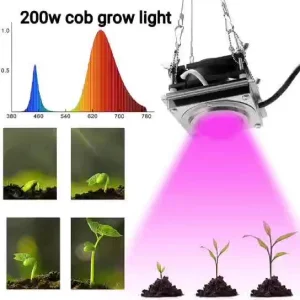
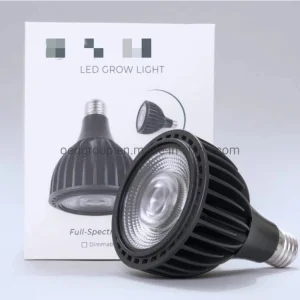
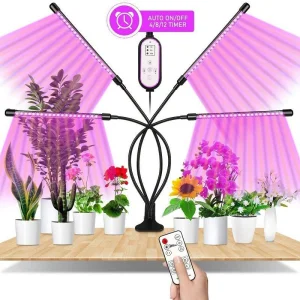
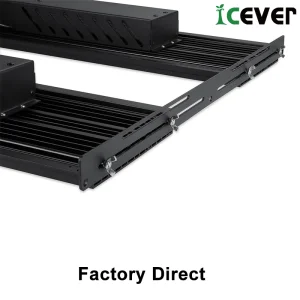
In the domain of commercial horticulture, supplemental lighting acts as the foundation of modern Controlled Environment Agriculture (CEA). As global food systems shift toward regional resilience, commercial greenhouse operations require lighting technology that directly bridges the deficit of natural solar radiation—especially in northern latitudes and during winter cycles. Unlike primary-source indoor vertical farms, greenhouse environments operate under a dynamic dynamic of solar fluctuations combined with targeted spectrum supplementation. The primary objective is to maintain a consistent Daily Light Integral (DLI) to secure crop production targets year-round.
As standard High-Pressure Sodium (HPS) fixtures undergo large-scale phase-outs due to low luminous efficiency (typically 1.8 µmol/J) and rapid lumen depreciation, modern solid-state LED systems have taken precedence. China's industrial manufacturing ecosystem stands at the absolute core of this transition, acting as the primary source of horticultural engineering innovations, semiconductor integration, and advanced power management architectures. For international growers, distributors, and EPC contractors, selecting a tier-1 Chinese manufacturer requires assessing chip packaging capabilities, thermal dissipation paths, and driver efficiency levels to ensure maximum yield per watt.
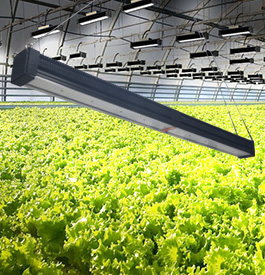
Founded in 2005, Jiangxi Enova Lighting Co., Ltd. has evolved into a global leader in high-performance lighting technology, integrating scientific research and development, smart manufacturing, and supply chain logistics. Operating as a certified National Hi-Tech Enterprise since 2012, our organization addresses the strict requirements of commercial-scale agriculture by engineering complete system architectures—from raw chip packaging to custom LED driver topologies.
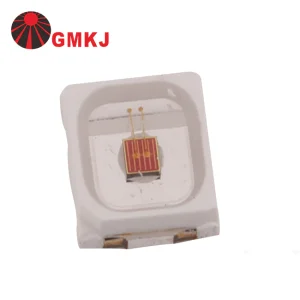
With a monthly capacity exceeding 15 million components, Enova engineers proprietary Surface Mount Device (SMD) and Chip on Board (COB) LEDs. By managing binning tolerances at the factory level, we ensure exact spectral consistency (MacAdam Ellipse < 3 steps) across all commercial production runs.
Our drivers are designed for high energy efficiency and electrical reliability, producing 60,000 specialized units per month. These modules control power factor correction (PFC > 0.97) and mitigate Total Harmonic Distortion (THD < 10%), ensuring electrical safety for large greenhouse installations.
Producing 100,000 units of outdoor floodlights and streetlights monthly, our team applies heavy-duty powder coatings and corrosion-resistant finishes. This technology is also applied to our grow lights to withstand the chemical-laden, high-humidity environments of commercial facilities.
Our dedicated horticultural division delivers between 300,000 and 500,000 LED grow light units and specialized driver sets monthly. This vertical production model guarantees matching electrical profiles between light engines and power supplies, reducing failure rates in demanding settings.
At Enova, quality control is integrated into every step of our manufacturing workflow. Operating under strict compliance with the ISO 9001 quality management standard, all assemblies are subjected to automated optical inspection (AOI), thermal imaging analysis, and high-voltage breakdown testing. Our production employs a specialized 70% automated and 30% manual hybrid manufacturing layout. Automation is deployed for high-precision processes like SMD pick-and-place, reflow soldering, and driver board fabrication to eliminate human error. Experienced technicians oversee manual processes including custom spectrum configuration, terminal wiring, and final mechanical alignment, providing the flexibility needed for custom OEM projects.
Horticultural lighting optimization requires precise control over the Photosynthetically Active Radiation (PAR) spectrum. Plants interact with light through specialized pigment receptors, primarily Chlorophyll A and B (which absorb in the blue and red regions) and phytochromes (which govern photoperiod response via far-red absorption). Modern supplemental systems focus on maximizing photosynthetic photon efficacy (PPE) to increase yield per watt of input energy.
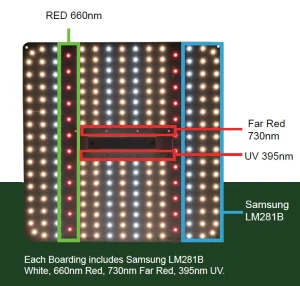
Focusing on target wavelengths to maximize absorption peaks. Enova integrates high-efficacy 660nm chips to accelerate vegetative growth and biomass accumulation, yielding PPE rates exceeding 2.7 µmol/J.
By engineering systems that combine Far-Red (730nm) and Ultraviolet (UV-A) spectrums, we trigger the Emerson enhancement effect and stimulate defense mechanisms, increasing terpene and cannabinoid expression.
Deploying heavy-gauge 6063-T5 aluminum extrusions and thermal interface materials (TIMs) to keep junction temperatures under 75°C. This passive cooling approach prevents spectral shift and extends component lifetimes beyond 50,000 hours.
Modern commercial greenhouses utilize active sensor feedback to monitor real-time solar irradiation. Enova systems adapt to ambient light levels, adjusting intensity to maintain a target Daily Light Integral (DLI) while optimizing power consumption.
Greenhouse architectures require customized configurations based on crop types and local climates:
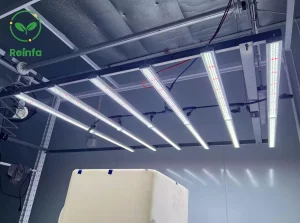
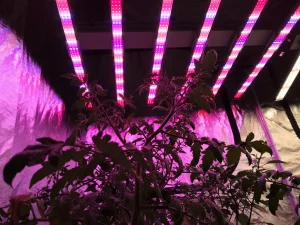
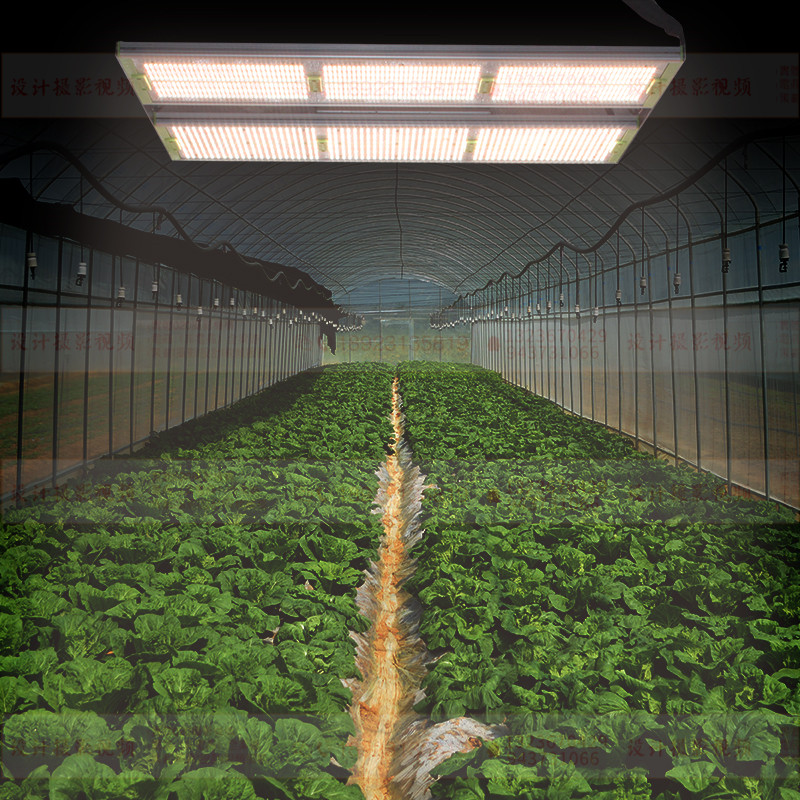
1High-Latitude Commercial Glasshouses: In regions like Northern Europe, Canada, and the Northern United States, winter sunlight levels fall below minimum photosynthetic requirements. Supplemental high-power LED bars provide the necessary light intensity without generating excess heat, allowing growers to manage greenhouse climates and humidity levels.
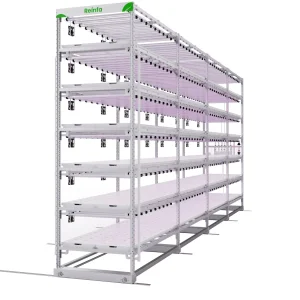
2Industrial Vertical Farming & Propagation: Automated NFT hydroponic arrays and tissue culture racks require compact, high-efficiency lighting. Enova's integrated LED grow light kits provide uniform PPFD distribution over close distances, preventing leaf burn and promoting consistent crop growth.
3Commercial Floriculture & Hybrid Operations: Flowering crops depend on precise photoperiod control. Our customizable spectral controls enable growers to trigger early flowering or extend vegetative cycles, helping crops meet critical holiday sales windows.
Commercial-Grade Hydroponic Systems, Dimmable Fixtures, and Industrial LED Components
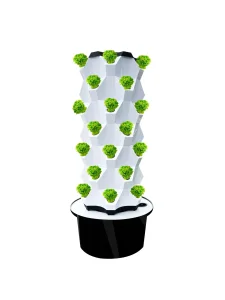
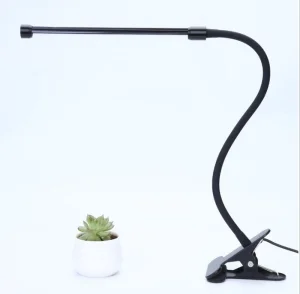
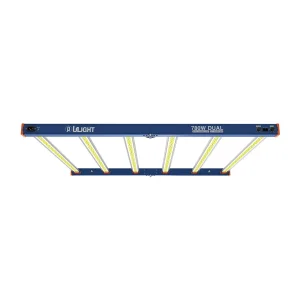
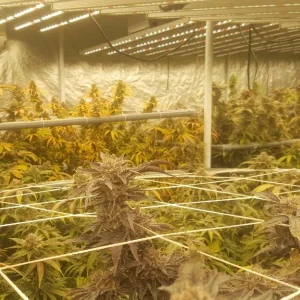
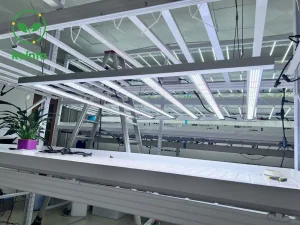
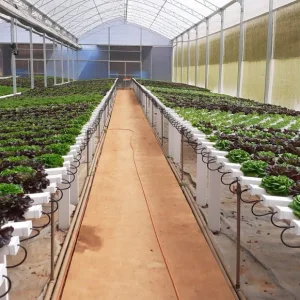
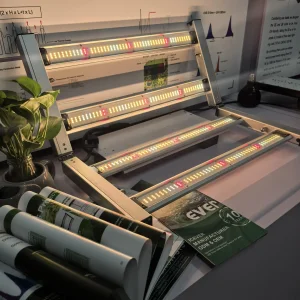
Integrating electronics into high-humidity agricultural settings requires adherence to strict global safety standards. Beyond regional safety directives, commercial projects must meet specific certification requirements to verify fixture reliability and durability. Enova products are built to comply with global standards:
CE & RoHS Certification: All horticultural fixtures conform to the European Economic Area's safety, health, and environmental requirements, ensuring minimal levels of hazardous substances.
SAA Australian Standards: Our custom-designed LED grow light drivers carry SAA certification, meeting Australia's strict safety standards for grid connection.
UL & ETL Listing: Our production options are manufactured to UL 8800 (Standard for Horticultural Lighting Equipment) and UL 1598 (Standard for Luminaires), ensuring safe operation under wet conditions.
 Enova Lighting