High-efficacy, dimmable fixtures engineered to sustain rigorous industrial cultivation standards across Southern Africa.
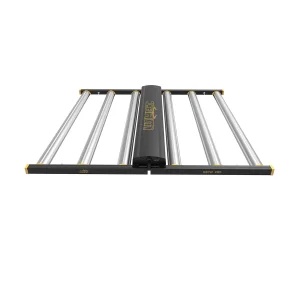
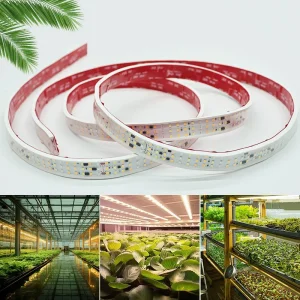
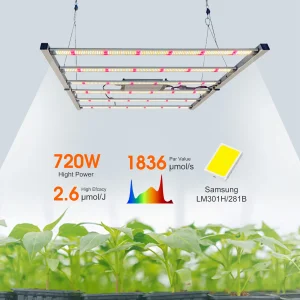
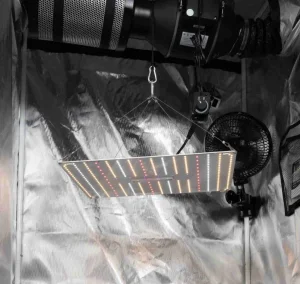
Namibia presents a unique set of geographic challenges. Characterized as the driest country in Sub-Saharan Africa, it struggles with highly variable rainfall patterns, soil nutrient deficits, and intense daylight cycles. Traditional open-field farming is increasingly vulnerable to extreme climate shifts. To achieve food security and self-sufficiency, Namibian agricultural operations—particularly in the urban peripheries of Windhoek, Erongo, and along the Orange River—are transitioning toward modern Controlled Environment Agriculture (CEA), commercial greenhouse frameworks, and hydroponic facilities.
Within these indoor structures, managing daylight exposure and light intensity is critical. High solar radiation outdoors does not translate directly to optimized indoor yields. Natural light can trigger excessive thermal loads inside greenhouses, requiring extensive mechanical cooling. High-efficacy dimmable LED grow lights allow operators to balance natural solar variations with targeted artificial lighting. This strategy helps control both the indoor thermal microclimate and the plant's photoperiodic requirements without placing excessive strain on Namibia’s power infrastructure.
Furthermore, the rising commercial cultivation of medicinal crops, high-value salad greens, and export tomatoes in Namibia relies on precise control over plant morphology. The ability to dim and customize spectral outputs (including Far-Red, UV, and Deep Red spectrums) is essential for maximizing yield profiles while lowering operating costs.
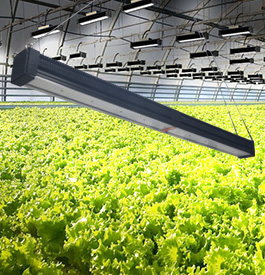
Designing grow light systems for Southern Africa requires careful engineering to address regional grid variations, high ambient heat, and water-scarce environments.
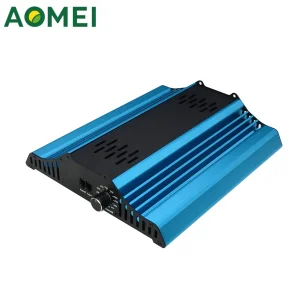
Temperatures in indoor grow rooms in Namibia can rise quickly. Our dimmable fixtures utilize heavy-duty, passive aluminum heat sinks and high-grade thermal interfaces, allowing efficient heat dissipation without the need for active cooling fans that can fail in dusty conditions.
NamPower grids require smart power consumption. Dimmable options (0-10V, PWM, or Dali protocols) allow commercial growers to dim lighting systems during peak load-shedding alerts or high-tariff windows, saving energy while maintaining basic plant metabolism.
With coastal deserts like the Namib creating challenging atmospheric dust and humidity conditions, grow fixtures must be built to last. Our commercial lineups are IP65 and IP67 certified, protecting delicate LED diodes from moisture and dust intrusion.
Bridging the gap between tier-one manufacturing efficiency and southern African agricultural developments.
Founded in 2005, Jiangxi Enova Lighting Co., Ltd. has established itself as an innovative, research-driven manufacturer specializing in commercial optoelectronics. Our facility has evolved to support global agricultural projects, offering high-power LED grow lights and specialized dimmable driver hardware to clients worldwide. By maintaining direct control over our entire supply chain, we deliver reliable performance tailored to the specific needs of Namibian farms.
We manufacture our own surface-mount device (SMD) and chip-on-board (COB) LED packages, producing over 15 million units monthly. This high-volume production enables strict quality control and consistency in both light spectrum output and luminous efficiency.
Our LED drivers support power configurations from 8W to 40W, alongside high-power industrial grow light drivers. With a monthly capacity of 60,000 drivers, our systems are built to handle grid voltage fluctuations common in developing regions.
Operating dedicated assembly lines, we produce between 300,000 and 500,000 grow light fixtures per month. This output helps ensure stable delivery timelines and competitive bulk pricing for large-scale agricultural projects.
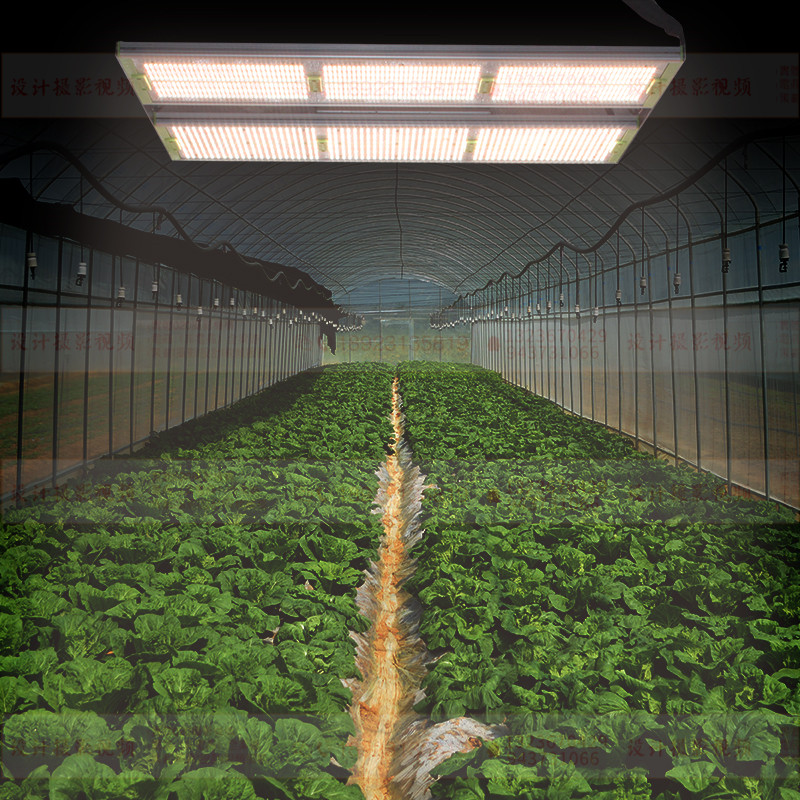
At Jiangxi Enova, quality is integrated into every step of our process. Our manufacturing facility operates under an ISO 9001 certified management system. We use a hybrid production model: 70% automated processes for high-precision components and SMD placement, and 30% skilled manual assembly for detailed configuration and quality checks.
This hybrid approach allows us to maintain strict standards across large orders while offering the flexibility needed for custom spectral configurations. In addition, our systems carry CE, RoHS, and SAA certifications, meeting international safety and performance standards.
Providing tailored lighting solutions for unique growing conditions across Namibia’s diverse regions.
Urban agricultural startups in Windhoek use multi-tier vertical farming setups to produce leafy greens. Our dimmable LED strips supply targeted red and blue wavelengths, maximizing yields while minimizing heat buildup in confined spaces.
Swakopmund's cool temperatures and coastal fog can lead to low light conditions. Supplemental LED fixtures help maintain consistent crop growth throughout the year, ensuring reliable yields despite changing weather patterns.
Facilities cultivating medical herbs and specialized seed stocks rely on dual-channel dimmability to fine-tune vegetative and flowering phases. Adjusting PPFD levels dynamically helps optimize botanical profiles.
Navigating international supply chains, compliance frameworks, and logistics to ensure efficient delivery.
Procuring large quantities of high-efficacy LED lighting systems requires coordinating import duties, compliance certifications, and ocean shipping routes. For buyers in Namibia and the wider Southern African Development Community (SADC) region, working directly with a certified Chinese manufacturer helps simplify the import process.
Our logistics team handles the documentation required for smooth clearance through Namibian entry ports, including Walvis Bay. By ensuring our products meet CE, RoHS, and SAA requirements, we help import partners avoid delays and navigate local regulatory standards with ease.
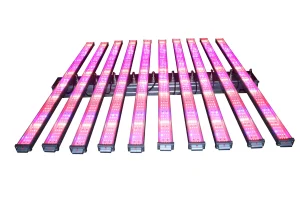
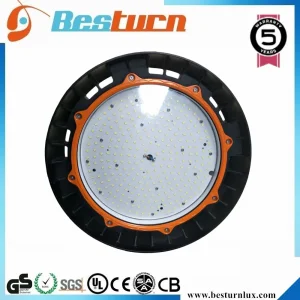
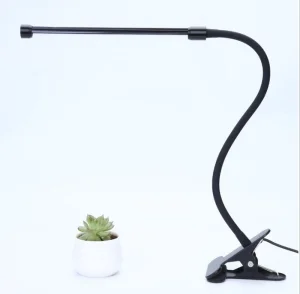
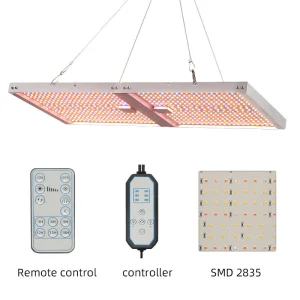
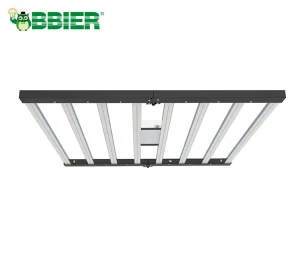
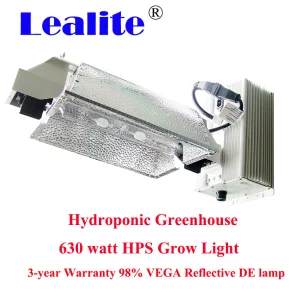
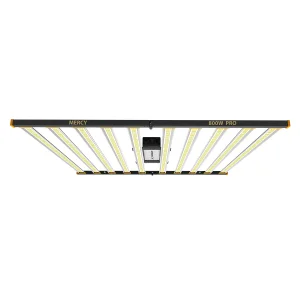
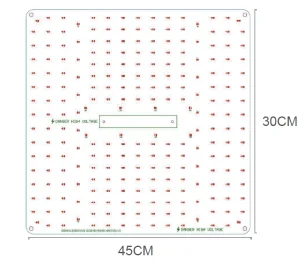
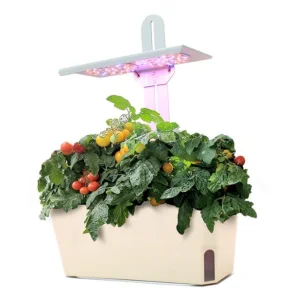
Select from our range of performance-tested fixtures designed for diverse cultivation environments in Namibia.
Key information regarding technical specifications, grid operations, and wholesale procurement for the Namibian market.
Dimming helps growers adapt to ambient sunlight variations and manage electricity usage. In Namibia, utility rates vary throughout the day. Using 0-10V or PWM dimming controllers allows growers to decrease lighting intensity during peak hours, lowering thermal output and energy consumption without disrupting plant development cycles.
Yes. Our commercial lighting systems feature IP65 or IP67 ratings. This protection ensures that fine dust particles from nearby arid regions and humidity in coastal zones like Swakopmund do not bypass seals to impact internal circuitry or LED chips.
Standard manufacturing timelines range from 15 to 25 days depending on the volume of the order. Shipping via ocean freight to the Port of Walvis Bay generally takes between 30 and 40 days, including custom clearance processes.
Yes. Our drivers are engineered with built-in protection against over-voltage, short-circuits, and thermal overload. They are designed to operate reliably within local voltage fluctuations, reducing the risk of premature driver failure.
We test every batch using integrating spheres and spectroradiometers. Customers receive detailed report files detailing PPF, PPFD maps, and spectral distributions, helping verify performance prior to shipment.
 Enova Lighting