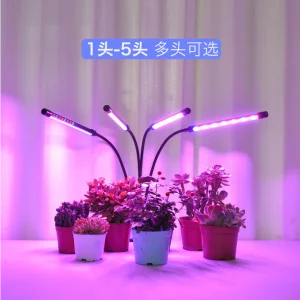
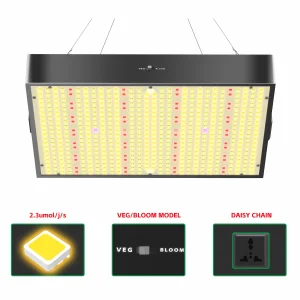
Premium architectural spectrum grow lights configured for optimal performance under tropical environments and high humidity climates.
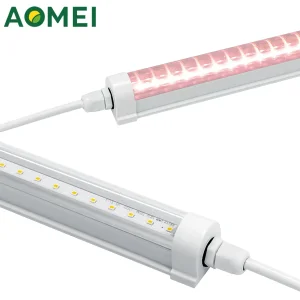
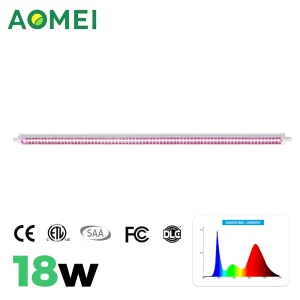
Dominica, widely recognized as the "Nature Island of the Caribbean," possesses rich, fertile soil and microclimates that support agricultural endeavors. However, commercial nurseries, botanical farms, and local residential growers face unique geological and atmospheric challenges. With hurricane seasons bringing unpredictable weather, protected cultivation inside greenhouses, shade structures, and indoor systems has experienced rapid growth across Roseau, Portsmouth, and Marigot.
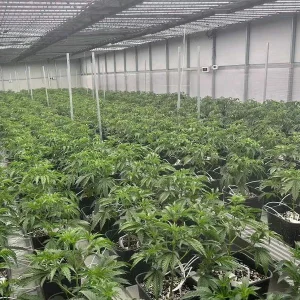
To optimize growth phases of high-value ornamental species like imported succulents (which require arid, sun-drenched settings distinct from the typical tropical humidity of the West Indies), advanced commercial horticulturists must utilize artificial spectrum light setups. Natural cloud cover in high-elevation montane forests frequently reduces PAR (Photosynthetically Active Radiation), causing etiolation in succulents. High-efficiency grow lights serve as the critical infrastructure tool to promote pigment development (anthocyanin accumulation) and prevent root rot and structural weakness in succulent farms throughout Dominica.
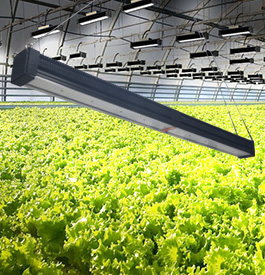
Analyzing industry shifts towards spectrum-specific lighting systems for greenhouse and indoor grow systems globally.
Across North America, Europe, and emerging horticultural centers in Latin America, Controlled Environment Agriculture (CEA) has transitioned from a reliance on high-pressure sodium (HPS) installations toward high-performance LED solutions. HPS fixtures emit significant heat, which proves highly counterproductive in warm, tropical territories like Dominica. LEDs offer precise spectral customizability, lower thermal footprints, and massive energy savings.
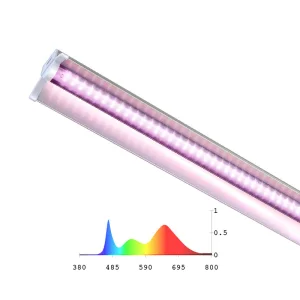
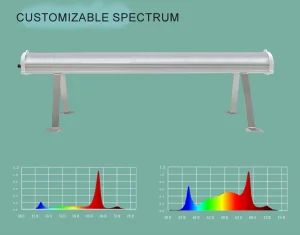
Succulent species like Echeveria, Sedum, and Haworthia naturally synthesize anthocyanins, carotenoids, and protective pigments under strict environmental triggers. To stimulate these vibrant pink, red, and purple hues under indoor cultivation, grow lights must output the correct proportions of blue (450nm) and deep red (660nm) light, paired with minor UVA/UVB exposure. Without targeted spectral delivery, succulents default to chlorophyll production, turning pale green and stretching in search of light source (etiolating).
PPFD (Photosynthetic Photon Flux Density) measures the quantity of active photons that land on the plant canopy per second. Commercial succulent growers require sustained PPFD values ranging from 250 to 500 μmol/m²/s. Standard domestic light bulbs cannot achieve this intensity without burning the foliage. Enova Lighting's specialized succulent LED systems are engineered with optimal optic distribution angles, ensuring high light penetration while keeping energy usage low.
Advanced commercial and industrial lighting manufacturer specializing in high-performance agricultural LED products since 2005.
Founded in 2005, Jiangxi Enova Lighting Co., Ltd. has evolved into a global leader in state-of-the-art agricultural and industrial lighting solutions. Operating from our advanced manufacturing plants in Jiangxi, China, we integrate the complete development pipeline, including R&D, manufacturing, quality validation, and global logistics coordination.
Our comprehensive production system includes four primary pillars:
To deliver reliable performance in extreme weather zones, Enova utilizes a hybrid manufacturing approach: 70% of operations are fully automated through precision SMT and robotic placement machines to ensure physical integrity, while 30% is managed by skilled quality technicians for rigorous custom wiring, final assemblies, and testing.
Our quality management systems conform to ISO 9001 standards. Additionally, the vast majority of our products carry CE and RoHS certifications, and our drivers hold SAA safety listings, verifying operational safety under diverse voltage demands globally.
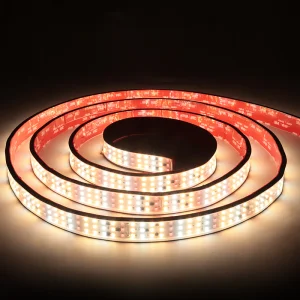
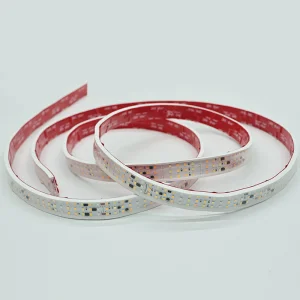
Browse our complete catalog of industrial grow systems, flexible lighting strips, and high-intensity quantum grow panels.
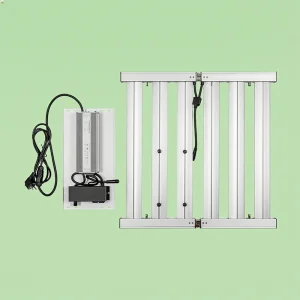
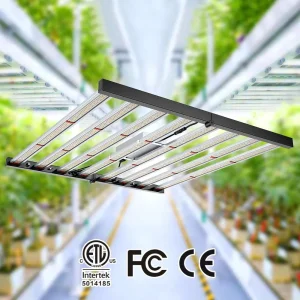
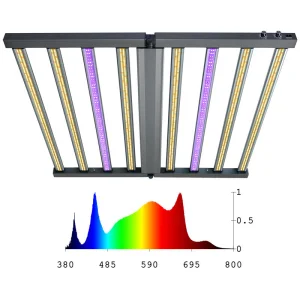

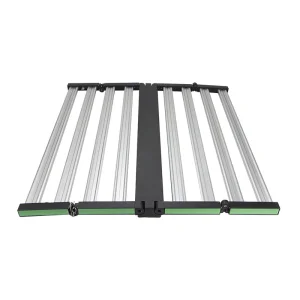
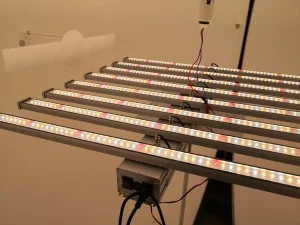
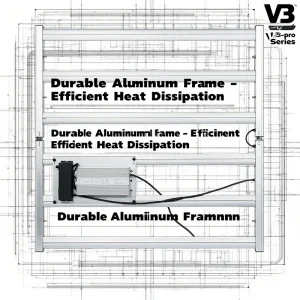
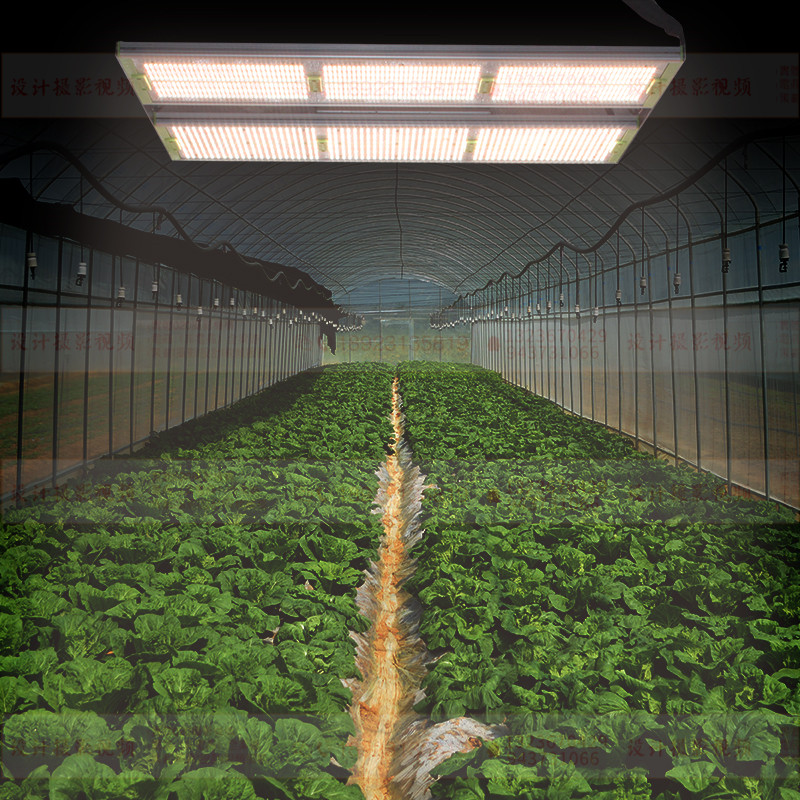
Horticultural projects operating in Dominica are subjected to ambient relative humidity frequently exceeding 85%. Furthermore, salt spray along coastal areas and micro-particulates can corrode exposed circuitry in standard electronic equipment. This makes structural engineering and IP (Ingress Protection) ratings a vital aspect of commercial equipment selection.
Enova Lighting addresses these harsh environmental pressures through specific structural adaptations:
Strategic logistics pathways, customization capabilities, and economic benefits of direct-from-factory sourcing.
Purchasing directly from specialized manufacturing facilities in China provides distinct structural advantages over local regional distribution models. The geographical isolation of the Caribbean often results in limited access to specialized commercial horticultural hardware, leading to high markups on generic, lower-performing residential lighting options.
By partnering with Jiangxi Enova Lighting Co., Ltd., buyers in Dominica gain access to significant commercial advantages:
Detailed technical answers to common questions about implementing artificial lighting systems for succulents in Dominica.
Succulent species have evolved in high-light, arid geographic areas. Standard household LEDs provide light levels sufficient for human vision (typically under 50-100 lux), but do not deliver the photosynthetic photon flux density (PPFD) required for photosynthesis in sun-loving plants. Horticultural-grade LED grow lights emit a high-density, targeted spectrum (specifically focusing on 450nm blue and 660nm red wavelengths) that delivers the energy required for plant cell development, cellular health, and vibrant pigmentation.
High relative humidity causes condensation on cold surfaces, which can trigger short circuits in unsealed electronics. Over time, moisture can also corrode copper tracks on printed circuit boards (PCBs). To protect lighting installations in Dominica, we recommend fixtures with at least an IP65 protection rating. Our models feature IP65 and IP67 weather-proofing, which isolates sensitive electrical paths from moisture, saline sea spray, and dust particles, ensuring long-term reliability.
For healthy growth and dense foliage, succulents require a PPFD of 200 to 350 μmol/m²/s. If you are looking to induce stress coloration (vibrant reds, pinks, and purples), the light levels should be increased to 450-600 μmol/m²/s. The ideal photoperiod ranges between 12 to 16 hours of daily exposure. This should be followed by a period of complete darkness to support their natural CAM (Crassulacean Acid Metabolism) respiration cycle, which occurs during the night.
Yes. Jiangxi Enova Lighting dedicates 15% of its annual revenue to research and development, allowing us to offer extensive custom design options. We customize casing designs, spectral output ratios, power drivers, and cable connectors to match the specific needs of large-scale commercial greenhouses or small indoor nurseries in Dominica. Contact our engineering team via our contact form to discuss your project requirements.
Our manufacturing facility operates under the ISO9001 quality management framework. Our grow lights and components are certified under CE and RoHS standards, confirming compliance with electrical safety and restriction of hazardous substances. Additionally, our high-quality LED drivers are SAA certified, providing safe and stable power conversion under variable input voltages.
All items are packed using thick, multi-layer corrugated cardboard boxes and dense polyethylene foam inserts. This protects the light tubes, mounting accessories, and drivers from impact during sea or air transport. For bulk orders, we pack the goods on reinforced pallets with waterproof plastic wrap to ensure safe delivery to Dominica ports.
 Enova Lighting