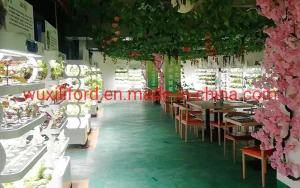
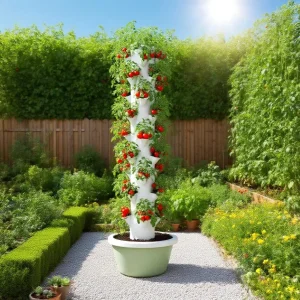
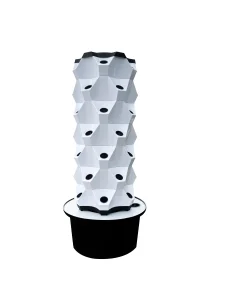
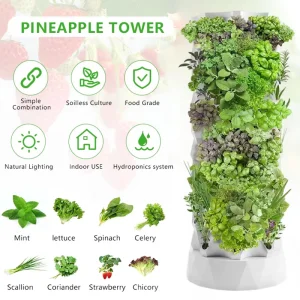
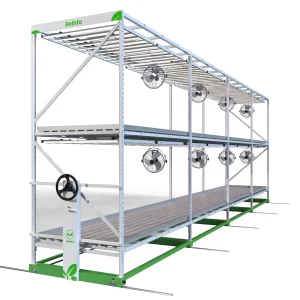
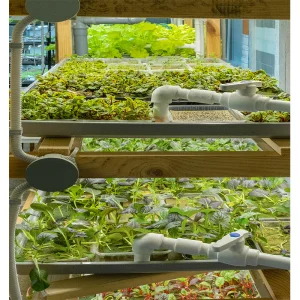
High-efficiency grow system solutions precision-designed for architectural integration, maximum crop yield, and rigorous energy balancing in localized Montenegrin installations.
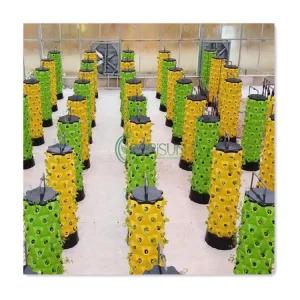
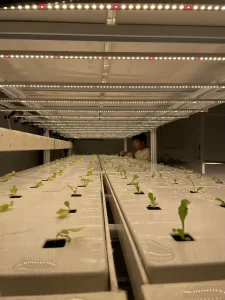
Montenegro, defined by its rugged Dinaric Alps and a stunning Adriatic coastline, faces unique geographical and climatic conditions. While traditional agriculture remains concentrated in the fertile plains of the Zeta-Bjelopavlići region and the liminal areas surrounding Lake Skadar, coastal zones and mountain regions present substantial obstacles for year-round field cultivation. High summer temperatures on the coast, heavy winter snowfall in the north, and karst topography historically restricted the localized production of high-value crops. However, Montenegro is currently undergoing a structural transformation driven by the expansion of its high-end tourism and hospitality industries (e.g., Porto Montenegro, Luštica Bay, and Budva Riviera).
To reduce dependency on expensive imports from neighboring EU states, agricultural entrepreneurs in Podgorica, Nikšić, and Bar are increasingly turning to vertical farming. The primary obstacle, however, is establishing high-efficiency systems capable of overcoming high peak energy tariffs and fluctuating ambient humidity. Sourcing state-of-the-art vertical farming light systems from specialized global exporters has become a critical strategic step. Optimized artificial lighting is not merely a component; it is the vital catalyst that replaces solar irradiance, directly dictating Photosynthetically Active Radiation (PAR) metrics and overall commercial feasibility.
From an industrial perspective, Montenegro presents a dual-layered market for CEA operators:
Hotels along the Adriatic coast demand an uninterrupted daily supply of premium salad greens, culinary herbs (sweet basil, mint, thyme), and baby leaf vegetables. Standard greenhouse models fail to deliver consistent volume and aesthetics during the scorching Mediterranean summers due to thermal stress. Controlled indoor vertical farms, utilizing custom LED spectra to regulate temperature and transpiration, bypass these seasonal disruptions.
In municipalities like Kolašin and Žabljak, alpine cold fronts limit traditional farming to short summers. Vertical farms operating in indoor thermal envelopes allow sub-zero operation. Advanced LED grow lights supply not only the exact light frequencies for photosynthesis but also manage secondary heating profiles to optimize microclimate stability within multi-tier racking systems.
Montenegro's electrical grid, while continuously modernizing, experiences regional tariff structures. Operators must optimize their daily photoperiod schedules to utilize off-peak energy rates. Selecting high-efficiency LED grow light systems (PPF per watt) directly controls the operational margins. High-power factor (>0.95) drivers are essential to eliminate penalties from local utilities like EPCG (Elektroprivreda Crne Gore).
Montenegro's pre-accession assistance (IPARD III) program actively supports agricultural modernization. Funding is heavily weighted toward energy-efficient, smart systems. Sourcing certified LED light arrays that comply with European performance and waste directives facilitates approval for up to 60-70% capital expenditure recovery from regional development funds.
Selecting an international lighting partner requires rigorous examination of technical capabilities. The modern vertical farming supply chain has evolved away from off-the-shelf components. Commercial farms require customizable spectrum profiles, modular configurations, and comprehensive mechanical integrations. For procurement agents managing projects in Montenegro, key requirements include:
Plants respond to light far differently than the human eye. Standard lux measurements are irrelevant; commercial indoor farming requires precise metrics in Photosynthetic Photon Flux Density (PPFD) and Daily Light Integral (DLI). By optimizing the spectrum, grower-operators can accelerate crop cycles, boost leaf density, and modify taste profiles to match premium consumer markets in Montenegro.
Modern vertical farming systems utilize PPE values exceeding 2.7 μmol/J to ensure electrical energy is converted into biologically active photons rather than waste heat. Our advanced LED arrays employ high-efficacy red LEDs (660nm) and full-spectrum white LEDs to mimic solar energy distributions. In leafy green setups, maintaining a PPFD of 200–250 μmol/m²/s across a 16-hour photoperiod provides a DLI of approximately 11.5–14.4 mol/m²/day, maximizing photosynthetic saturation without inducing leaf burn.
For high-value culinary herbs destined for coastal resort kitchens, taste and aroma are critical. The synthesis of volatile oils and polyphenols is triggered by stress signals in the light spectrum. Incorporating deep blue light (450nm) triggers stomatal opening and protein synthesis, while selective exposure to far-red light (730nm) can induce shade avoidance responses, expanding leaf size and overall photosynthetic surface area. Our tunable spectrum fixtures allow operators to run custom "end-of-day" routines to manage plant morphology and optimize crop values.
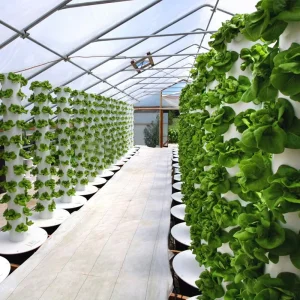
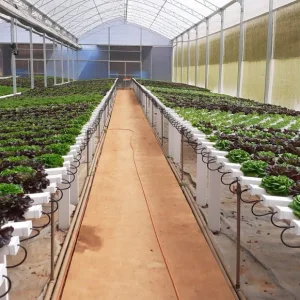
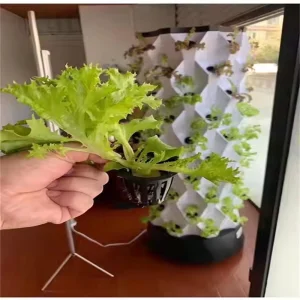
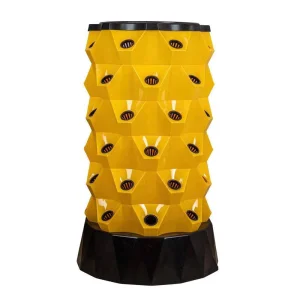
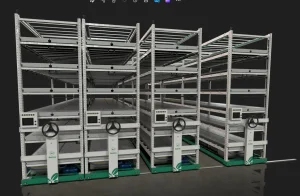
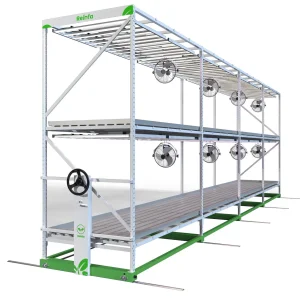
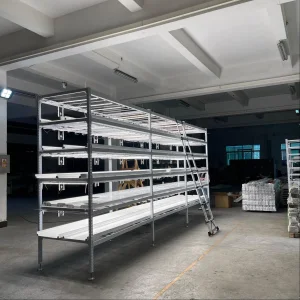
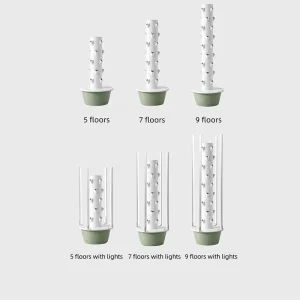
A comprehensive selection of professional vertical farming systems, hydroponic channels, and industrial LED layouts configured for regional import demands.
Operating high-intensity electrical equipment in Montenegro requires adherence to specific local and European standards. As Montenegro continues to align its domestic laws with the EU Acquis Communautaire, especially Chapter 11 (Agriculture and Rural Development) and Chapter 27 (Environment), imported agricultural machinery must meet strict quality assurances. Our products are fully optimized to meet these exact requirements.
For import into Montenegro, CE and RoHS markings are mandatory. These certifications guarantee that the electrical components, particularly drivers and control units, operate safely under local voltage fluctuations without introducing harmful substances or excessive electronic waste. Our operations are fully compliant, ensuring trouble-free customs clearance at Montenegrin entry ports such as Bar and Podgorica.
Local utility grids demand stable electrical interfaces. Large vertical farms running hundreds of grow lights simultaneously can introduce serious electrical noise. Our LED drivers are engineered to maintain a Power Factor >0.95 and Total Harmonic Distortion (THD) under 15%, preventing system failures and avoiding energy waste or utility fines.
Montenegro's agricultural sector benefits from EU-funded IPARD projects, which mandate that all subsidized equipment meet high-efficiency standards. Installing lighting with verified PPF/W ratings ensures your facility qualifies for structural grant payouts, streamlining return on investment (ROI).
Closed high-yield vertical farms run automated watering systems that generate elevated relative humidity. Normal luminaires are highly susceptible to moisture ingress and driver failures. Our grow lights are engineered with silicon seals and waterproof quick-connect systems, preventing operational downtime and ensuring structural longevity.
A global leader in photobiological light systems, combining automated precision manufacturing and deep engineering expertise to power next-generation CEA infrastructures.
Founded in 2005, Jiangxi Enova Lighting Co., Ltd. has grown into a leading enterprise in the global lighting industry, integrating research and development, manufacturing, and marketing. We pride ourselves on offering cutting-edge products designed for both commercial and industrial applications. Over the last two decades, we have optimized our design and production channels to service demanding global agricultural markets, providing customized system exports for growers in Montenegro and across the European continent.
To ensure consistency and high yield at scale, Enova uses a highly sophisticated hybrid manufacturing process: 70% of production is automated using modern SMT lines and robotics, while 30% is handled through skilled manual operation. This combination allows us to maintain tight engineering tolerances while retaining the flexible customization required for bespoke greenhouse or warehouse grow operations.
At Jiangxi Enova Lighting, quality control is paramount. Our commitment to reliability is backed by our ISO 9001 quality management certification. In addition, the vast majority of our products carry CE and RoHS certifications, and our LED drivers are SAA certified, assuring total safety and compliance for operators worldwide.
Our comprehensive production facility is organized into four main business divisions, ensuring total vertical control over components, drivers, and final assemblies:
Manufacturing high-reliability SMD (Surface Mount Device) and COB (Chip On Board) LEDs. With a robust production capacity of 15 million units per month, we supply the key light-emitting building blocks that drive our agricultural systems.
Designing energy-efficient, robust power sources. We produce a wide variety of LED drivers with outputs ranging from 8W to 40W, with a monthly production capacity of 60,000 units, ensuring reliable driver integration.
Specializing in commercial-grade LED Floodlights, Streetlights, and exterior industrial fixtures. Supporting high structural durability with a production output of 100,000 units per month to meet global security and infrastructure standards.
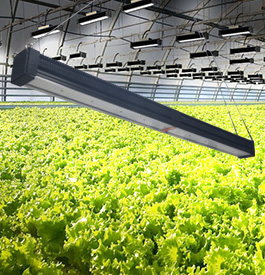
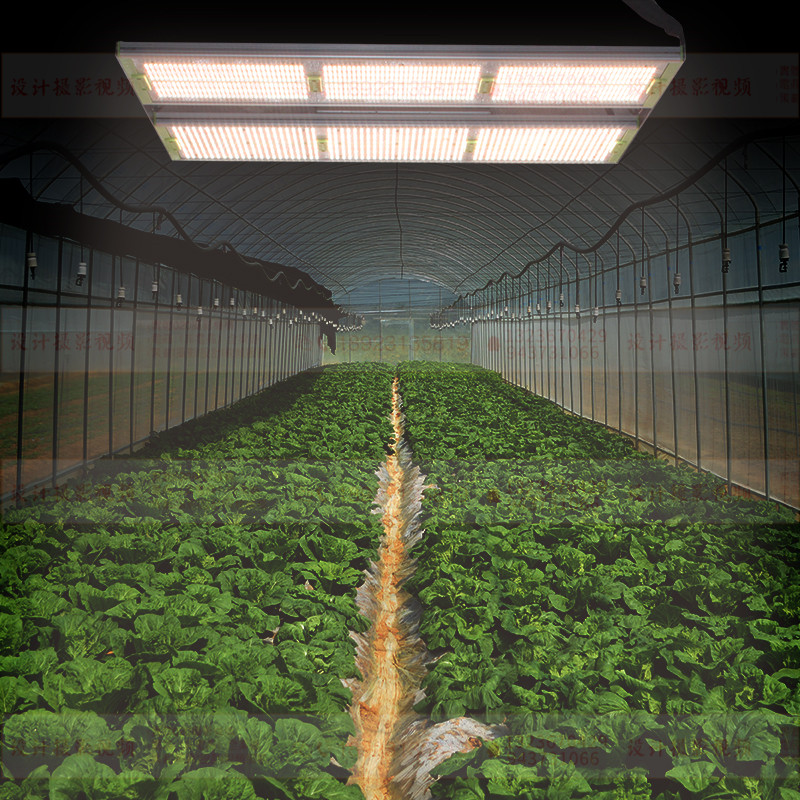
Our core agricultural division. Manufacturing high-performance, specialized grow light panels, bar systems, and matching custom drivers. Producing between 300,000 to 500,000 units per month to support global crop cultivation projects.
Technology changes rapidly, and staying at the forefront of LED engineering is our top priority. In 2012, we received the prestigious National Hi-Tech Enterprise certification, recognizing our technical expertise and innovative solutions.
Each year, we dedicate 15% of our revenue to new product development, introducing 6 to 8 new products annually. Our research team holds numerous Design Patents and Utility Model Patents, confirming our status as pioneers of advanced lighting technologies.
With a passionate commitment to quality, an open-minded approach to innovation, and a collaborative business model, we are dedicated to helping our clients in Montenegro and around the world light the way to a highly productive and sustainable future.
Expert technical answers to key questions regarding the installation, compliance, and optimization of vertical farming light systems in the Balkan region.
Standard consumer LEDs lack the targeted wavelengths needed to maximize photosynthetic activity. In a vertical farming setup, light is the sole source of energy. By using custom-engineered wavelengths, specifically 450nm deep blue for structural development and 660nm hyper red for leaf biomass, growers can optimize yield while minimizing power draw. Customized spectral systems allow Montenegrin growers to match light output to the crop's precise growth phase, reducing production cycles and maximizing ROI.
Our systems use passive cooling technology. By utilizing aviation-grade heavy aluminum heat sinks, thermal energy is conducted away from the LED chips and dissipated into the ambient air without the use of loud, failure-prone mechanical fans. This design keeps diode junction temperatures low, ensuring a long operational lifetime (L90 > 50,000 hours) and reducing the cooling load on your HVAC system.
Yes, our complete grow light arrays and integrated drivers comply with EU harmonized standards, carrying full CE and RoHS certifications. To ensure grid compatibility, our drivers are designed to maintain a high power factor (>0.95) and keep Total Harmonic Distortion (THD) under 15%. This matches the strict standards of European utilities and protects your facility's electrical infrastructure from power quality issues.
As a direct manufacturer, our minimum order quantities are flexible depending on the product, ranging from individual tower systems for trial runs to complete container loads for commercial facilities. Standard orders are typically manufactured and dispatched within 25-35 days. We work closely with international shipping agents to coordinate sea, rail, or air transit directly to destinations in Podgorica, Nikšić, or the Port of Bar.
 Enova Lighting