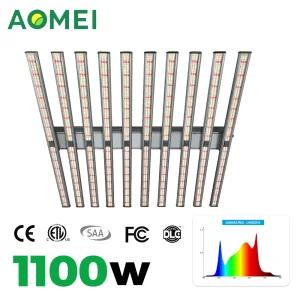
Engineered with wide-voltage industrial drivers, IP65 ingress protection, and custom UV/IR chips to survive fluctuating power grids and tropical moisture.
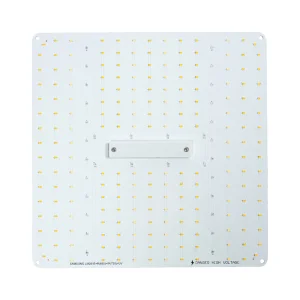
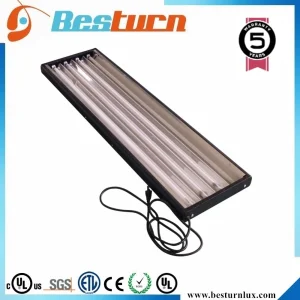
The Democratic Republic of the Congo (DRC) is undergoing a massive shift in its agricultural architecture. Traditionally reliant on rain-fed open-field agriculture, major metropolitan hubs like Kinshasa, Lubumbashi, Kolwezi, and Goma are experiencing high food price inflation, land degradation, and intense supply chain vulnerabilities. Due to climate instability and sudden, destructive rainstorms, forward-looking commercial growers and agricultural enterprises are transitioning to Controlled Environment Agriculture (CEA), commercial greenhouse cultivation, and indoor hydroponic farming systems.
By utilizing advanced artificial lighting setups with targeted spectrum profiles, farms in the DRC can achieve year-round security for crops such as high-value leafy greens, medical-grade herbs, and nursery stock. Urban vertical farming structures in Kinshasa are leveraging indoor configurations to feed dense urban populations, bypassing long-distance shipping channels and local infrastructure bottlenecks. In this emerging paradigm, UV (Ultraviolet) and IR (Infrared) spectrum grow lights have become critical tools to optimize phytochemical output, manage crop height, prevent mold outbreaks, and significantly increase total biomass yield.
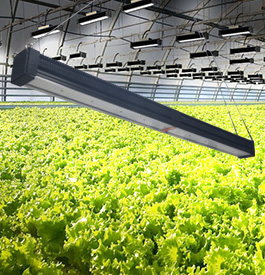
How agricultural operators in the DRC utilize UV and IR spectrums to overcome local environmental, pathogen, and structural bottlenecks.
The high-humidity levels in regions surrounding the Congo River basin lead to severe losses from powdery mildew, grey mold (Botrytis cinerea), and bacterial leaf spot. Integrating precise 385nm - 400nm UV-A and UV-B wavelengths alters the fungal spore cell walls, suppressing sporulation and acting as a natural sterilizer without the use of toxic chemicals.
For high-value medicinal plant operators and botanical growers in the Katanga province, maximizing secondary compounds (such as terpenes, THC, and CBD) is paramount. Exposure to UV-A and UV-B stimulates the plant's natural defense mechanisms, producing higher concentrations of target compounds to shield the leaves from radiation stress.
Due to the variable power grid conditions in the DRC, energy efficiency is critical. Modern greenhouse systems operating on independent off-grid solar-hybrid micro-grids use our high-efficiency LED bars. The low-thermal dissipation and ultra-high PPFD-per-watt efficiency ensure minimal power drain while delivering optimal photomorphogenetic light.
Understanding the biological reaction of crops to specialized wavelengths and the technological roadmap driving modern agricultural design.
Infrared (IR) and Far-Red photons trigger the Emerson Enhancement Effect. When crops are illuminated with a combination of red (660nm) and far-red light, the photosynthetic rate increases beyond the sum of the individual rates. Wavelengths around 730nm trigger the phytochromes in plant cells, shifting the ratio between active Pfr and inactive Pr forms. This mechanism signals the "shade avoidance response," causing plants to expand leaf areas and stretch structures to capture more light, which directly shortens the vegetative cycle and speeds up transitions into flowering phases.
Ultraviolet-A and Ultraviolet-B radiation function as stress-mimicking wavelengths. In reaction, plants accumulate protective pigments, notably phenolic compounds, flavonoids, and THC/CBD, to prevent cellular damage. Additionally, UV radiation regulates plant morphology, leading to shorter, stockier stems, thicker leaves, and wider lateral branching patterns. This helps structural growers maximize vertical shelf space in multi-tier indoor installations.
Targeted distribution yields higher photosynthetic photon flux density (PPFD) per watt, limiting electrical loss and optimizing system input.
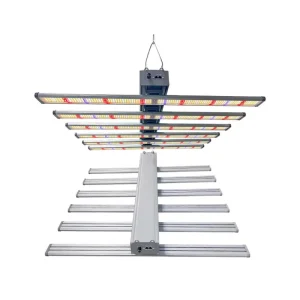
Heavy-gauge anodized aluminum extrusions facilitate natural convection cooling, removing the failure points associated with active cooling fans.
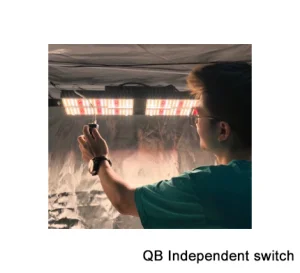
Dual-channel and multi-channel control inputs (0-10V, RJ14) enable growers to isolate the UV and IR bands, switching them off during early propagation cycles.
Operating from China's primary high-tech production hub, Jiangxi Enova Lighting Co., Ltd. delivers robust capacity, rigorous quality control, and rapid logistical capabilities.
Established in 2005, Jiangxi Enova Lighting Co., Ltd. has grown into a leading enterprise in the global horticulture lighting industry, integrating research, development, custom board-level manufacturing, and supply chain operations. Our manufacturing framework utilizes a hybrid automated system—70% automated assembly and 30% skilled hand-crafting and QC checks—to ensure high structural precision alongside custom flexibility.
To serve the evolving African market, we maintain dedicated production channels for LED drivers, outdoor municipal fixtures, and specialized horticultural grow light boards. Holding certifications such as ISO 9001, CE, RoHS, FCC, and SAA, our systems guarantee operational durability and strict electrical compliance under harsh environment profiles.
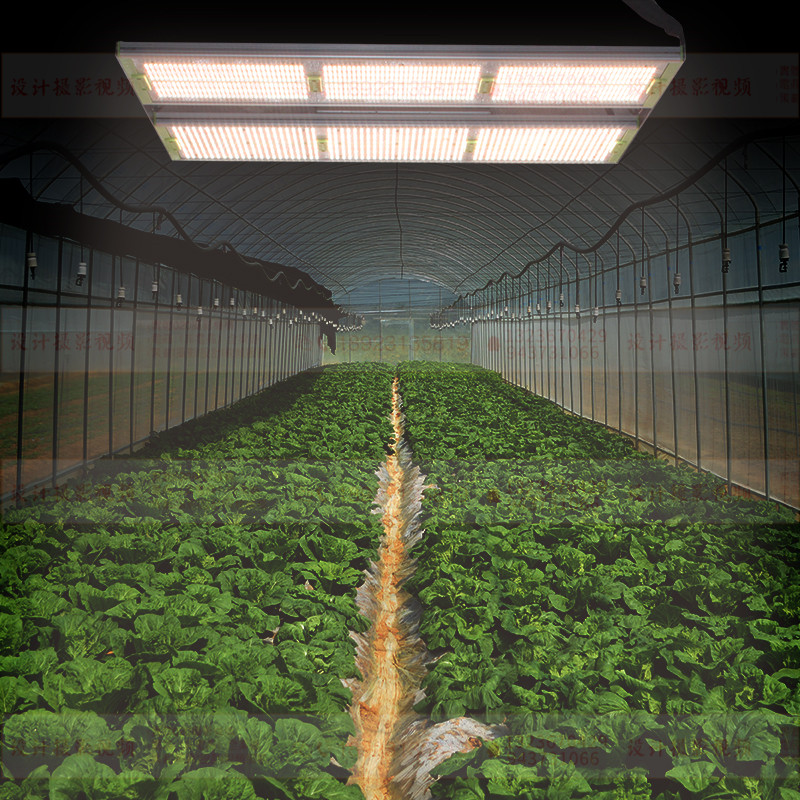
Overcoming transit barriers, high humidity, and structural grid risks in the Democratic Republic of the Congo.
Shipping delicate electronic goods into the DRC requires specialized packing methods and mechanical reinforcement. Our logistics division packages grow lights in custom impact-resistant, moisture-resistant materials designed to survive ocean transport to the Port of Matadi or air freight connections via N'djili International Airport in Kinshasa.
To address voltage instabilities common in rural grids and municipal systems throughout Goma and Katanga, we package our grow light series with wide-range input drivers (90-305VAC) capable of surviving sudden line surges, voltage drops, and localized brownouts. Our systems incorporate thermal shutdown protections and automatic reset protocols to prevent driver degradation during grid fluctuations.
Guaranteed operation under high condensation and overhead irrigation systems.
Select from our extensive portfolio of high-efficiency commercial fixtures, modular chips, and smart controllers.
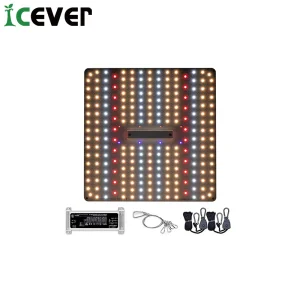
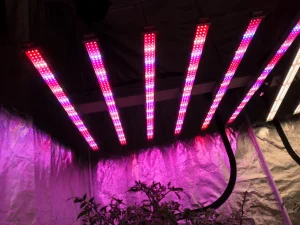
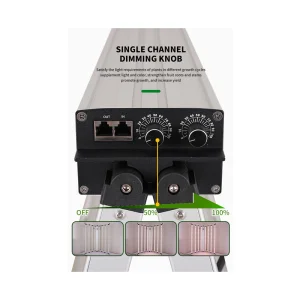
Essential insights for growers, sourcing managers, and distributors evaluating UV/IR grow lights for import into the Democratic Republic of the Congo.
UV and IR serve distinct physiological functions and are required during different phases of the crop life cycle. While Far-Red/IR is beneficial during vegetative elongation and structural initiation in flowering, UV-B/UV-A is primarily used during the late stages of flowering to stimulate protective secondary metabolites (such as cannabinoids, terpenes, and antioxidants) and to manage fungal pathogens. Separating them via dimming channels prevents unnecessary plant stress and optimizes overall power usage.
Our commercial grow lights utilize premium wide-voltage industrial drivers (typically 90-305V or 480V systems). These drivers incorporate internal surge protection circuits (up to 6kV or 10kV depending on specification) and under-voltage protection. When a voltage sag occurs, the driver maintains constant current output to protect the LED chips, automatically restarting once the line stabilizes.
Yes, because of their high luminous efficacy (up to 2.8 µmol/J or higher) and power-factor correction (>0.95), our LED grow lights are highly compatible with off-grid solar inverters. For solar arrays, we recommend using our dimmable series (0-10V or PWM dimming) so you can reduce power consumption dynamically during low-insolation days or periods with low battery reserves.
Tropical humidity accelerates rust, driver short-circuits, and sulfur corrosion. Our lights are designed with IP65 ingress protection ratings, utilizing conformal coatings on PCB boards, sealed driver enclosures, and waterproof industrial cable joiners. The structural housings are constructed from anodized, corrosion-resistant aircraft-grade aluminum, which resists degradation in wet tropical environments.
Jiangxi Enova products are fully certified with CE, RoHS, FCC, and SAA certifications. We compile all international test reports and certificates to facilitate smooth customs clearance through the OCC (Office Congolais de Contrôle) and local customs inspection systems at ports of entry.
Our full-spectrum white and red LEDs maintain an L90 lifespan exceeding 54,000 hours. Because UV and IR chips naturally decay faster than standard blue/red/white phosphor LEDs due to higher energy photons, we use specialized quartz lenses on our UV LEDs and premium substrate packages on our IR LEDs, securing an operational lifespan that meets commercial expectations.
Yes. As a primary manufacturer with automated SMT production capabilities, we can adjust the ratio of Red, Blue, UV-A, UV-B, and Far-Red chips based on your target crop (e.g., leafy greens, medicinal plants, flowers). We also offer customized branding, logo printing, and local voltage configuration for bulk commercial orders.
We provide a standard 3 to 5-year warranty on our commercial grow light series. If a driver or light bar fails, we provide modular replacement components and replacement instructions to minimize farm downtime. For large-scale projects, we include spare parts (drivers, light bars, connection cables) with the initial shipment to ensure immediate replacement capabilities.
Connect directly with our engineering division in Jiangxi, China. We offer customized design services, spectrum adjustments, and high-efficiency packaging for commercial farms in the Democratic Republic of the Congo.
Send Inquiry Now Enova Lighting