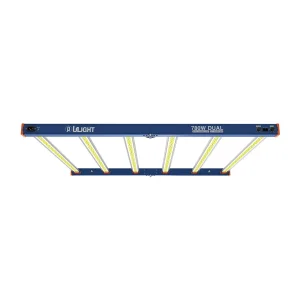
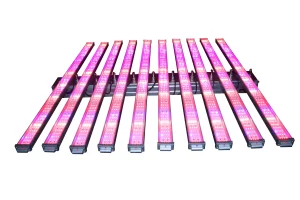
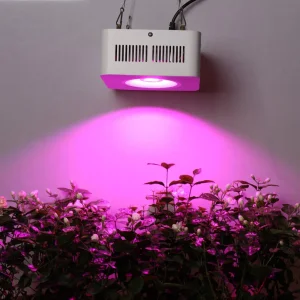
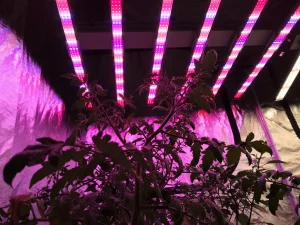
Deploying premium optoelectronic structures to deliver optimized micromoles ($PPF$) per watt. Here is our direct-from-factory catalog tailored for commercial greenhouse architectures and multi-tier indoor vertical farming operations.
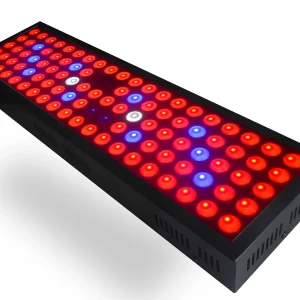
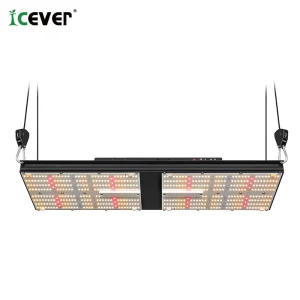
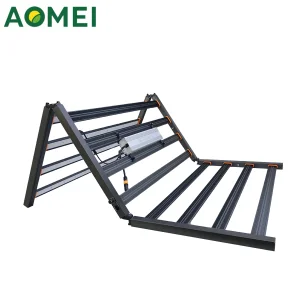
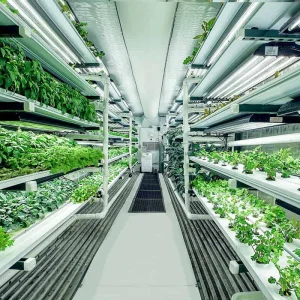
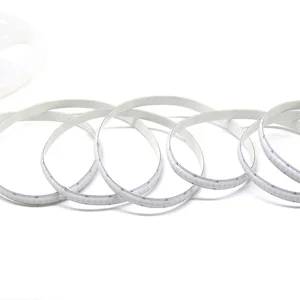
The worldwide demand for high-efficacy, full-spectrum LED lighting is experiencing unprecedented growth. Driven by the expansion of Controlled Environment Agriculture (CEA), evolving carbon emissions mandates, and the transformation of commercial smart buildings, old legacy light sources like High-Pressure Sodium (HPS) and Metal Halide (MH) are rapidly phasing out.
Large-scale commercial growers in North America, Europe, and Asia-Pacific require precision spectroradiometric outputs. Transitioning from basic red/blue spectrums to broad-band sunlight-mimicking wavelengths (400-700nm, extending to 750nm for ePAR) is crucial. Research reveals that incorporating specific ratios of Ultraviolet (UV) and Far-Red (IR) wavelengths triggers photomorphogenic pathways, producing higher cannabinoid concentrations in medicinal herbs and superior terpene profiles in high-value floriculture.
Industrial lighting accounts for a massive chunk of commercial operational costs. Industrial plant growers face stringent grid restrictions and demand higher PPE (Photosynthetic Photon Efficacy) levels. Modern solutions must deliver at least 2.7 μmol/J to 3.2 μmol/J of electrical input. This optimization mitigates localized grid constraints while enabling regional rebate qualifications (such as the DLC Premium in North America).
Founded in 2005, Jiangxi Enova Lighting Co., Ltd. has established itself as a premier global manufacturer, integrating optoelectronic research and development, smart manufacturing, and comprehensive distribution channels. We deliver highly reliable LED components, intelligent drivers, and specialized light fixtures engineered to perform in rigorous industrial, commercial, and CEA environments.
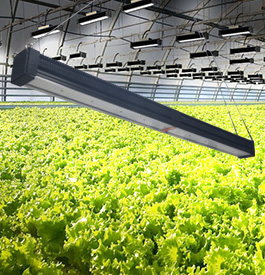
Our scalable manufacturing processes ensure that large-scale distributors and project managers receive prompt delivery without compromising structural or optical quality:
We engineer advanced SMD (Surface Mount Device) and COB (Chip on Board) LED arrays. With a monthly production output of 15 million units, we fulfill strict specifications for spectral consistency, high CRI, and micro-watt thermal management.
Engineered with high power factor correction (PFC) and ultra-low harmonic distortion (THD), our power supplies range from 8W to 40W, with specialized horticultural power units up to 1000W. Monthly capacity reaches 60,000 units.
Specializing in high-power LED Floodlights and industrial LED Streetlights, we design fixtures featuring heavy-duty anti-corrosion finishes. Our factory achieves a production rate of 100,000 units per month.
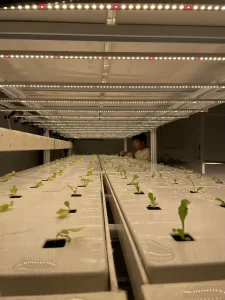
Designed explicitly for modern commercial greenhouses, vertical farming operations, and hydroponic systems. Supporting monthly capacity ranges between 300,000 and 500,000 units, meeting global shipping schedules seamlessly.
At Jiangxi Enova Lighting, quality control dictates every phase of production. All manufacturing operates under strict compliance with the ISO 9001 quality management system. Our fixtures are certified to international standards including CE and RoHS, while our LED drivers hold SAA certification for enhanced structural safety and electrical compliance.
We apply a hybrid manufacturing model to balance precision and flexibility: 70% of our assembly is automated using robotic component positioning and precision soldering, while 30% is handled by skilled technicians. This ensures we can quickly customize layouts for OEM/ODM orders while keeping core defects close to zero.
Modern commercial farming relies on precise light wavelengths rather than general brightness. Our R&D division, which receives 15% of our annual revenue, focuses on developing advanced spectrum profiles tailored to specific plant growth phases.
Sufficient blue light stimulates strong vegetative growth and keeps plant nodes tight. Incorporating broad-spectrum green light enhances human visibility while penetrating dense plant canopies, stimulating deeper leaf layers to increase overall photosynthesis.
Phytochromes respond intensely to the ratio of red to far-red light. Combining 660nm and 730nm wavelengths triggers the Emerson enhancement effect, accelerating the transition to flowering and increasing harvest weights in commercial greenhouses.
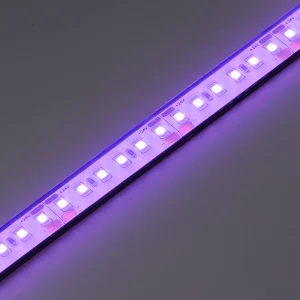
Targeted ultraviolet radiation acts as a mild stressor, prompting plants to produce protective compounds. This increases essential oil levels, THC/CBD content, and intensifies coloration in leafy greens.
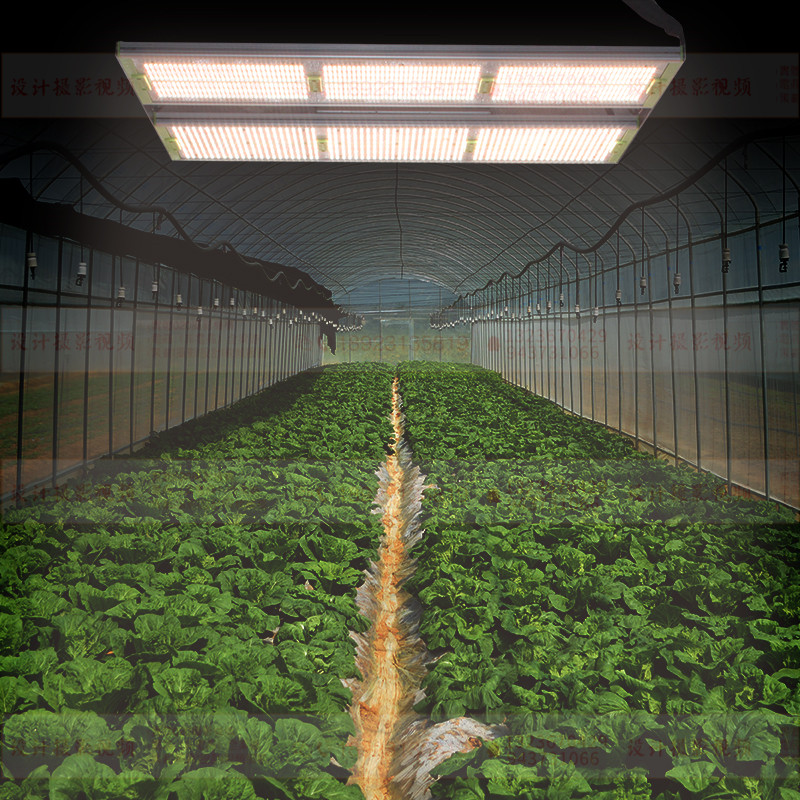
We deliver complete industrial configurations optimized for regional environment, crop type, and building design:
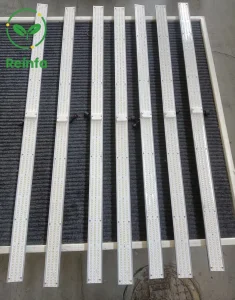
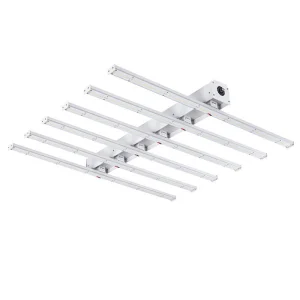
Engineered for high light-transmittance settings, our slim-profile fixtures deliver supplemental PPFD without casting shadows. Built to withstand high humidity and liquid-chemical spraying (IP66 rated).
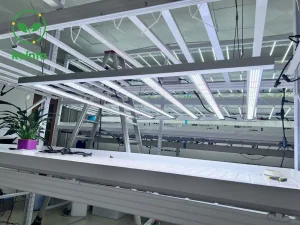
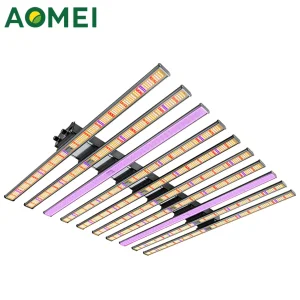
Low-heat, close-proximity bar fixtures designed to optimize shelf spacing. Integrated with smart daisy-chain networks for automated control of irrigation and lighting schedules.
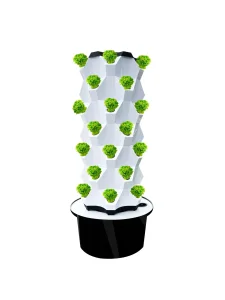
Mobile vertical farms housed in 40HQ containers. Pre-configured with full-spectrum fixtures, nutrient dosing systems, and environmental controls for reliable year-round production in any climate.
Explore answers to common questions about spectrum science, electrical efficiency, and system setup in modern indoor farming.
High-efficacy fixtures engineered for modern vertical farms, greenhouse supplements, and commercial indoor operations.
 Enova Lighting