Deploying solid-state lighting system architectures tailored for optimized photosynthetic photon flux density (PPFD) in hot and dusty zones.
Malakal, strategically positioned along the navigable corridors of the White Nile, serves as a vital economic hub within South Sudan's Upper Nile region. Historically, local food supply chains have remained highly vulnerable to climate shocks, seasonal flooding, and regional logistical disruptions. Consequently, conventional open-field agriculture struggles to consistently meet the nutritional demands of the local population.
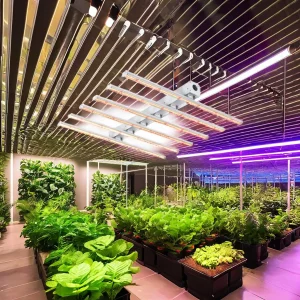
In response, non-governmental organizations (NGOs), development agencies, and private agritech entrepreneurs are actively turning to Controlled Environment Agriculture (CEA). Integrating hydroponic farming systems allows operators in Malakal to insulate crop cycles from soil-borne pathogens, torrential rain cycles, and localized drought. However, establishing stable greenhouse or indoor agricultural infrastructures in this region demands equipment built to handle high-ambient temperatures, significant particulate matter (dust), and inconsistent regional power grids. Specifying agricultural lights requires a deep understanding of driver thermal capacities and dust-tight IP (Ingress Protection) structural designs.
When deploying horticultural LED systems in environments like Malakal, generic consumer-grade grow lights inevitably fail. Rapid thermal degradation, voltage sag, and moisture penetration shorten the operational lifespan of substandard systems. Professional agronomists prioritize parameters that guarantee high Photosynthetic Photon Efficacy (PPE) alongside component survival:
Maximizing micromoles of light output per watt of input electrical energy. High efficacy directly translates to reduced heat generation and minimized energy draw—a critical factor for off-grid hybrid-solar microgrids.
High ambient temperatures necessitate passive cooling structures made of high-grade 6063 aluminum. Thick extrusion profiles and optimized heat sinks eliminate the need for mechanical cooling fans, which are prone to dust lockups.
LED drivers must support wide input voltage ranges (e.g., 90-305VAC) to survive voltage spikes caused by diesel generators or solar fluctuations, matching SAA, CE, and UL engineering criteria.
Globally, CEA is shifting toward custom-tailored spectrums. Modern installations do not rely solely on simple red/blue lighting; they require full-spectrum solutions integrated with Far-Red (730nm) and Ultraviolet (UV) wavelengths. Far-red initiates the shade avoidance response, accelerating biomass accumulation, while UV wavelengths stimulate secondary metabolite production, improving crop quality, taste, and resilience.
Founded in 2005, Jiangxi Enova Lighting Co., Ltd. has established itself as an authoritative manufacturer and exporter of horticultural and industrial lighting systems. With a strong commitment to quality control and continuous R&D investment, we supply high-performance solutions designed to operate under challenging environment conditions, including those in the Malakal market.
Our manufacturing facility operates under the ISO 9001:2015 quality management standard. Most of our commercial grow lights are CE and RoHS certified, while our custom drivers carry SAA approval, ensuring long-term safety, efficiency, and compliance.
International buyers, NGO procurement leads, and agricultural developers need consistent and reliable partners. Sourcing grow lights for remote regions like Malakal requires addressing complex logistics and challenging import processes. Our global export team manages compliance documentation, high-protection maritime packaging, and optimized shipping routes to ensure your equipment arrives intact and on time.
Our logistics and customization services are tailored for the South Sudan market:
Partner with Jiangxi Enova Lighting for engineered OEM/ODM horticultural systems built for challenging environments.
Send Inquiry NowIn regions where grid access is limited or unstable, indoor vertical farms must integrate with solar photovoltaic (PV) setups and battery storage. To make this setup economically viable, grow lights must operate at peak efficiency. Highly efficient LED chips convert more electricity into photosynthetically active radiation (PAR) rather than waste heat, which reduces both the farm's power demands and cooling costs.
Jiangxi Enova's engineering team works closely with microgrid developers to configure lighting zones that optimize daily light integrals (DLI) without overloading power stations. Using step-dimming protocols and automated timing cycles, we help growers match lighting schedules with peak solar generation times. This approach lowers operating costs and extends battery life, supporting sustainable farming in South Sudan.
Looking ahead, agricultural technology is moving toward smart, automated growing environments. We are actively developing IoT-enabled grow lights that allow operators to remotely monitor and adjust light intensity and spectrum profiles via a mobile application or central control panel.
By integrating real-time sensor feedback for ambient humidity, temperature, and CO2 levels, our smart grow light systems adjust their output to maximize plant growth. Incorporating advanced spectral tuning options helps indoor farms optimize crop yields and quality across different growth stages, making local food production in the Malakal market more resilient and productive.
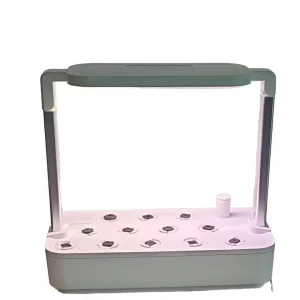
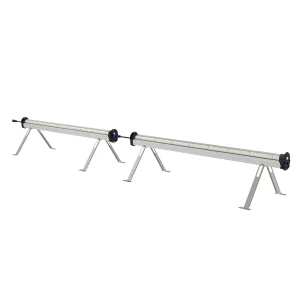
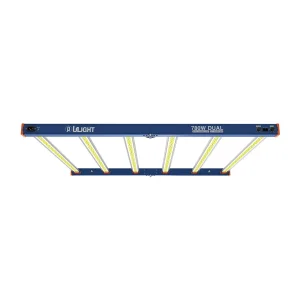
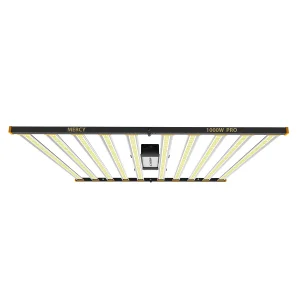
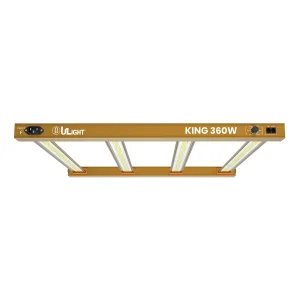
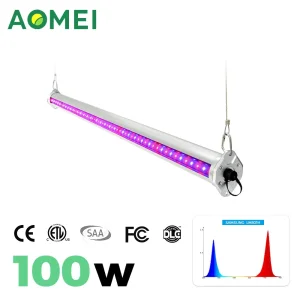
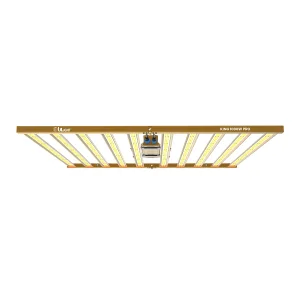
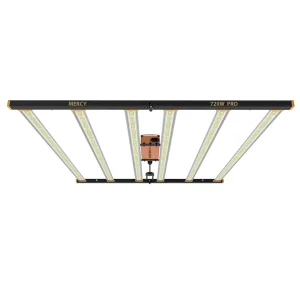
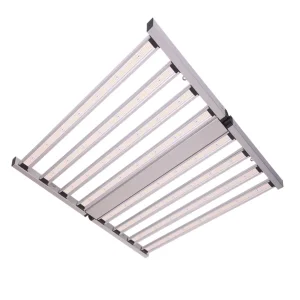
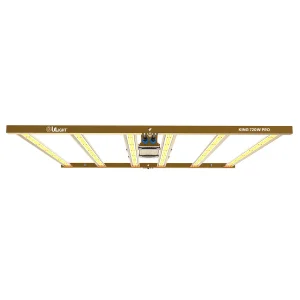
Browse our range of high-efficiency horticultural lighting systems, manufactured to strict quality standards for commercial farms and regional distribution.
Get answers to technical and logistical questions about importing commercial grow lights to Malakal and the wider East African region.
Looking for custom horticultural lighting systems? Contact our engineering team today.
Send Inquiry Now Enova Lighting