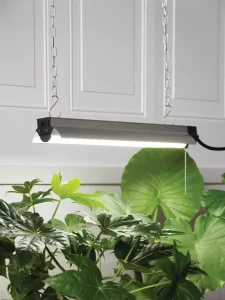
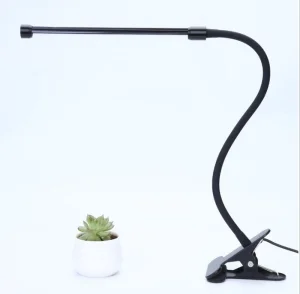
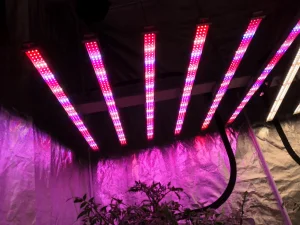
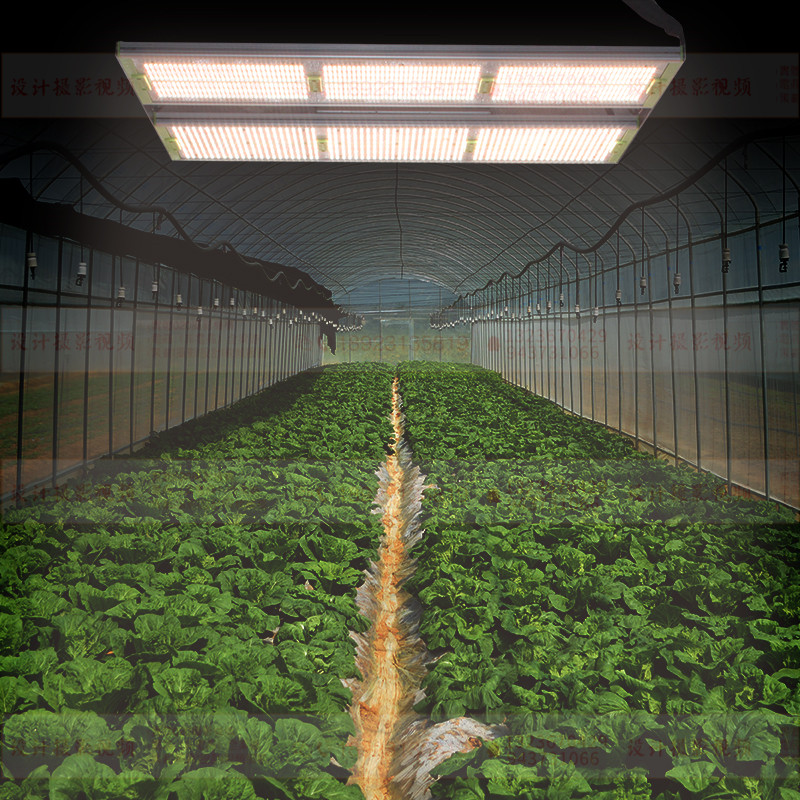
High-photon-efficacy commercial grow lights engineered for targeted secondary metabolite optimization, commercial greenhouse supplemental lighting, and vertical indoor farming.
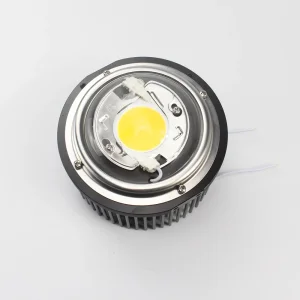
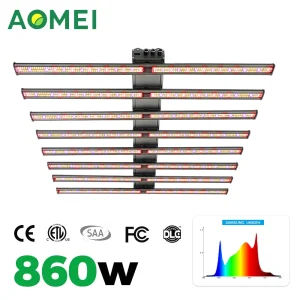
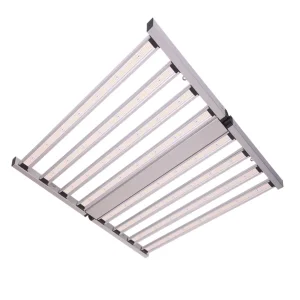
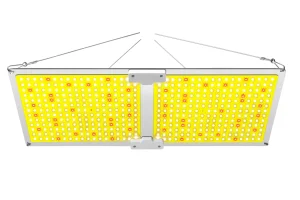
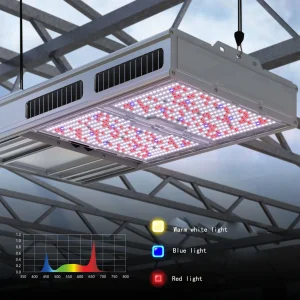
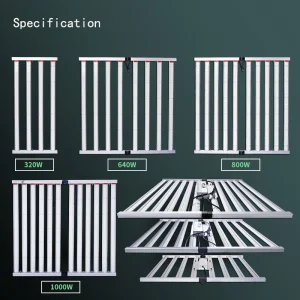
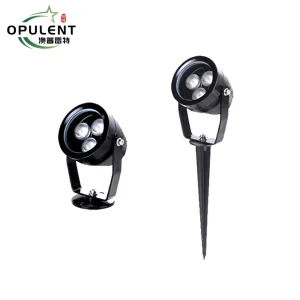
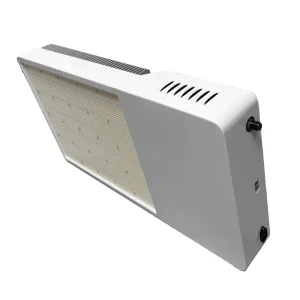
Analyzing the global transition from legacy High-Pressure Sodium (HPS) systems to targeted semi-conductor photon delivery in medicinal agriculture.
The global market for medicinal plant lighting exporters is experiencing an unprecedented structural transformation. Driven by legal reforms across North America, Europe, and parts of Asia-Pacific, commercial cultivators are moving rapidly away from inefficient Legacy High-Pressure Sodium (HPS) and Metal Halide (MH) luminaires toward solid-state LED architectures.
In modern commercial medicinal agriculture—encompassing pharmaceutical-grade Cannabis sativa L., Echinacea, Ginkgo biloba, and high-value secondary metabolite botanical crops—light is no longer viewed merely as an energy source for photosynthesis. Instead, leading horticultural engineers treat photon wavelength composition as a signaling mechanism that directly dictates metabolic pathways, terpene accumulation, cannabinoid concentrations, and flowering photoperiods.
Dual-channel and multi-spectrum dimming allowing dynamic manipulation of Red/Far-Red and UV-A/UV-B ratios during vegetative and generative phases.
High micro-mole output per joule (up to 2.7–3.1 µmol/J) cuts HVAC cooling operational expenditure by over 40% compared to traditional HID fixtures.
Rigorous ingress protection (IP54 to IP66) and safety certifications (UL8800, DLC 5.1, CE, SAA) ensuring long-term operational stability in high-humidity facilities.
How commercial buyers evaluate global suppliers based on E-E-A-T (Experience, Expertise, Authoritativeness, and Trustworthiness) standards.
When institutional agricultural enterprises select an exporter of medicinal plant lighting, capital expenditure (CAPEX) decisions are based on data-driven metrics. A supplier must demonstrate not only hardware efficiency, but complete manufacturing control, engineering depth, and certified safety compliance.
| Evaluation Criterion | Technical Benchmark | Commercial Impact | Jiangxi Enova Standard |
|---|---|---|---|
| Photon Efficacy (PPE) | ≥ 2.7 µmol/J (Up to 3.1 µmol/J) | Directly lowers kWh consumed per gram of dried flower yield. | Integrated Samsung LM301H EVO & CREE COB chips reaching optimal efficacy. |
| Driver Topology & Reliability | Class-2 Constant Current, PF > 0.98 | Prevents harmonic distortion, extends luminaire lifespan >50,000 hrs. | In-house driver manufacturing (8W–40W component chips & high-power arrays, SAA/CE). |
| Ingress Protection (IP Class) | IP54 to IP66 Rating | Resists ambient humidity, chemical fogging, and direct water spray. | Conformal coating on PCB boards with IP54–IP66 sealed aluminum housings. |
| Quality System Certification | ISO 9001, UL8800, DLC Premium | Qualifies commercial operators for utility energy rebates (North America/EU). | Fully certified ISO 9001 factory with CE, RoHS, DLC, and SAA approvals. |
| Production Scalability | >100,000 Units Monthly Capacity | Guarantees supply chain stability for large-scale multi-hectare rollouts. | 300,000–500,000 grow light units/month with 70% automation. |
Monochromatic red (660nm) and deep blue (450nm) spectrums alone are insufficient for full-cycle medicinal crop development. Modern commercial facilities mandate full-spectrum broad white coverage (3000K + 5000K) supplemented with 730nm Far-Red for End-Of-Day (EOD) responses and 385nm UV-A to trigger stress responses that stimulate resin and secondary metabolite production.
An objective market breakdown of the leading original equipment manufacturers (OEM) and technology exporters serving global commercial agriculture.
The global ecosystem of medicinal plant lighting exporters is anchored by specialized manufacturers capable of bridging semiconductor technology with horticultural biology. Below is an overview of the top 10 exporters driving innovation and volume in this sector:
Established in 2005, Jiangxi Enova Lighting represents the pinnacle of vertically integrated manufacturing. By producing its own LED components (SMD & COB up to 15 million units/month), LED drivers (60,000 units/month), and complete grow light fixtures (300,000–500,000 units/month), Enova delivers unparalleled cost control, quality assurance, and spectrum engineering. Holding National Hi-Tech Enterprise status since 2012, Enova reinvests 15% of annual revenues into R&D.
Recognized for its high-performance SPYDR and VYPR series, Fluence specializes in high-intensity lighting solutions for commercial vertical farms and greenhouses, backed by extensive scientific research collaboration with European universities.
A pioneer in lighting applications, Signify’s GreenPower LED modules dominate European greenhouse tomato and medicinal herb installations, offering customized lighting recipes managed via cloud software.
Historically famous for HPS fixtures, Gavita has successfully transitioned into high-output LED bar fixtures (e.g., Gavita Pro 1700e), providing robust hardware engineered specifically for commercial ceiling grids.
Focusing on digital spectrum control, California LightWorks manufactures programmable LED grow lights utilizing high-power OSRAM diodes tailored for indoor medicinal crop operations.
Known for premium European engineering, SANlight designs compact, highly modular LED luminaires with passive cooling and custom secondary optics for maximum light penetration.
Specializing in research-grade photobiological spectrums, Valoya’s wide-spectrum continuous LED light guides are widely utilized by agricultural research institutes and commercial plant medicine facilities worldwide.
A leader in intelligent lighting control systems, Heliospectra integrates sensory feedback and AI algorithms to adjust photon density dynamically in real time based on daylight availability.
Engineers of high-wattage single-fixture replacements for 1000W HPS systems, offering specialized multi-spectrum designs with high UV and IR spectrum density.
Widely recognized consumer and semi-commercial export brands offering accessible quantum board and bar-style grow light solutions to boutique growers and emerging markets.
How modern LED exporters maximize photosynthetic photon flux density (PPFD) and secondary metabolite yield.
In modern medicinal plant cultivation, light intensity (measured in micromoles per square meter per second, μmol/m²/s) must be balanced with spectral quality. Exporters who lead the industry utilize premium diodes such as the Samsung LM301H EVO and CREE CXB3590 COB configurations.
The LM301H EVO diode features a plant-centric photon spectrum, delivering efficacy up to 3.14 μmol/J. By emitting a spectrum centered at 435nm rather than standard 450nm blue, it enhances chlorophyll absorption and preserves plant structural integrity without causing light bleaching.
CREE CXB3590 3500K COBs provide extreme canopy penetration. The concentrated optical density forces photons deep into dense foliage, ensuring lower canopy buds mature evenly alongside top colas.
Integrating supplementary 385nm UV-A and 730nm Far-Red channels enables commercial growers to trigger targeted photomorphogenic reactions, accelerating the transition into flowering and driving higher cannabinoid synthesis.
Empowering global horticulture through end-to-end industrial manufacturing, R&D innovation, and stringent quality control standards.
Jiangxi Enova Lighting Co., Ltd. was founded in 2005 and has grown into a leading enterprise in the lighting industry, integrating research and development, manufacturing, and international marketing. We pride ourselves on offering cutting-edge products designed for both commercial and industrial agricultural applications.
To ensure the highest product standards, we employ a hybrid manufacturing approach: 70% of production is automated with high-precision surface-mount technology (SMT) and robotics, while 30% is handled through skilled manual operation for delicate assembly and custom testing.
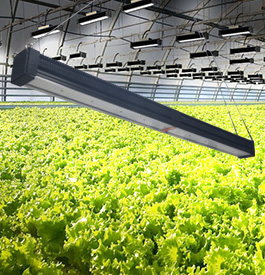
SMD (Surface Mount Device) and COB (Chip On Board) LEDs with a production capacity of 15 million units per month.
High-efficiency drivers ranging from 8W to 40W+ power outputs with monthly production capacity of 60,000 units.
100,000 units/month outdoor lighting & 300,000 to 500,000 units per month specialized LED Grow Lights.
Innovation is at the core of our success. In 2012, Enova received the prestigious National Hi-Tech Enterprise certification. Each year, we dedicate 15% of our revenue to new product development, introducing 6 to 8 new products annually. Our R&D efforts have led to numerous Design Patents and Utility Model Patents.
At Jiangxi Enova Lighting, we place a high priority on quality control. Certified under ISO 9001, our products strictly comply with international standards, holding CE, RoHS, and SAA certifications.
Navigating international electrical safety standards and regional agricultural requirements.
Commercial facilities in North America require dual 277V or 480V industrial grid compatibility. Enova LED Grow Light Drivers support high-voltage auto-sensing inputs to minimize copper wiring costs.
All exported grow light fixtures adhere to hazardous substance restrictions and electromagnetic compatibility (EMC) regulations, protecting greenhouse automation networks from interference.
Enova’s SAA-certified power supplies meet Australian and New Zealand safety protocols, enabling seamless commercial installation for southern hemisphere cultivation facilities.
Key questions answered by our Senior Horticultural Photobiologists and Engineering Leads.
During the vegetative phase, medicinal plants typically require 400–600 μmol/m²/s PPFD. During the flowering/generative stage, PPFD levels should be increased to 800–1200 μmol/m²/s. Under supplemental CO2 enrichment (1200–1500 ppm), high-efficacy lights can effectively utilize up to 1500 μmol/m²/s without photo-inhibition.
Suppliers like Jiangxi Enova Lighting that manufacture their own LED components (SMD/COB) and LED drivers can control quality, thermally match power supply to LED arrays, guarantee long-term component consistency, and eliminate middleman markups for commercial B2B buyers.
UV-A (385–400nm) light creates mild photomorphogenic stress in medicinal plants. In response, the plant triggers natural defense mechanisms, producing higher concentrations of trichomes, terpenes, and bioactive compounds to shield itself from UV exposure.
Commercial growers should require a minimum 5-year full warranty covering driver performance, LED lumen maintenance (L90 > 36,000 hours), and waterproofing seals. Enova offers standard 5-year warranties backed by ISO 9001 production logs.
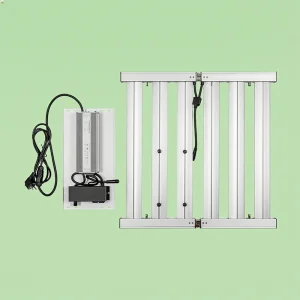
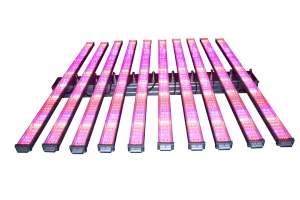
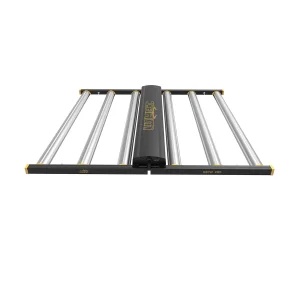
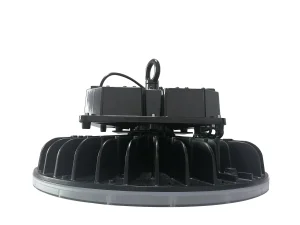
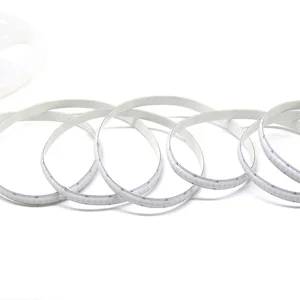
Complete high-power grow lights, quantum bar setups, dynamic controllers, and replacement fixtures for high-density commercial agriculture.
 Enova Lighting